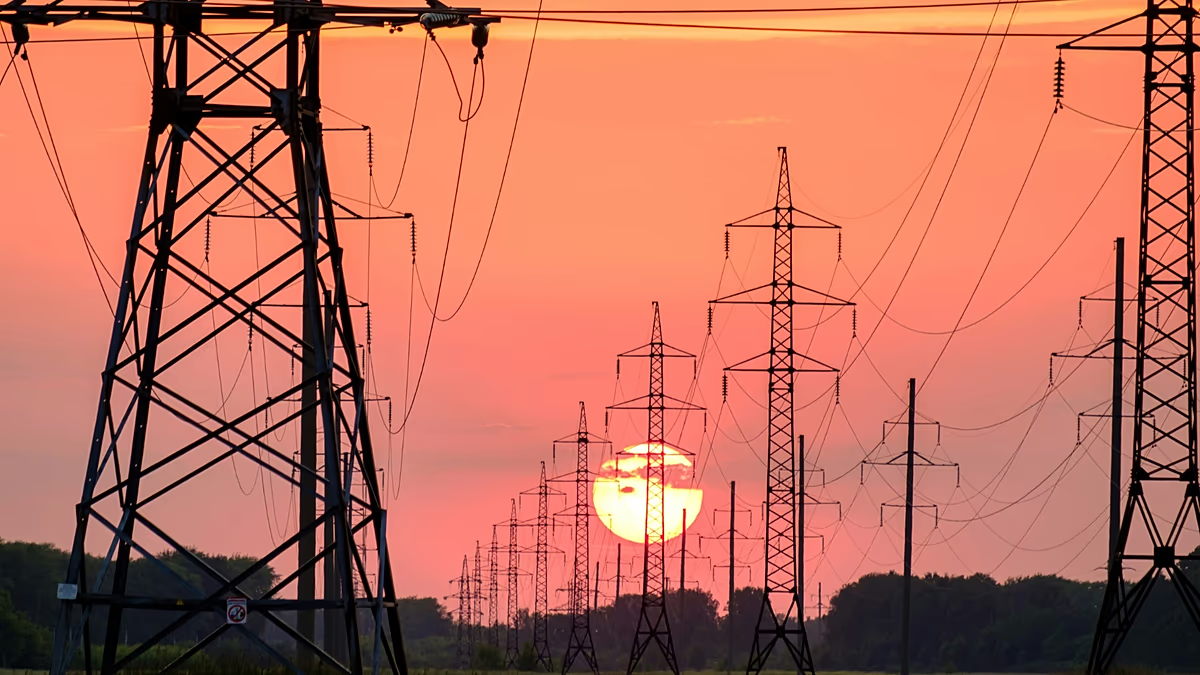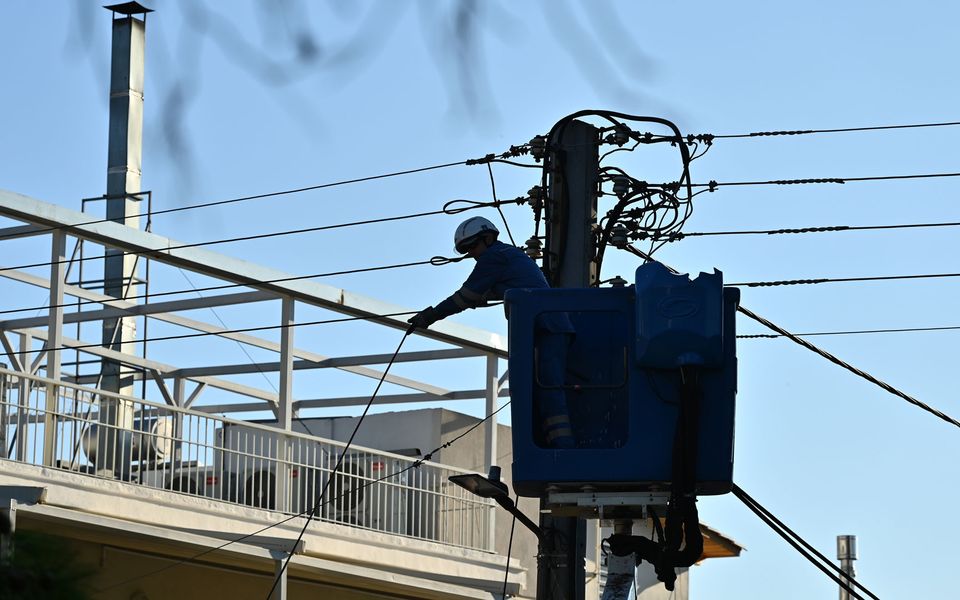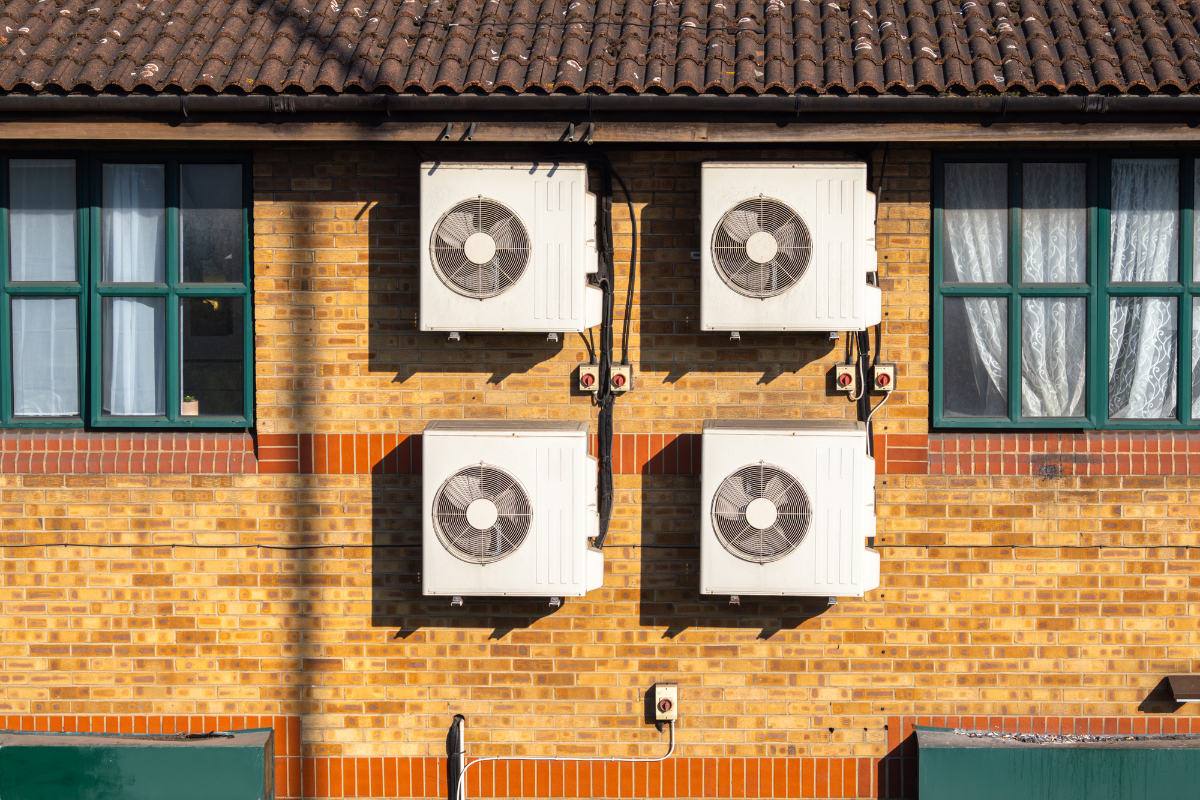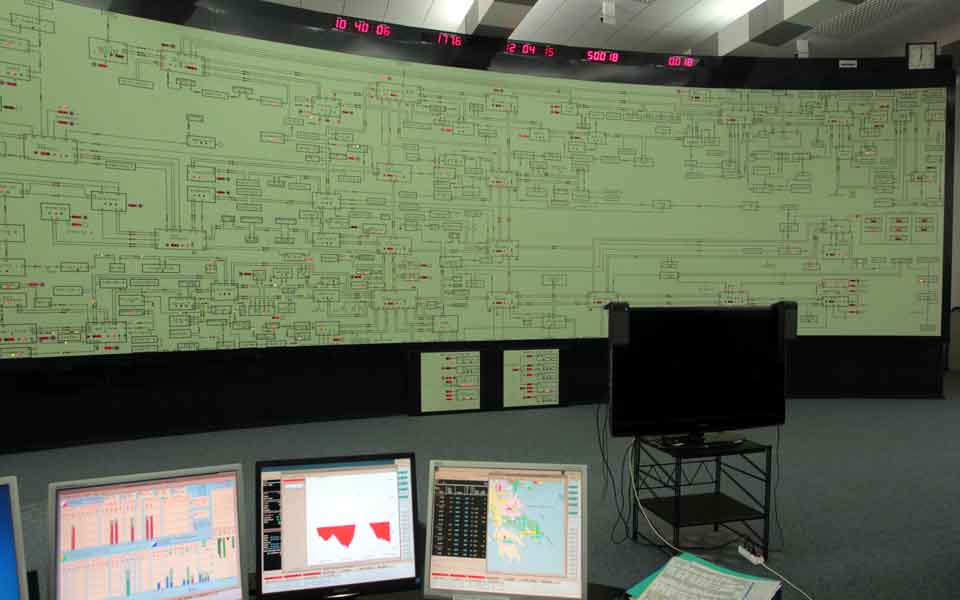
The temperature is rising and so is demand for electricity due to the widespread use of air conditioners, testing the limits of the country’s electrical system.
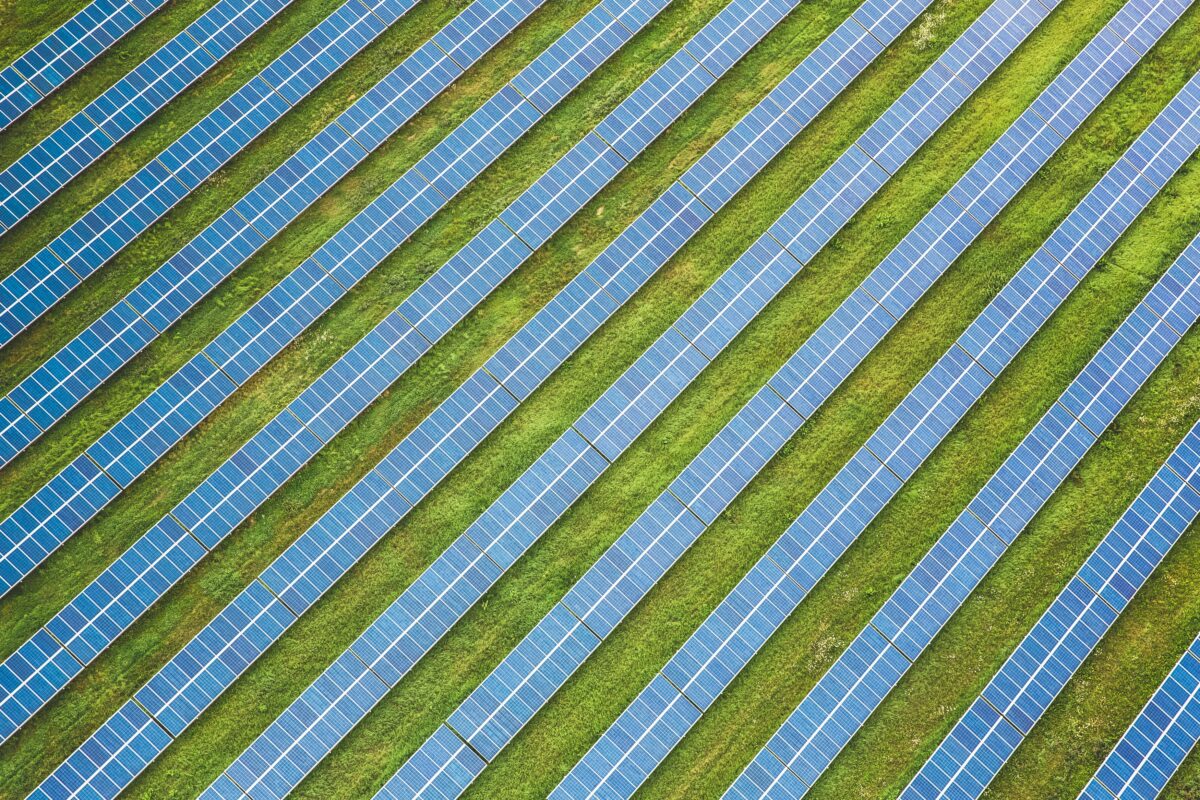
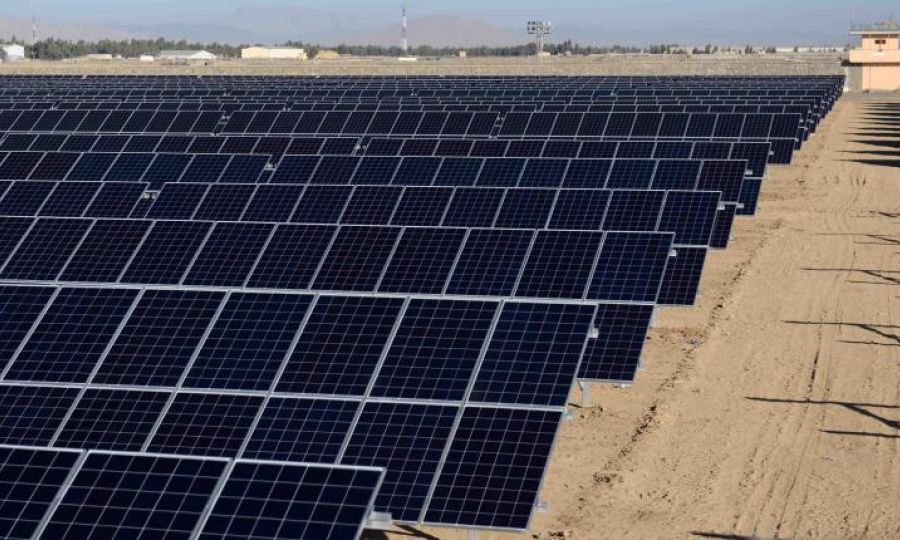
With the first light heat wave, demand from the lows of 6,000-6,500 megawatts rose from last week to 9,000 MW during peak hours, illustrating that despite the impressive development of renewables (over 18 GW), Greece still needs every available production technology to keep the lights on.
Since June 24, all available natural gas units have been mobilized, as well as PPC’s lignite unit, Ptolemaida 5, which operates at maximum capacity, especially in the evening hours. The only exception was last Sunday, when strong winds boosted the participation of RES in the energy mix to over 67%.
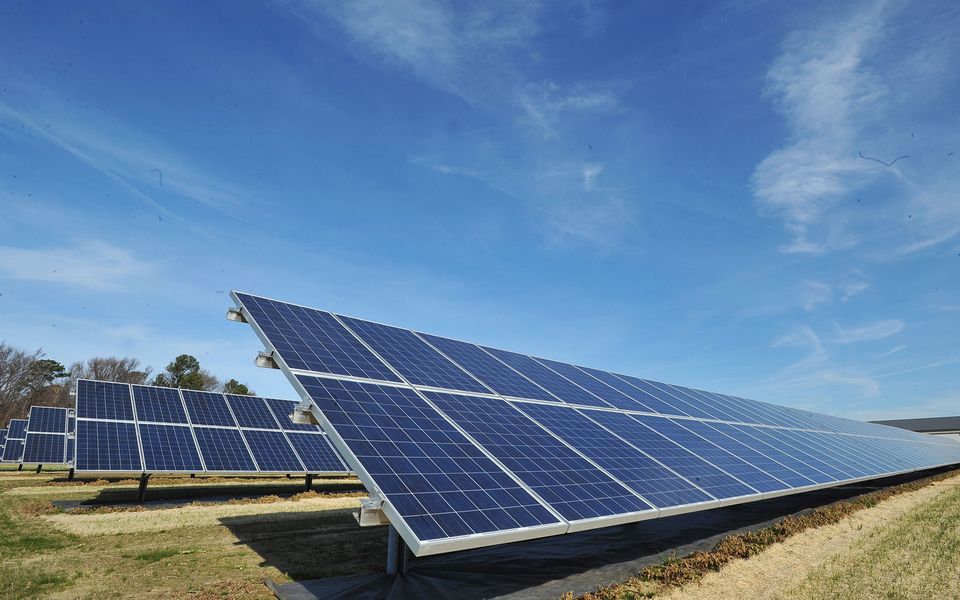
This highlights once again the great challenge of the energy transition. With the sun setting, photovoltaics are almost completely withdrawn from production, leaving wind to determine the balance of the system. When it is windy, the need to activate expensive thermal units is reduced. When the winds die down, the burden falls back on natural gas and lignite.
As the recent heat wave in Western Europe demonstrated, the reliability of electrical systems depends on reserves. In Greece, although the grid is already operating at almost all of its available production capacity, operator ADMIE appears reassuring: It estimates that even if demand reaches 10,000 MW, there is no doubt about power adequacy.