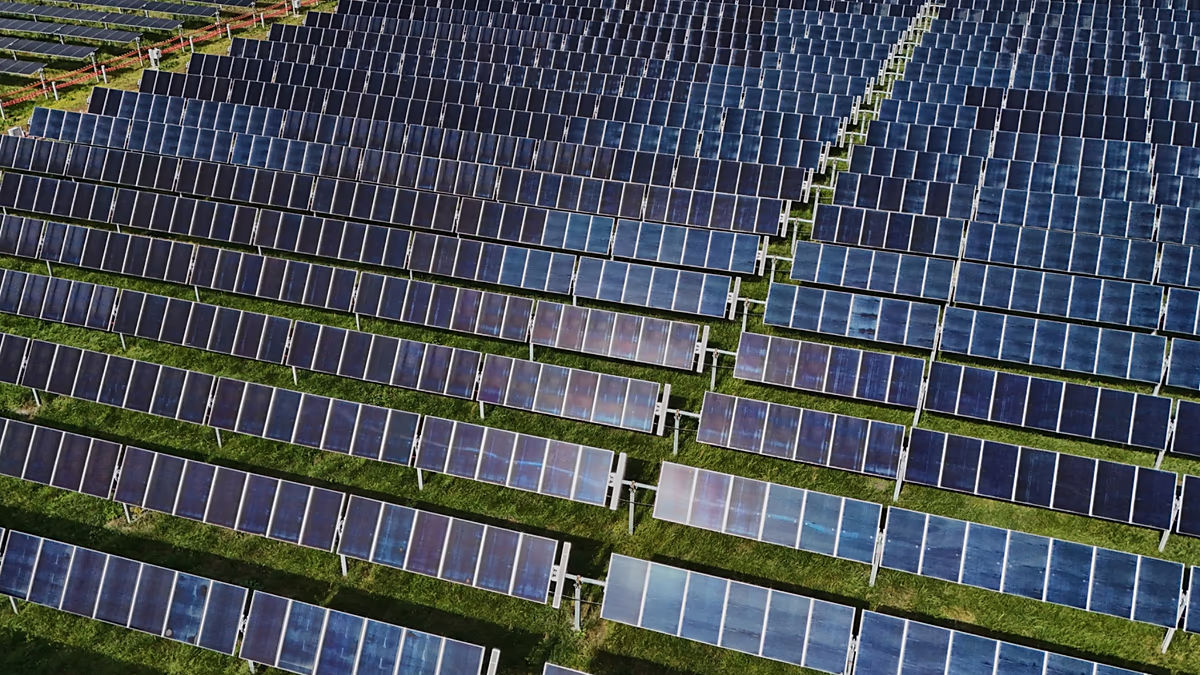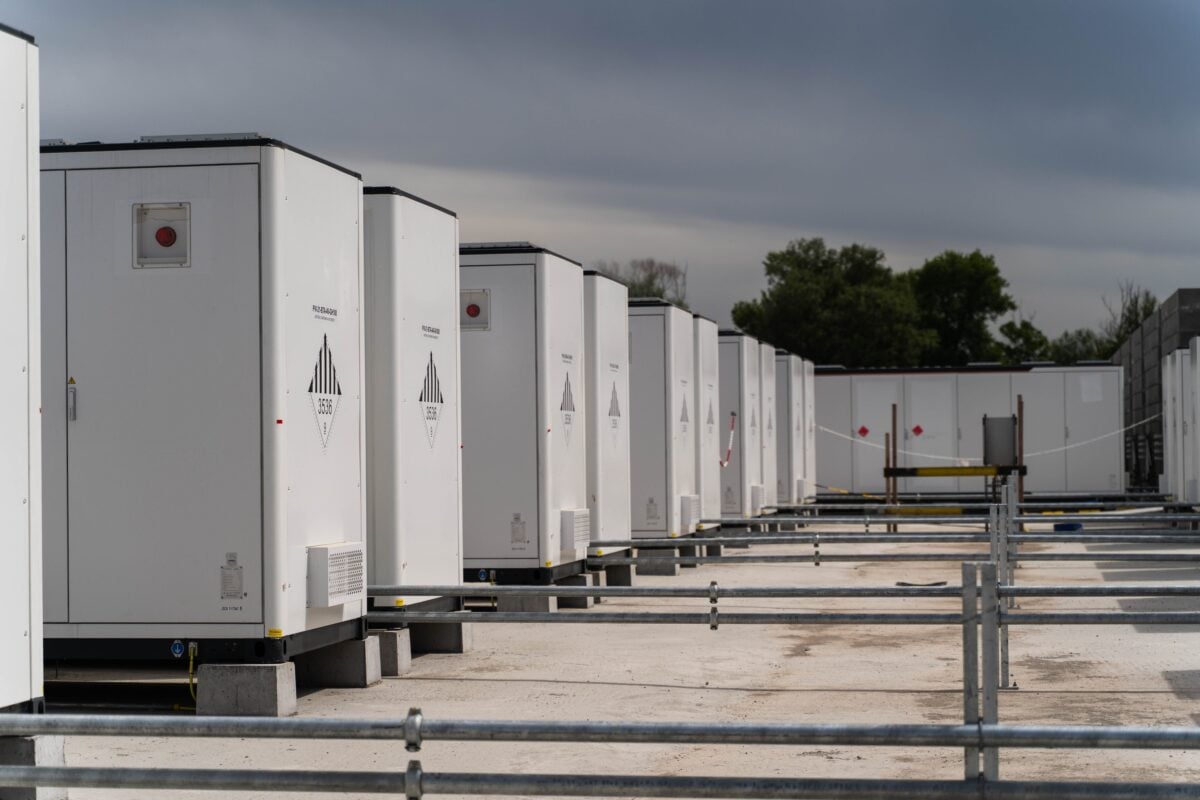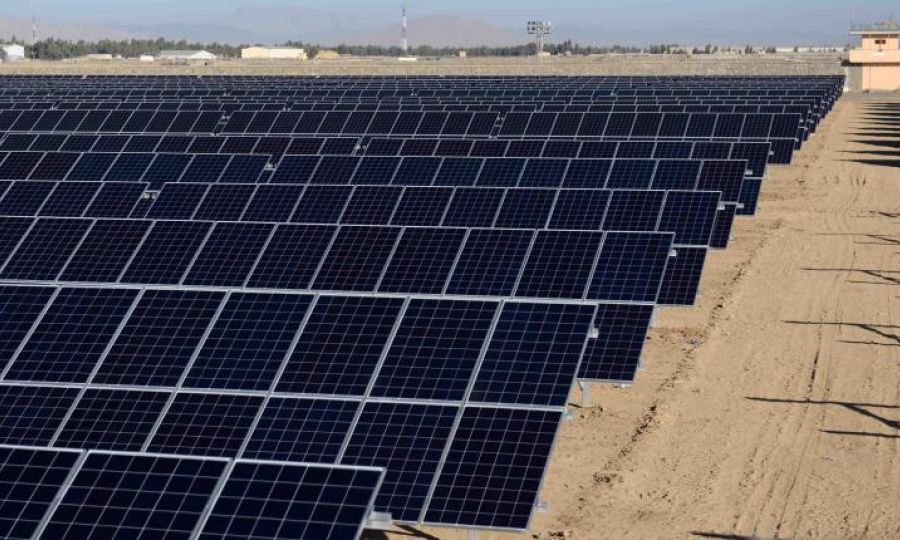
Greece produces 17GW of power from renewable energy sources (RES) but only has a capacity for 220MW in battery storage. This means that it exports cheap surplus power during some parts of the day and uses expensive power produced by natural gas-operated plants at night to cover its needs. And the result of this is that the electricity consumers pay for is a lot more expensive.
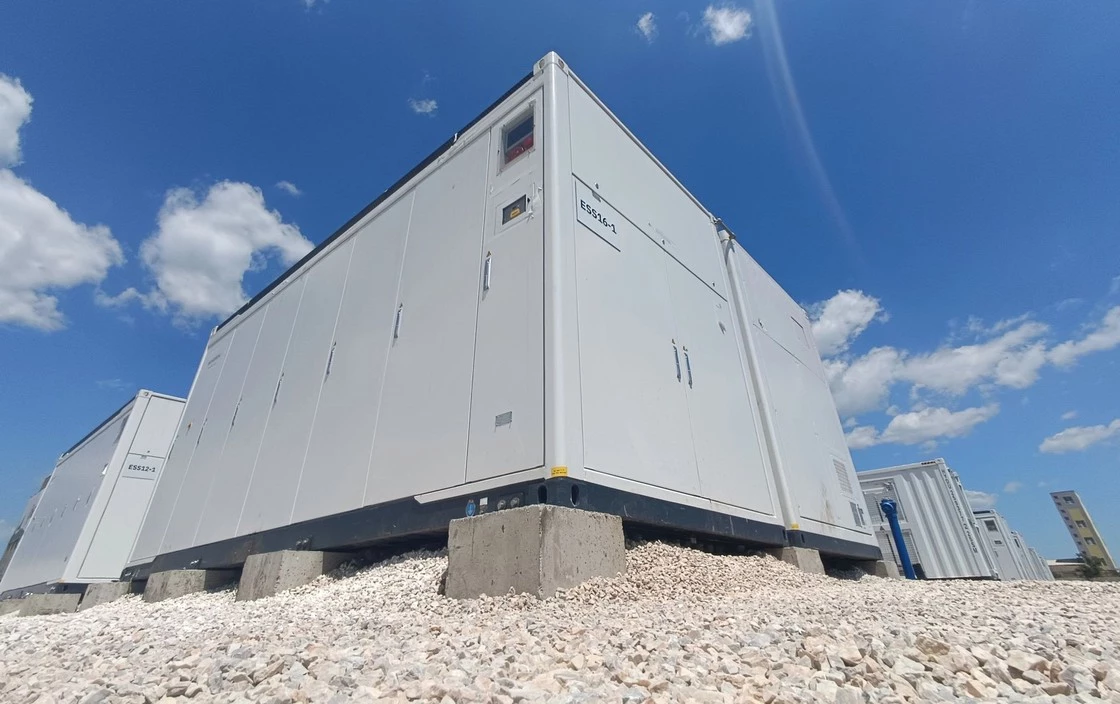
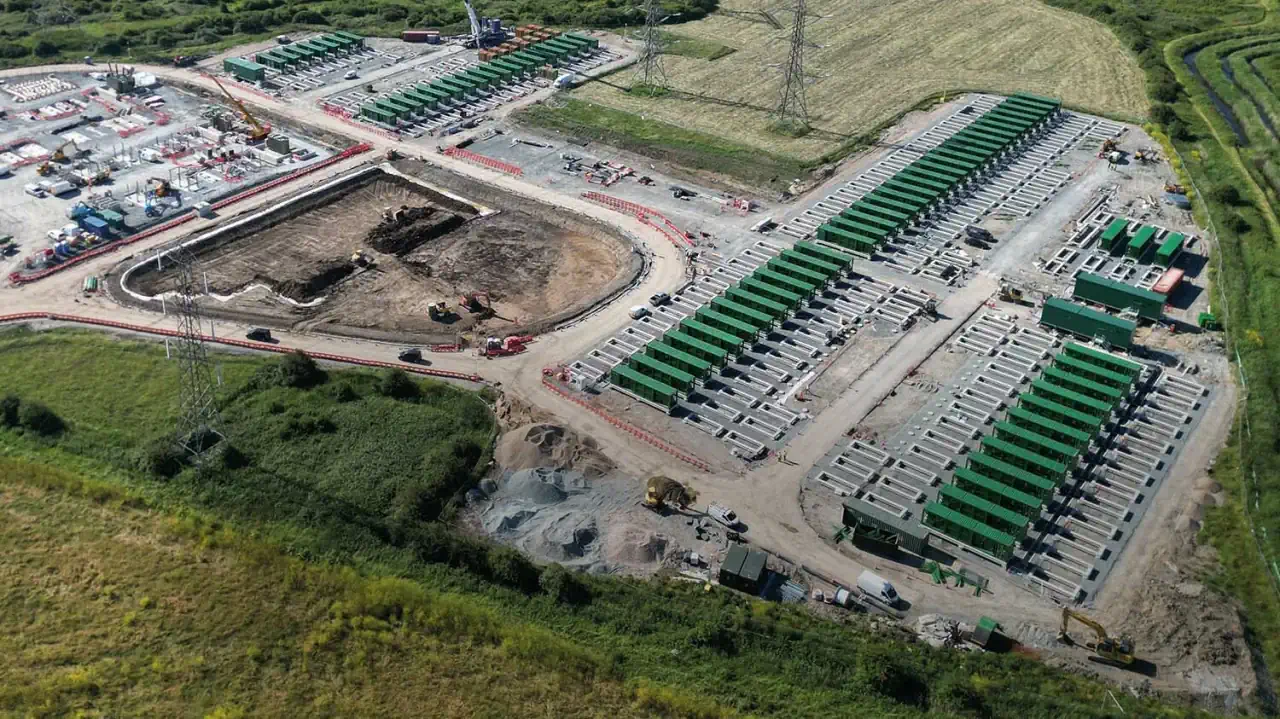
Bulgaria, in contrast, has battery installations capable of storing up to 3.5GW. It imports cheap Greek electricity and stores it so it’s available during the night, and at a very low cost. So, Greece’s cheap electricity is not being exploited by Greece itself, but by Bulgaria.
This paradox – as analyzed by Kathimerini’s Chrysa Liangou – would not be the case if Greece had some kind of plan to accelerate its progress in the area of battery storage. This way, alongside its impressive international performance in RES – ranking third globally in solar power production and ninth in wind power production – the country would also have the capacity to store the energy it produces. Instead, Greece stores just 2% of its RES output, as opposed to Italy with 14%, the UK with 13%, Finland and Ireland with 10% and the Netherlands and Germany with 8%.