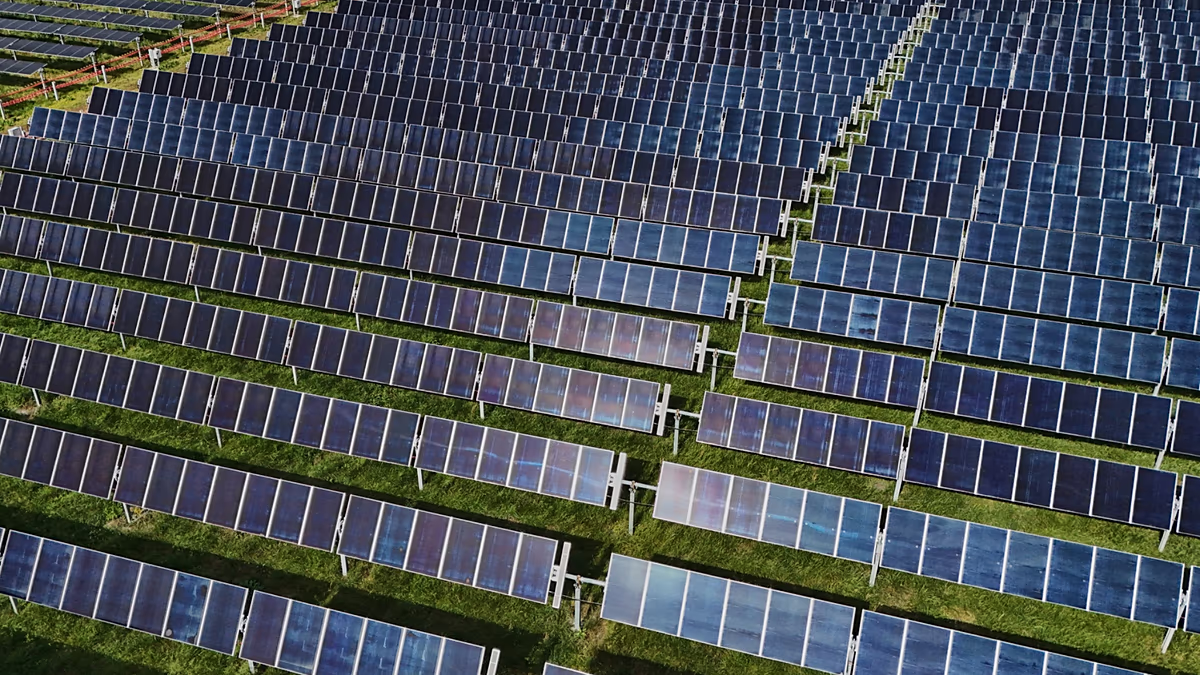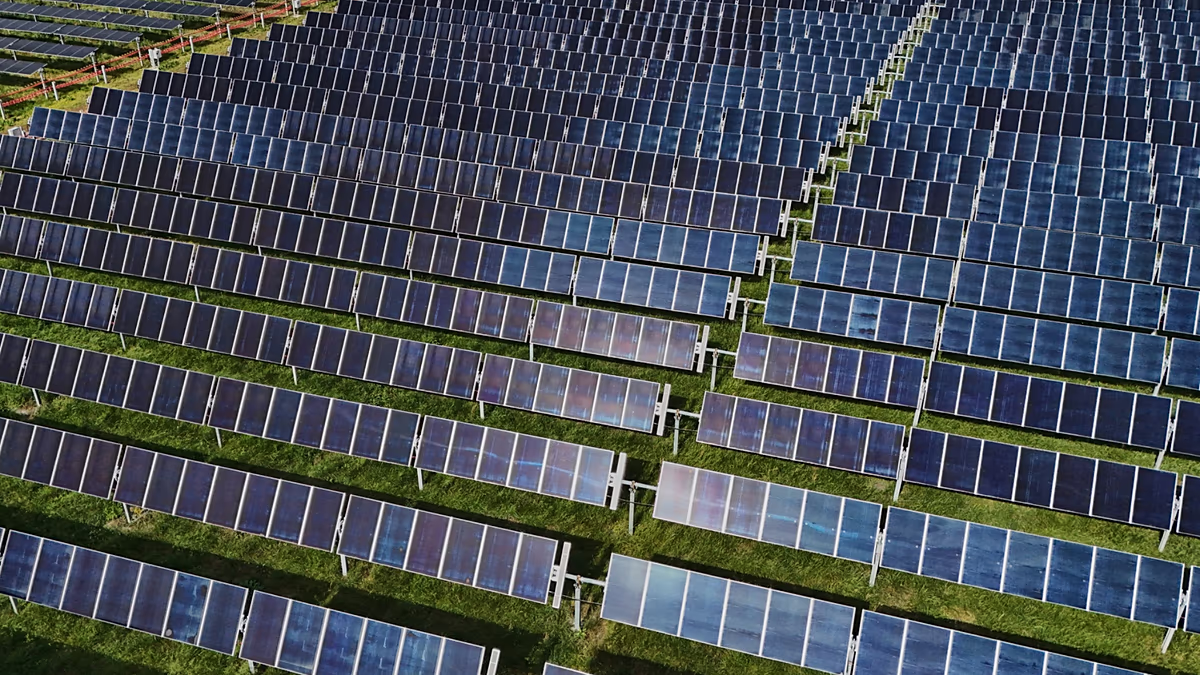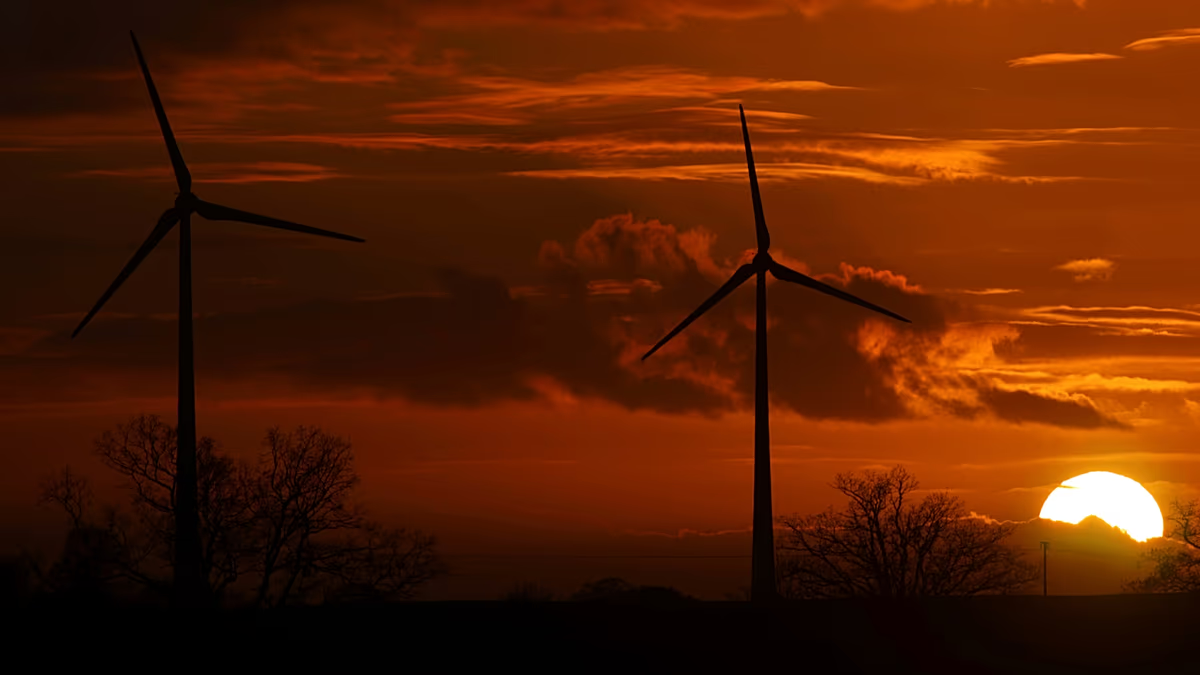
During the day, when the wind blows and the sun is shining, the amount of electricity available in Germany and some other European countries is often more than is needed.
But insufficient battery storage has made it impossible to store that energy for later use. Once the sun goes down, it's often left to natural gas power plants to pick up the slack.
That has to change if Germany wants to become climate neutral by 2045. Large-scale storage facilities for green power are essential to keeping electricity prices stable and making the transition to 100% renewable energy.
The European Union, which has set its own climate-neutral goal for 2050, currently generates around half of its electricity with renewable energy. Across Europe, existing storage facilities add up to a capacity of about 14 GW, according to data from the European Commission's Joint Research Centre.
In recent years, that expansion has accelerated dramatically: 84 GW of additional storage capacity, representing a sixfold increase, is currently in the planning or construction phases and expected to go online in the next few years.