After 80 days of conflict in the Middle East, Greece appears particularly vulnerable – given its high dependence on oil and natural gas imports and structural market problems – and risks paying the heaviest energy bill in Europe.
The impact is already strong on the Greek economy, which had the eurozone’s fifth highest inflation in April. This was primarily triggered by energy inflation, which stood at 21.9% and was the second highest in the eurozone, with energy prices in Greece growing on a monthly basis by 7.7%, the sixth highest rise in the euro area.
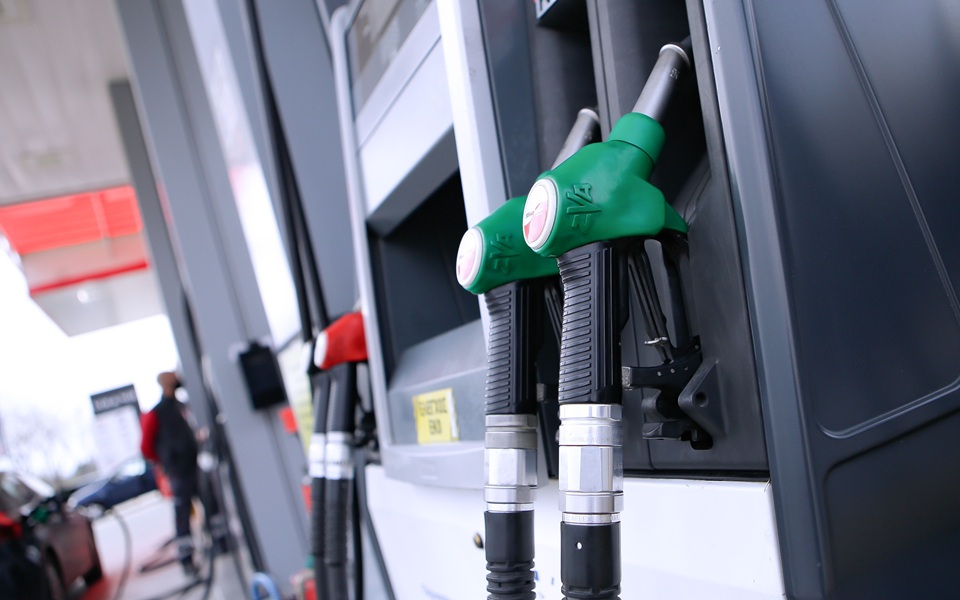
The average price of unleaded gasoline is consistently above €2 per liter and is the fourth most expensive in Europe, and diesel is above €1.80/l, while the elephant in the room as the country enters the summer season, is the electricity prices, which were kept at low levels thanks to low demand and high production by renewables (RES) in March and April.
Despite the high penetration of RES and their participation in the production mix of over 50%, imported natural gas continues to determine wholesale energy prices for 60-70% of the year.
Greece covers over 50% of its gas needs with LNG, with US gas representing over 80% in 2025, which is more expensive than the Russian gas it has replaced, and even more so for Greece: According to a report by international think tank IEEFA, Greece paid the highest average price for US LNG imports in 2025, at €38.70 per megawatt-hour, about 12% higher than the European average.