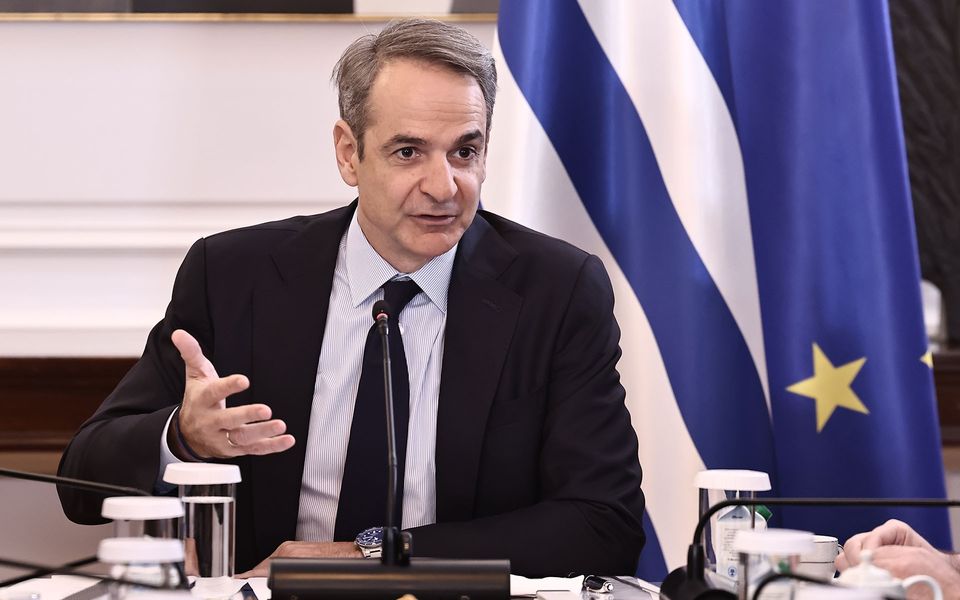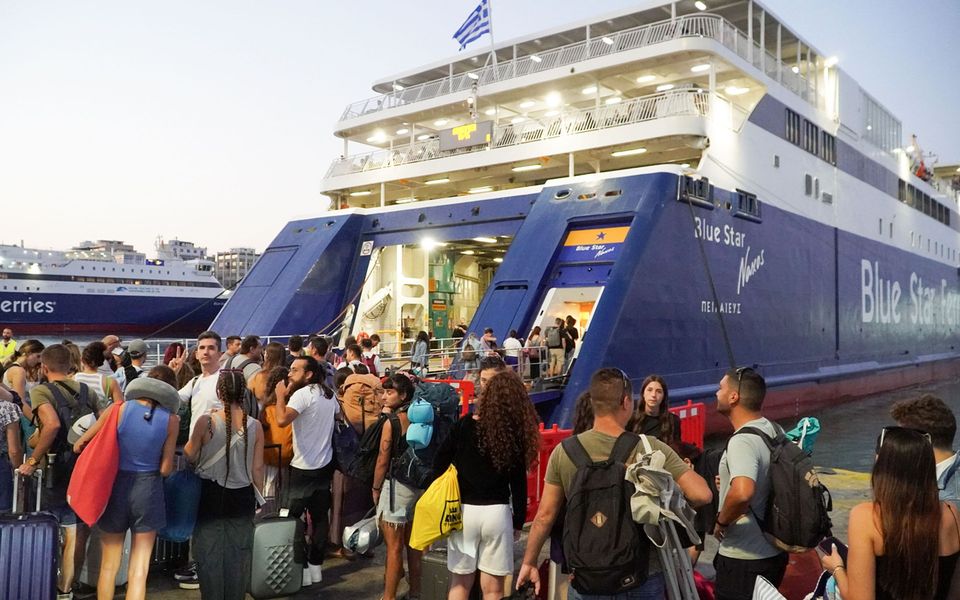
The Greek coastal shipping sector risks coming under significant pressure during the summer season if the high volatility in marine fuel prices persists, driven by the prolonged crisis in the Middle East and ongoing uncertainty in the Strait of Hormuz.Industry executives told Naftemporiki that the government’s decision to support the sector with 56 million euros to cover fuel costs—by subsidising mandatory discounts on ferry tickets for specific social groups (including persons with disabilities, students, and large families)—has provided only temporary liquidity relief to companies. However, the sharp increase in fuel costs is already absorbing most of this support, with market participants noting that the allocated amount is effectively sufficient only until the end of May.According to data compiled by Naftemporiki from ferry industry executives, the additional fuel cost in May alone amounted to approximately 22 million euros, while for the March–May period the total incremental cost is estimated at 61 million euros, based on consumption of around 130,000 tonnes of Marine Gas Oil (MGO).Under normal fuel price conditions, the ferry sector would have incurred approximately 82 million in fuel costs over the same three-month period.However, the surge in international prices due to developments in the Middle East is expected to raise total costs to approximately 143 million euros, placing a significant strain on operators’ financial performance. Market estimates indicate an additional monthly amount of around 28 million from June onwards, should fuel prices remain at current elevated levels.Industry executives also noted that the Ministry of Maritime Affairs should revise the fuel clause applied to lifeline ferry routes, which is currently annual, unlike the four-year concession routes where similar mechanisms have been introduced under certain conditions.At present, approximately 250 vessels operate across all domestic ferry routes and inter-island connections.Additional cost pressuresAn indicative example of the cost escalation is the price of MGO marine fuel used across the ferry fleet, which stood at 614 euros per tonne on February 15 and surged to 1,090 per tonne on May 13, marking an increase of over 77% in less than three months.Market participants warned that, in the absence of additional intervention from the relevant Ministries of Maritime Affairs and Finance, ferry operators may face an extremely challenging summer, as sustained high fuel prices increase the risk of partial cost pass-through to passengers via fare increases.Marine Gas Oil is a distillate, low-sulphur marine fuel widely used in the ferry sector, as it complies with strict environmental emissions regulations. It is a higher-cost fuel compared to traditional heavy marine fuels, but is considered essential for passenger shipping operations in emission-controlled areas such as the Mediterranean.It should be noted that the temporary EU State Aid framework (METSAF), recently announced by the European Commission, could be leveraged by the Greek government to alleviate operational cost pressures for ferry companies and prevent further fare increases for passengers.This European support mechanism was activated as part of measures addressing the impact of the Middle East crisis and the broader energy shock, allowing Member States to subsidise part of the increased energy costs for businesses and sectors directly affected by rising fuel prices.Within this framework, Member States may cover up to 70% of the additional fuel costs for sectors such as short-sea shipping within the EU, a category that includes Greek coastal shipping.
Fuel costs weigh heavily on Greek ferry operators
Industry executives told Naftemporiki that the government’s decision to support the sector with 56 million euros to cover fuel costs—by subsidising mandatory
573 words~3 min read