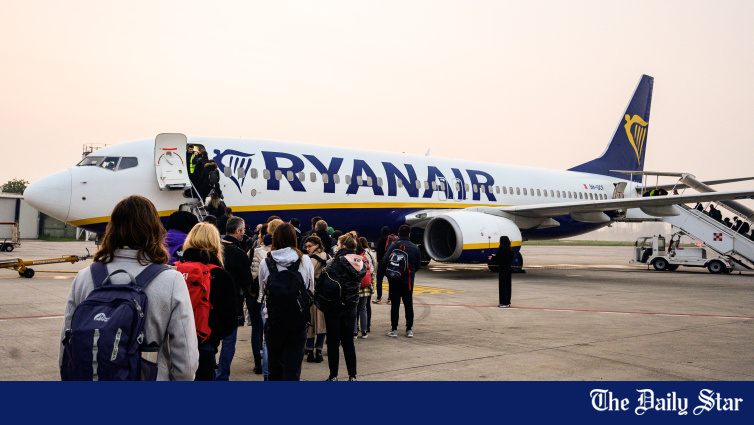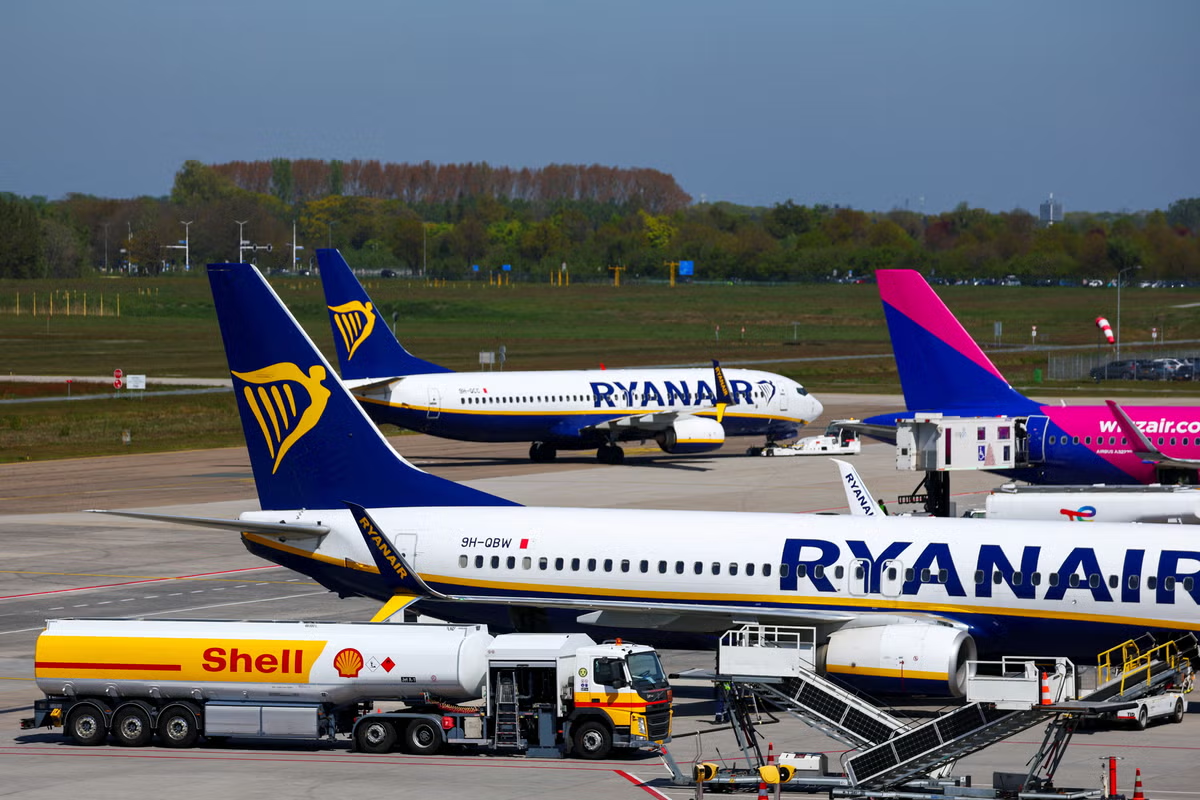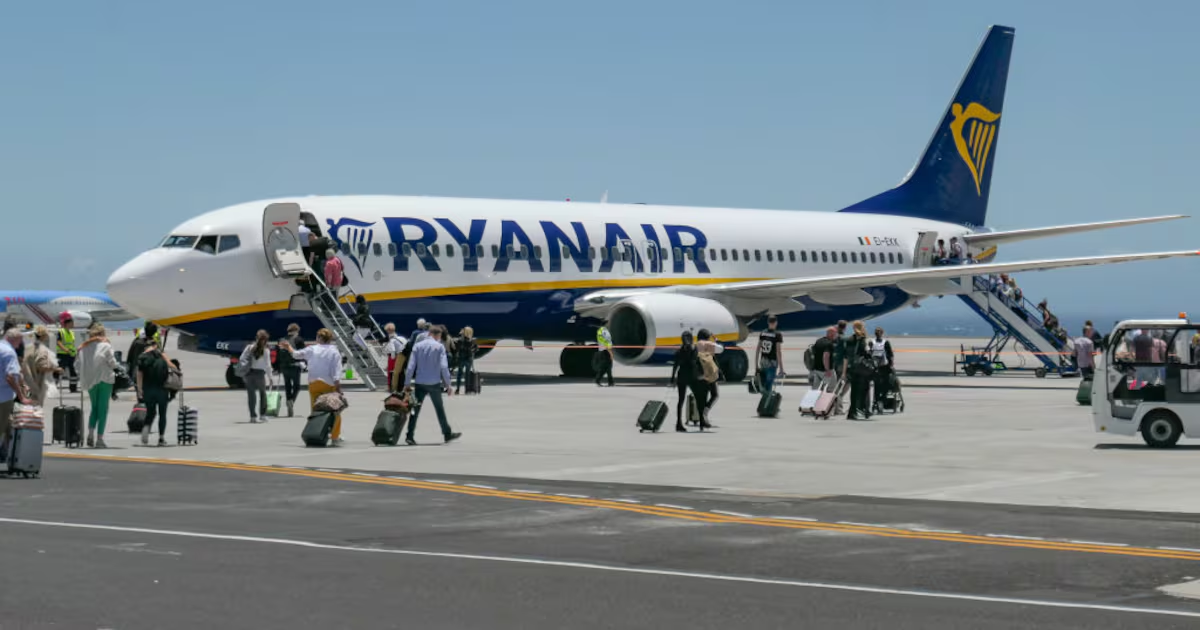
The market for jet fuel illustrates that the impact of the ongoing energy crisis is complex and unpredictable. Fears of a shortage of supply in Europe seem to have eased for the moment, though the market remains vulnerable. Supply costs are higher and – despite the decline in prices to passengers in the short term signalled in the latest result from Ryanair – this is likely to feed through in time to consumers. The longer-term impact, meanwhile, remains unpredictable. The fall-out from the blockage of the Strait of Hormuz varies across different markets. The price of crude oil, the focus of most commentary, has increased by around 60 per cent since the crisis started. But markets for refined products such as diesel and jet fuel, while influenced by the supply and cost of crude , are also driven by a range of other factors. In the case of jet fuel, Ryanair chief executive Michael O’Leary has pointed to the sourcing of product for Europe from other international markets. Also, refineries seem to have been able to increase their own output, while the release of fuel from stocks has also helped. So, too, has some fall off in demand as a number of airlines cancel or consolidate flights and some passengers hold off booking due to the uncertainty. To some extent this is a demonstration of the market adapting to an emergency. In April, fears were raised when the International Energy Agency said Europe only had six weeks of jet fuel left. However, airlines are now confident that the holiday season will not be disrupted, even if the market for fuel remains tight and potentially volatile. Higher jet fuel prices, if maintained, will eventually mean lower profits for airlines, higher prices for consumers or more likely both. The same calculus applies in other energy markets. And analysts fear that if the Strait of Hormuz does not reopen over the next month, many key markets could start to come under pressure. Prices at the pumps or for home heating oil could rise further, as could the cost of diesel and, before long, electricity. Even if the Strait starts to reopen, it will take a considerable time for shipping to return to normal and so there will still be a significant economic cost. Like jet fuel, it is possible that other parts of the market may muddle through for a bit longer. But eventually, if the Strait does not reopen, reality will hit. This brings shot-term pressures for governments, including in Ireland, in relation to supports to consumers and businesses, particularly if the crisis remains heading into next winter.It also raises familiar longer-term questions about reliance on imported fossil fuels, where Ireland is notably exposed, the importance of speeding the development of renewables and the imperative of tackling climate change, where the airline industry itself has a significant impact.
The Irish Times view on jet fuel supplies: muddling through for now
European airlines are confident about supply for the summer, but price pressures may return
476 words~2 min read