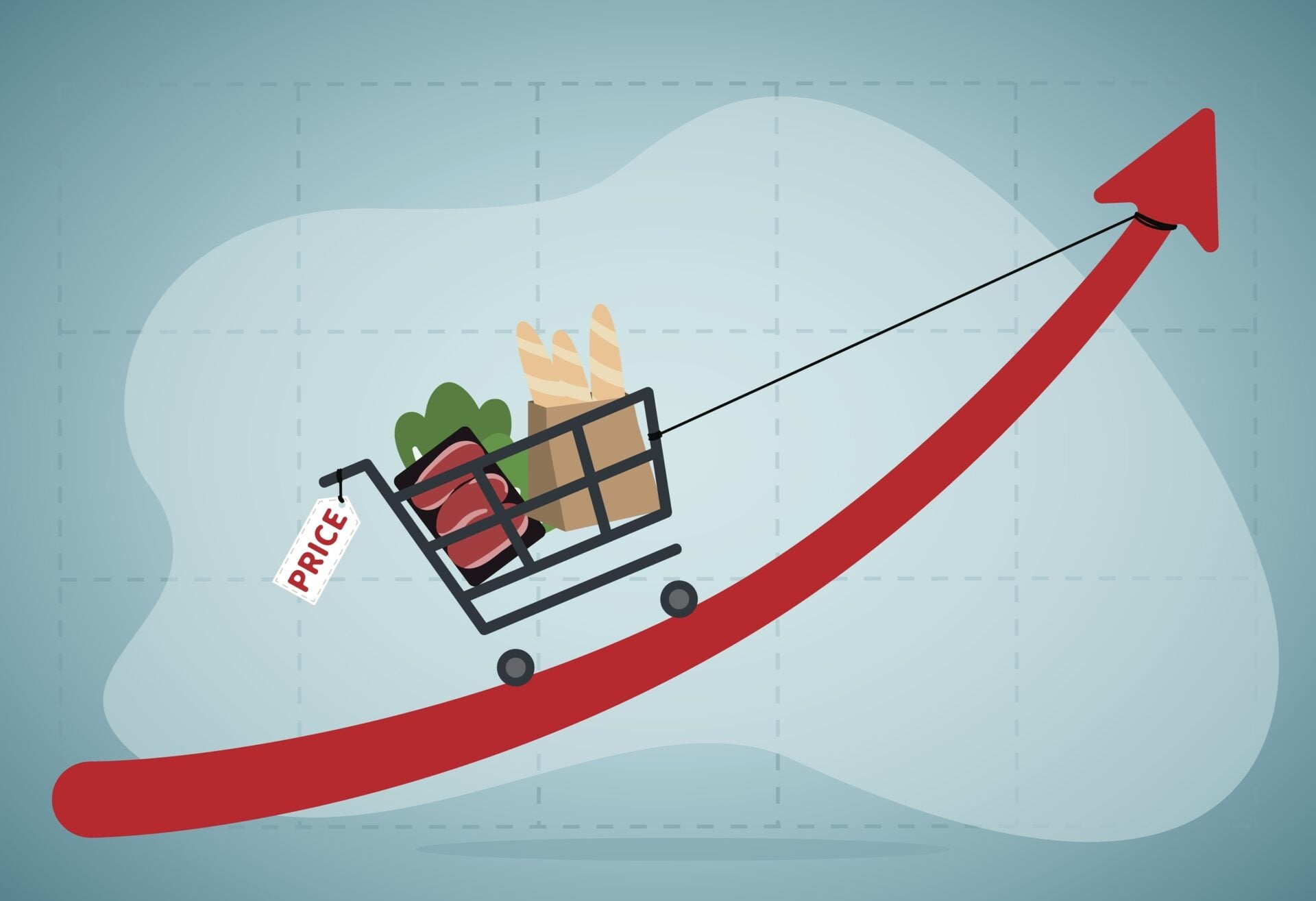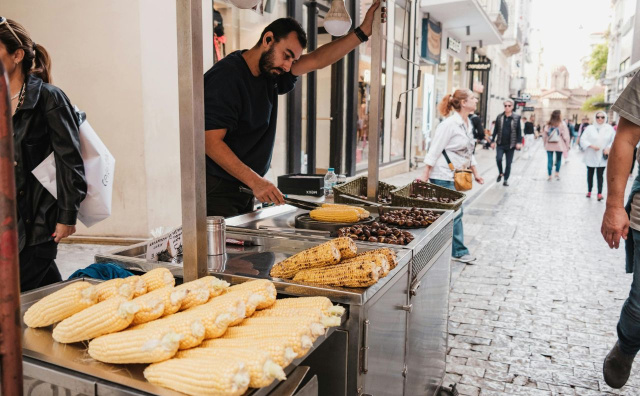
Food prices in Greece have continued their upward trajectory for a third consecutive month, with economists warning that additional increases are likely before the end of the month.
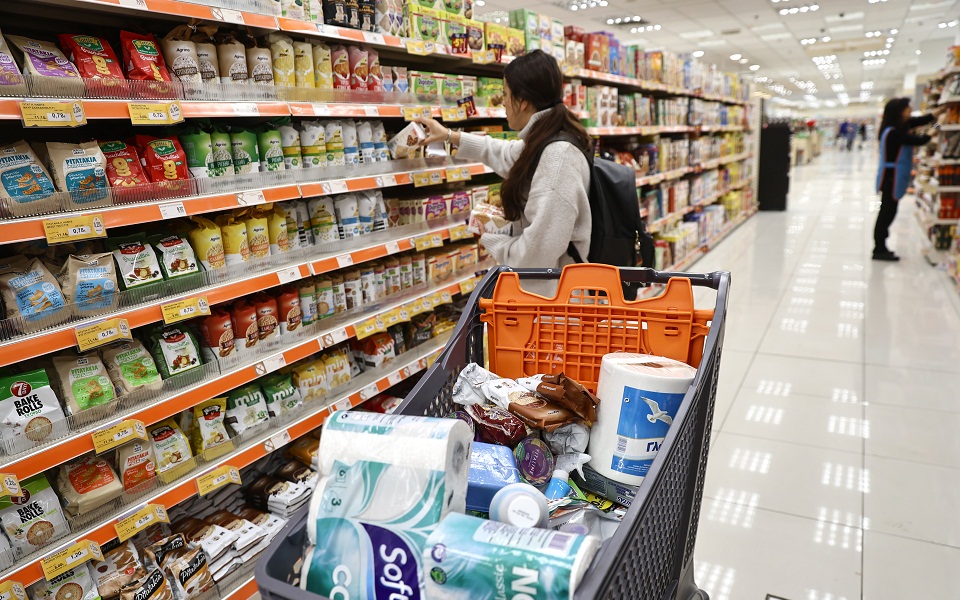
A survey conducted by the Consumers’ Union shows sustained inflation in food costs, driven primarily by rising energy prices and higher fertilizer costs. Analysts also point to geopolitical tensions in the Persian Gulf as a factor behind renewed increases in fuel prices, which are feeding through the entire supply chain.
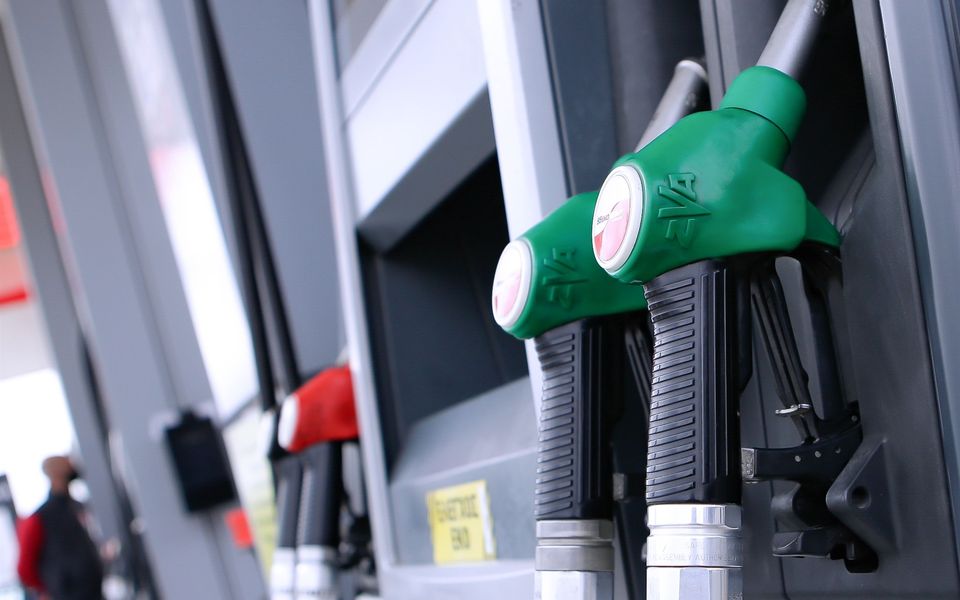
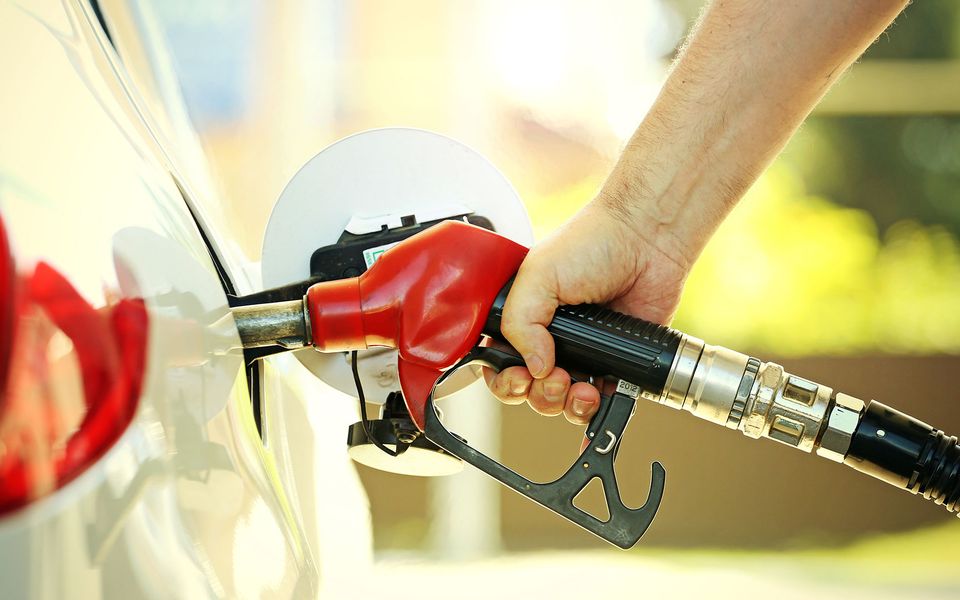
On the islands, gasoline has reportedly climbed to as much as 2.60 euros per liter, adding further pressure to transport and production expenses. Farmers say they are struggling with the combined impact of expensive fuel and fertilizers, which is reducing output and increasing costs at the source of food production.
Consumer surveys indicate that fruits and vegetables are increasingly unaffordable for many households, reflecting broader concerns about food accessibility. The price pressure is also expected to spill over into tourism-related services, which rely heavily on local food supply chains.
Meat prices have also risen sharply, with increases of at least 20 percent since the start of the year. The surge is linked in part to losses in livestock due to the spread of foot-and-mouth disease, which has affected production volumes across multiple categories of meat.