Tuesday 19 May 2026 3:33 pm
Energy bills are expected to rise in July
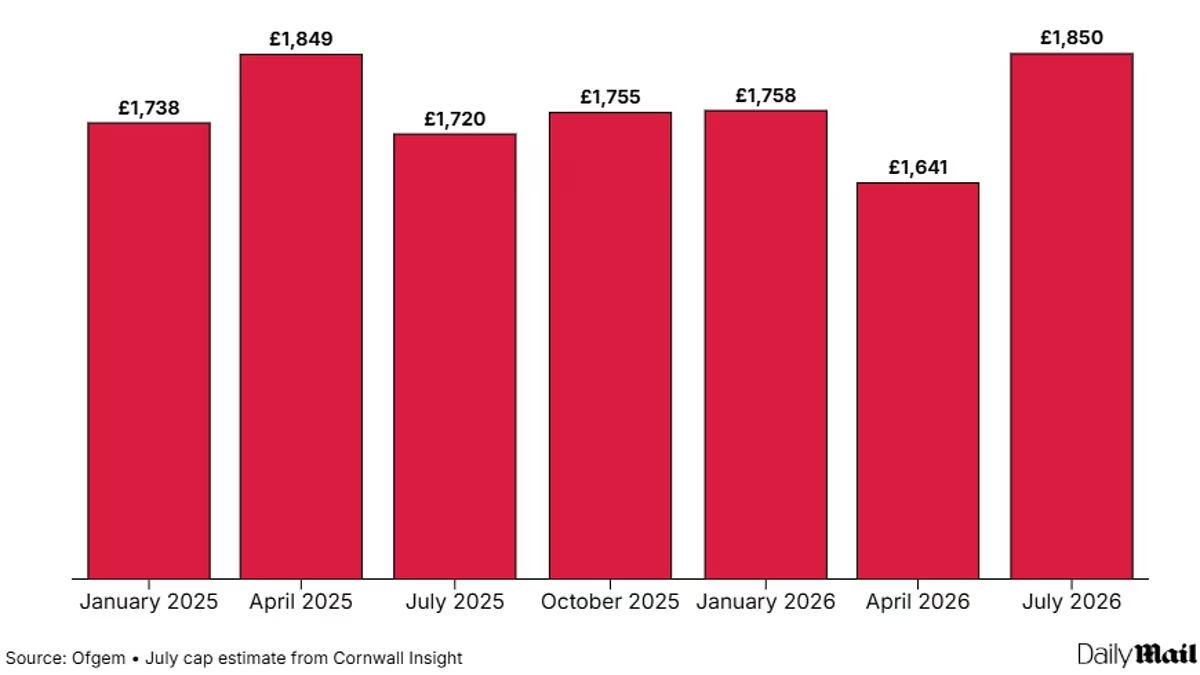
Brits are set to face a sharp hike in energy costs this summer, with household bills forecast to rise by more than £200 a year, as the conflict in the Middle East ripples into the UK market.Energy analyst Cornwall Insight predicts that the annual bill for a typical dual-fuel household will increase to £1,850, according to its final forecast for the July to September price cap.This represents a 13 per cent increase from the current cap of £1,641.The rise has been credited to the volatile wholesale market, which has been damaged by the Iran conflict since it began on 28 February, with the report stating that prices rocketed in March after US strikes on Iran triggered retaliation from Tehran.Iran closed the Strait of Hormuz, clogging the route which is responsible for carrying a fifth of the world’s oil and gas supply, causing a surge in prices.Brent crude is up 52.6 per cent this year to date, trading at $91.9 (£68.6), but surpassed $110 during the height of the conflict earlier this year.Elevated cap likely to persistWhile energy consumption typically falls during the summer months, experts warned that the elevated cap is likely to persist into the winter period where energy is in higher demand.Cornwall noted that “the bigger concern is October” as that is when typically “demand picks up again”.The analyst warned that even if a ceasefire is reached, bringing an end to the conflict, it wouldn’t likely lead to a price drop because of significant “physical damage to infrastructure”, including plants and oil fields, coupled with long-term supply disruption.Changing forecastsCornwall’s forecasts have shifted since the start of the conflict, with the cap first estimated to rise by £332 to £1,973 a year, as of 20 March.This dipped slightly on 13 May, to £1,929, a £228 increase, following the fragile ceasefire.The official price cap announcement from Ofgem is anticipated to be this month.Ofgem is consulting on changing the definition of a ‘typical’ household’s energy use, off the back of a general decline in national energy consumption.The watchdog is considering lowering the “typical domestic consumption values” used to calculate headline figures, and said it was minded to adopt the lower numbers for its cap methodology in July at the earliest.But Cornwall said if the regulator adopted the lower consumption figures, while the headline average bill would appear to rise by less, what households actually paid would depend on how much energy they used.This is because the cap controls unit rates and standing charges rather than the total bill itself, meaning it would not be affected by Ofgem’s average bill figure.