By JAMES TAPSFIELD, UK POLITICAL EDITOR Published: 09:26 BST, 19 May 2026 | Updated: 11:35 BST, 19 May 2026
Families face energy bills going up by hundreds of pounds from July with no prospect of things improving for the winter.The household price cap is on track to rise by £209 a year as soaring wholesale costs from the Middle East crisis are passed on.Cornwall Insight, which made the grim estimate, warned that the 'biggest concern' was that the level will not fall when the weather gets colder and people need to use heating.The analysts said even if the war ended immediately prices will not stabilise for months to come. Donald Trump declared overnight that he had held off more strikes on Iran after pleas from Arab states, but there is little sign of the chaos easing. Brent Crude is hovering around $100 a barrel this morning, with the Strait of Hormuz - through which a fifth of global oil supplies typically pass - still closed. The RAC has warned that petrol and diesel prices could reach the highest level this week since the war began at the end of February.
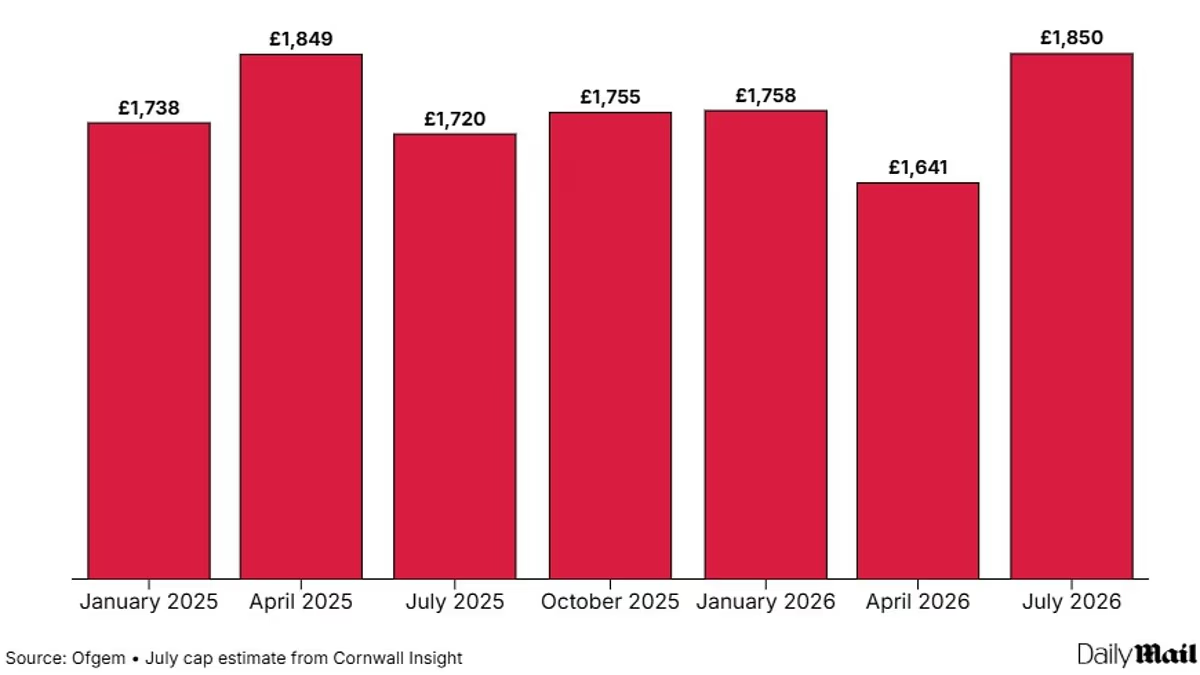
Although Rachel Reeves is poised to announce that a 5p rise in fuel duty will not go ahead in September, there are concerns that the Chancellor will need to raise more revenue to balance the books.She has made clear that any energy support will be targeted at those claiming benefits, rather than families getting by without handouts. Cornwall Energy said its prediction for Ofgem’s cap from July to September now stands at £1,850 for a typical dual fuel household.That would be an increase of 13 per cent on April’s £1,641 annual cap.Ofgem adjusts its price cap every three months and will announce the next level on May 27.Cornwall Insight said: 'While households will be understandably frustrated by a rise during the summer, the impact will be reduced as household energy usage typically falls during the hotter months. 'The bigger concern is October, when demand picks up again and current forecasts point to a similar cap level as July. 'While the October cap will depend on how the Middle East conflict unfolds, even if the conflict were to end tomorrow, the physical damage to infrastructure, and lingering effect of disrupted supply, means a fall back to April’s price cap levels in the autumn looks unlikely.' Rachel Reeves has made clear that any energy support will be targeted on those claiming benefits, rather than families getting by without handouts