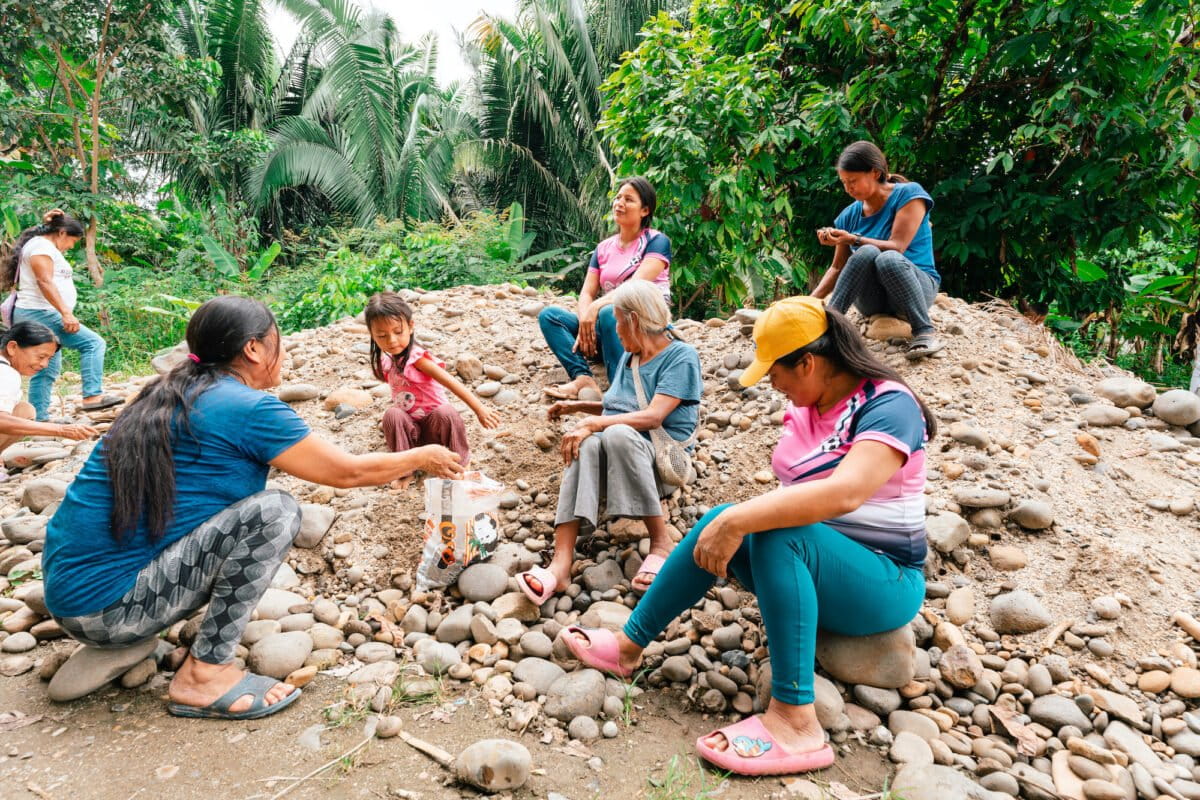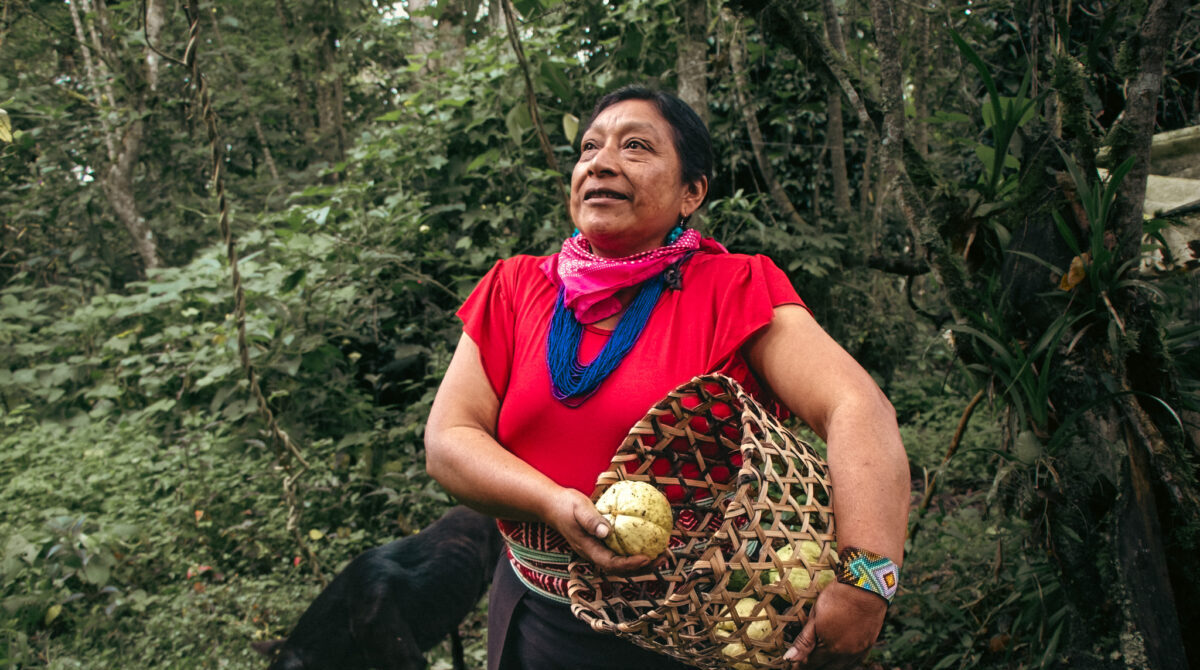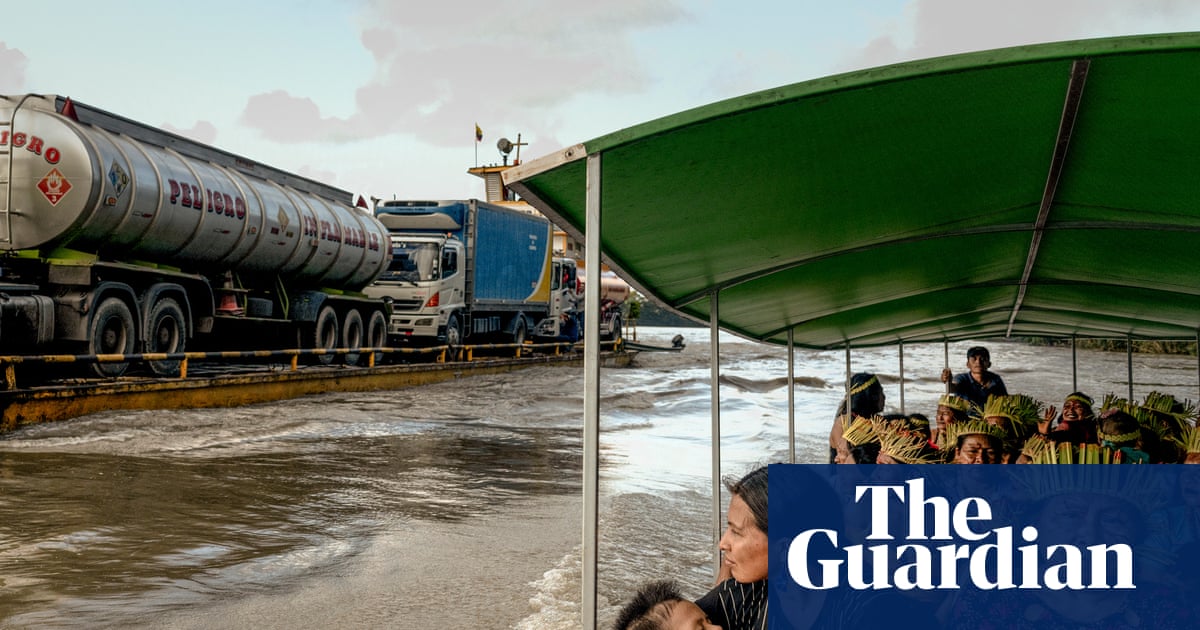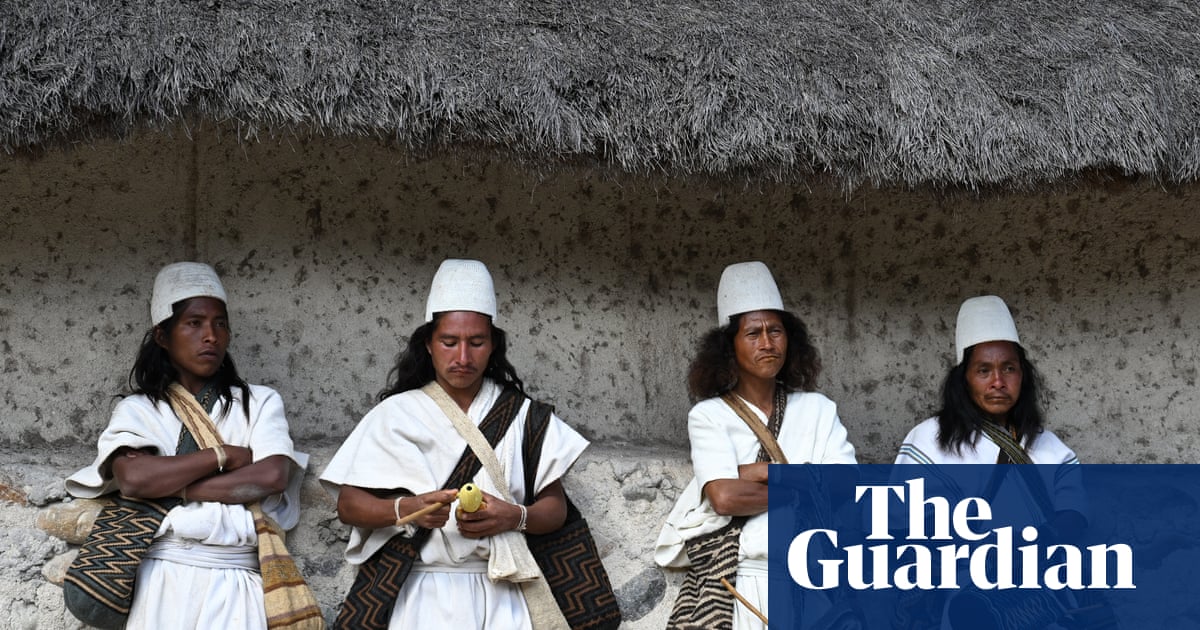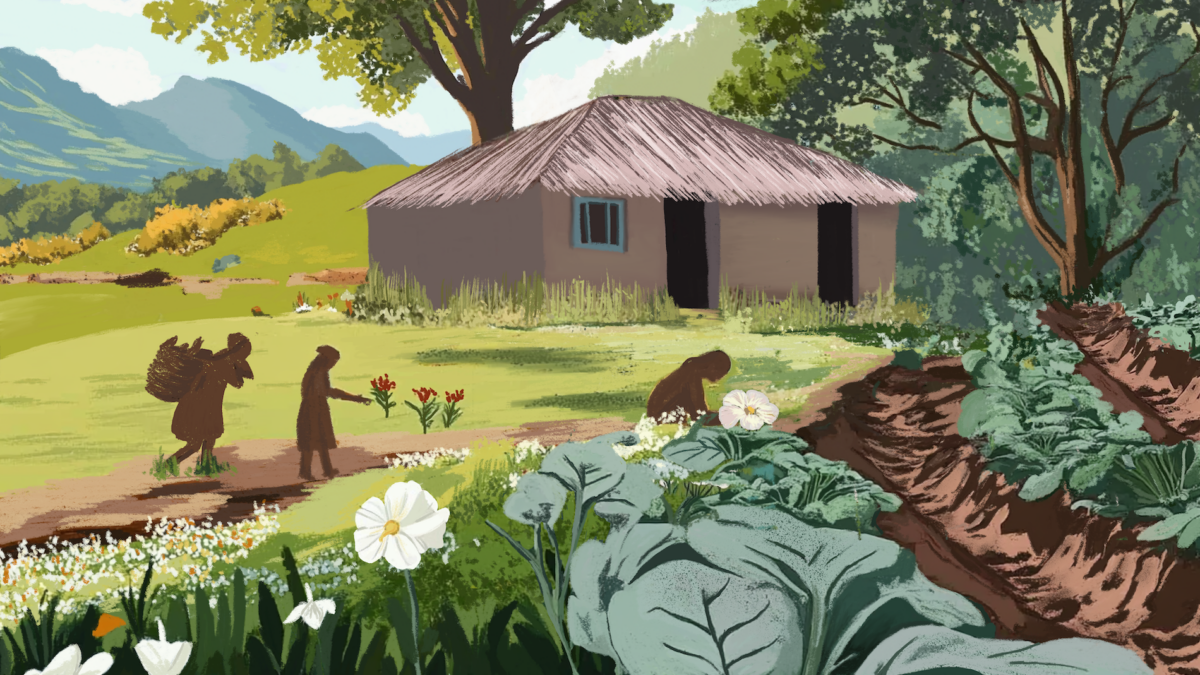
In Colombia southwest, Kamëntšá and Inga Indigenous women are at the forefront of the struggle to defend their territory, which provides water to the rest of the Putumayo. Through transmitting their language, cultivating traditional farms, sharing ayahuasca, and traveling the Sibundoy Valley, they keep their knowledge system alive: this is the basis of their defense of the territory.Although less than 30% of land in the region is suitable for cattle ranching, approximately 8,000 hectares (84%, 19,700 acres) are dedicated to this activity, impacting key ecosystems and water sources.At least 45 women have organized to resist the advance of monocultures and deforestation. They achieve this through their chagras, traditional growing spaces that contain hundreds of edible and medicinal plant species.Their knowledge and deep connection with the territory have enabled them to participate in the creation of Indigenous reserves and to oppose large-scale road-building projects on their land.
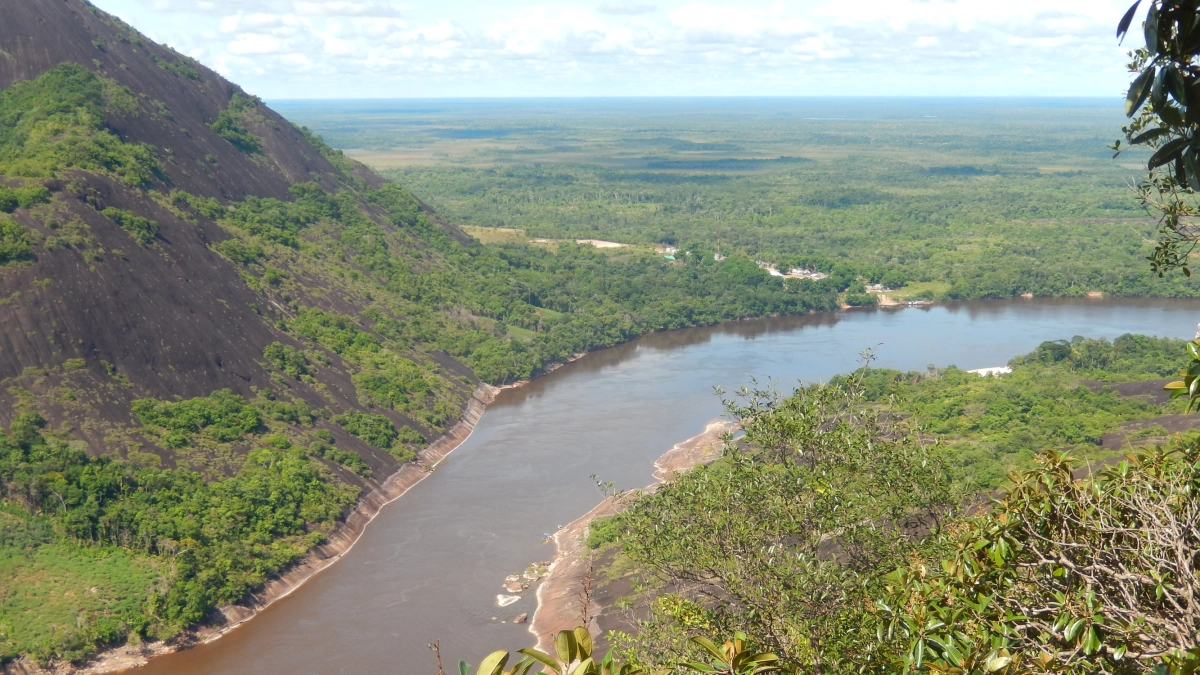
The Sibundoy Valley in Putumayo, southwestern Colombia, is an ancestral territory inhabited by two sister ethnic groups: the Kamëntšá and the Inga, descendants of the Peruvian Incas. It is also the place where at least four rivers originate, including the Putumayo, which later joins the Caquetá before flowing into the Amazon.