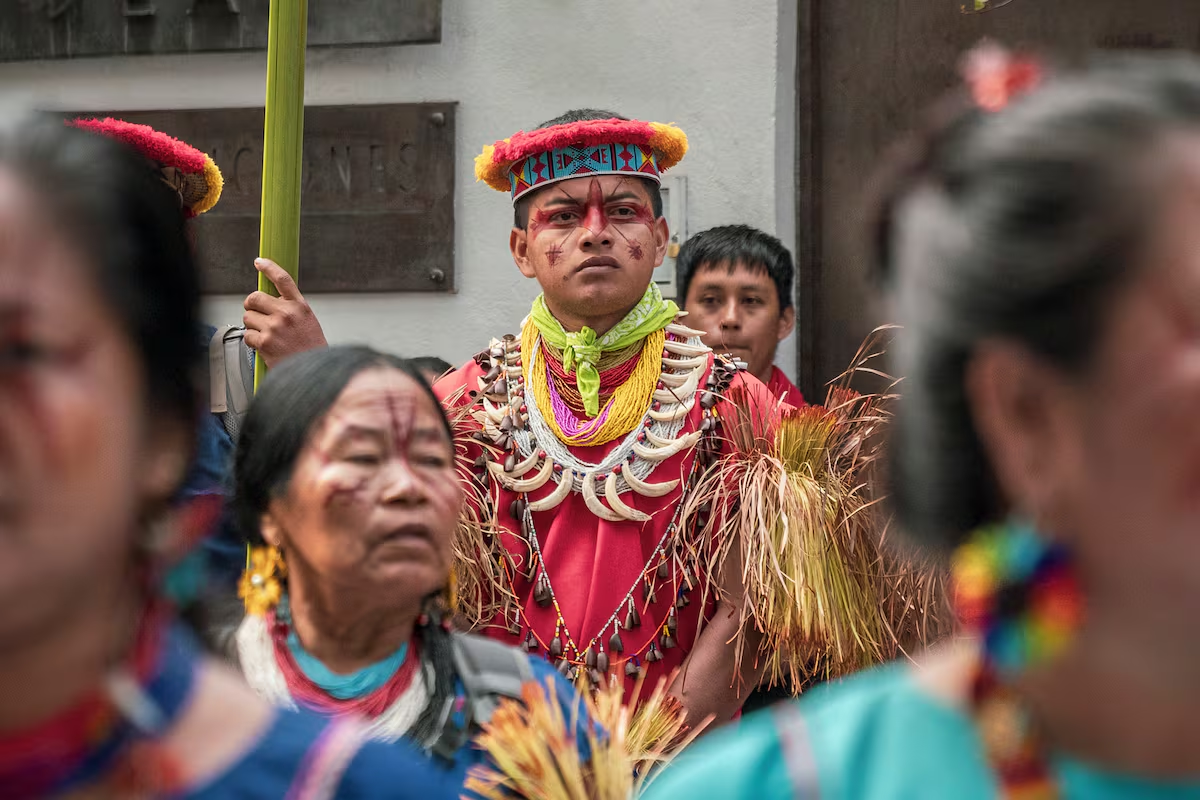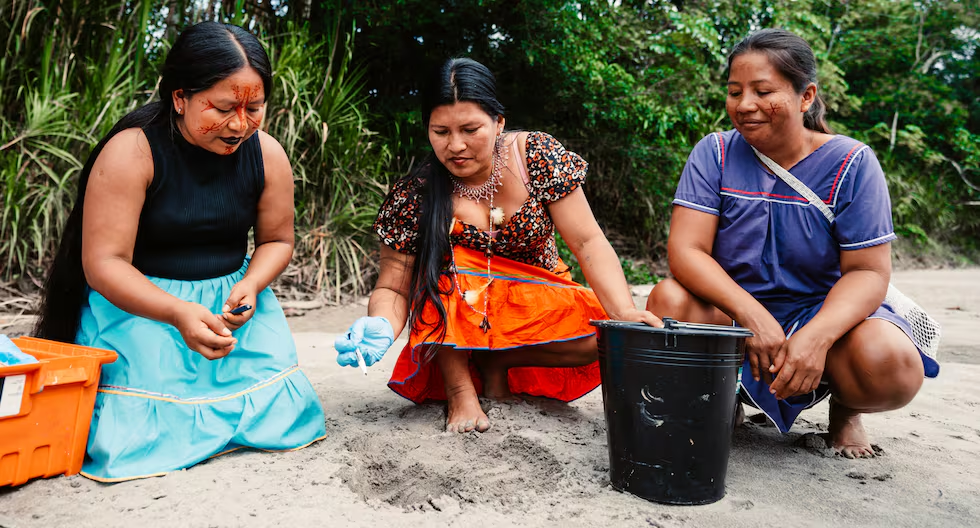
On the Ecuador-Peru border the Siekopai people fight to protect the Amazon from the oil industry and other threats – and women are at the forefront of the resistance
I
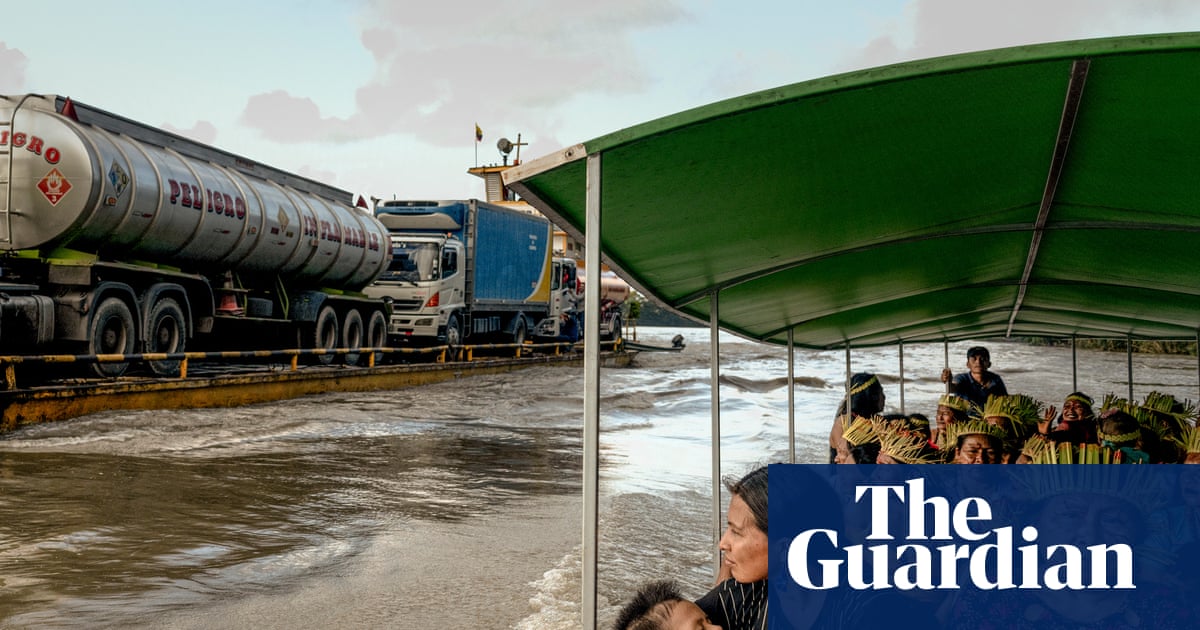
n June 2025, I accompanied a group of Siekopai women along the Aguarico River in the Ecuadorian Amazon. Mothers, daughters, cousins and granddaughters had reunited to participate in the Binational Ceramics Gathering in Siekoya Remolino, a community that has remained free from oil extraction, mining and African palm monocultures.
They were welcomed by the Keñao Productive Women’s Association, which was founded in 2022 by 26 Siekopai female artisans to promote Indigenous women’s participation and economic autonomy.
The Siekopai Nation, which has historically occupied territories along the northern border between Ecuador and Peru, was separated and displaced during the 1941 border war between the two countries, a conflict with consequences that extended into the 1990s. According to Justino Piaguaje, leader of the Siekopai in Ecuador, the nation’s original population was close to 20,000 but diseases brought by colonisers, Jesuit missions, conditions of slavery during the rubber boom, and the impacts of the oil industry led to a drastic decline. Today they number about 800 in Ecuador and 1,200 in Peru.