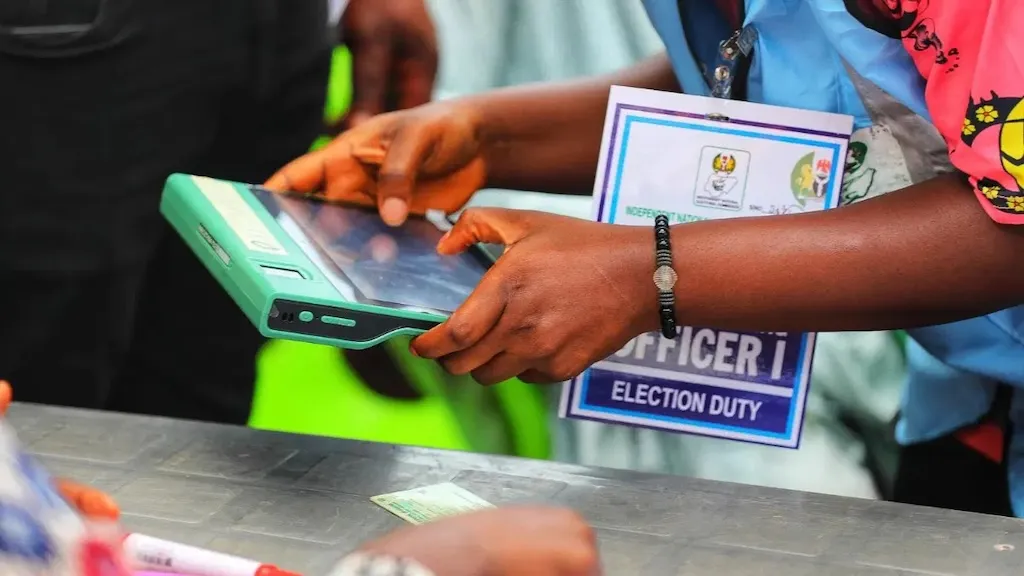
PRESIDENT Bola Tinubu ignored the concerns raised by many Nigerians over some provisions of the Electoral Act (Amendment) 2026. He signed the bill into law barely 24 hours after the National Assembly passed it on February 17, 2026. Yet, if Nigeria is to conduct a transparent and credible election in 2027, these grey areas require urgent review.
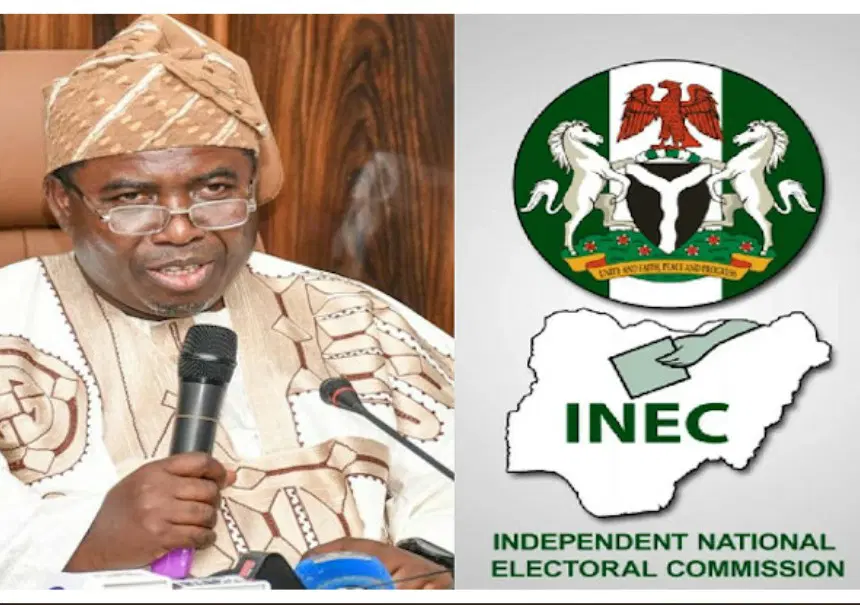
A former Chairman of the Independent National Electoral Commission, Attahiru Jega, recently reinforced this concern. In a paper titled “Some Reflections on the 2026 Electoral Act and Nigeria’s Electoral Democracy”, Jega identified Sections 60(3), 83(5), and 138(1) as among the troubling provisions that deserve immediate amendment.
He rightly warned that Section 60(3), which makes the results sheet, Form EC8A, the primary collation document whenever electronic transmission fails, could become a ready tool for electoral fraud.
“Given what we know about the Nigerian environment and the desperation of the ‘do-or-die’ politicians, there shouldn’t be such a vague provision, which would be used to truncate electronic transmission, in favour of manual transmission of results, which is easier to fraudulently manipulate and exploit,” he said.
His fears are well-founded. The Nigerian Communications Commission has consistently maintained that the country enjoys over 93 per cent network coverage.