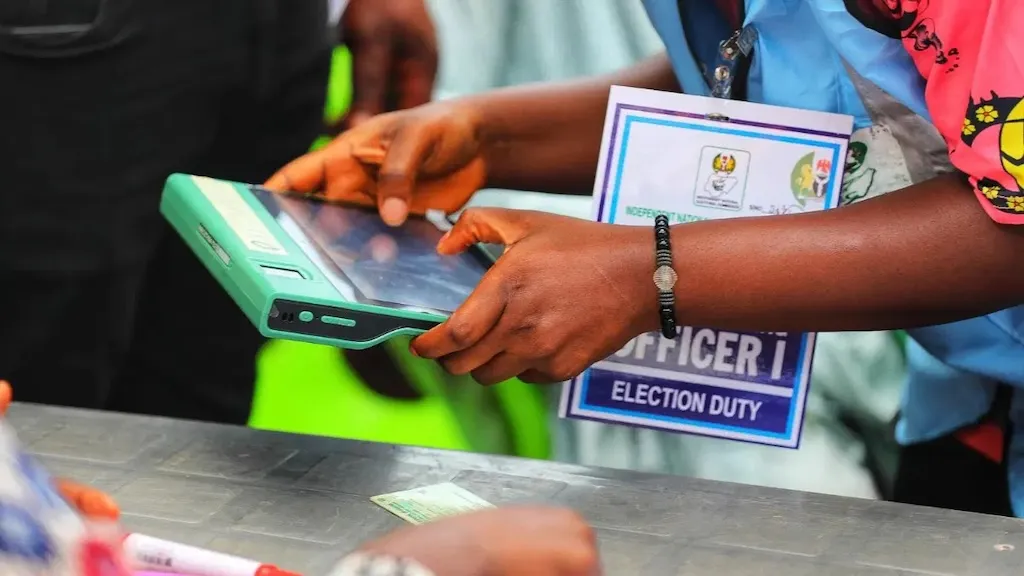
Every general election has a legal framework that underpins its successful conduct. The Electoral Act 2026 exemplifies this for the 2027 polls. Nigeria has had to amend extant Electoral Acts to improve the integrity of its electoral process. This is why the 2022 Electoral Act was subjected to a review early in the year, which gave birth to the Electoral Act 2026.
Yet, its ill-defined provisions on the electronic transmission of votes, from polling units to INEC’s IreV portal in real time, had sparked considerable ruckus in the parliament in February and broadsides from other stakeholders, until the legislature willy-nilly acceded to popular demand.
However, many stakeholders, including Independent National Electoral Commission’s former Chairman, Attahiru Jega, and former Akwa Ibom State Resident Electoral Commissioner, Mike Igini, have continued to point out lingering booby-traps in the Electoral Act, which require further amendments. Mr Igini is categorical that the oncoming elections have already “been sabotaged” at the level of balloting, with Section 137 of the Act, if not amended. Messrs Jega and Igini’s counsels carry heavy weight on electoral matters, given their experience in the administration of elections in the country. Both men served INEC creditably for years. As such, when they speak, objective-minded Nigerians listen.