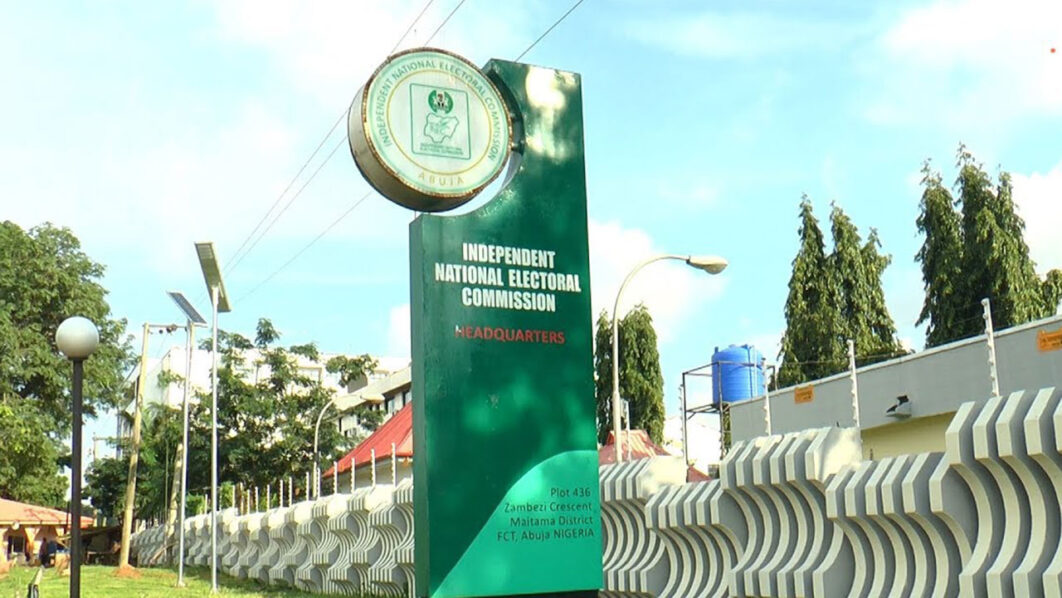
Barely four months after the Independent National Electoral Commission unveiled its revised timetable and schedule of activities for the 2027 general elections, the electoral body has become embroiled in a wave of litigation that could reshape the country’s next electoral cycle.
Under the timetable released on February 26, political parties were required to submit their membership registers between March 24 and April 25, conclude their primaries by May 31, while the nomination portal for presidential and National Assembly candidates opened on June 27 and is scheduled to close on July 11.
Governorship and House of Assembly nomination forms are to be submitted between July 18 and August 8, while campaigns for the presidential and National Assembly elections are expected to commence on August 19.
INEC is scheduled to publish the final list of presidential and National Assembly candidates on September 12, ahead of the presidential and National Assembly elections on January 16, 2027, and the governorship and state Houses of Assembly polls on February 6, 2027.
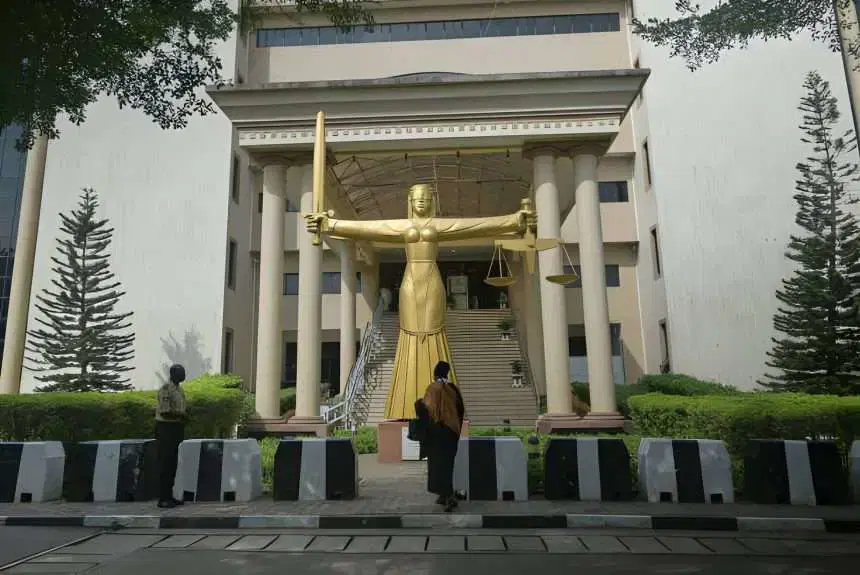
However, even as those milestones unfold, at least six major cases involving INEC are pending before the Federal High Court and the Court of Appeal, challenging the commission’s powers, the validity of its election timetable and the legal status of some political parties.