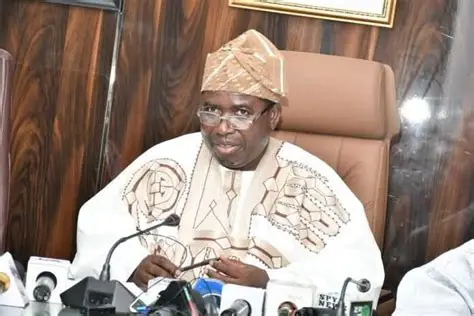
This article by Festus Okoye examines several court cases brought by political parties, SDP, NNPP and Youth Party, the pronouncements of the courts on the issues arising in these cases, such as the Election Timetable and Schedule of Activities for the 2027 general elections, the attempt by INEC to abridge the timeframe of certain activities in its Guidelines such as submission of political party membership registers, the controversies arising therefrom, the impact of the Electoral Act 2026 on these issues, and decisions of the Supreme Court related to some of these matters
Introduction
The controversy surrounding INEC’s Timetable and Schedule of Activities and its place in Nigeria’s hierarchy of laws, is unfortunate and unnecessary. It is unnecessary because, there is a precedent to guide all stakeholders in the electoral process. It is also unnecessary because the Supreme Court of Nigeria, the highest Court in the land, was called upon in 2023 to decide on a similar issue, and the electoral management body should have been guided by the Supreme Court’s decision when drafting the Timetable and Schedule of Activities for the 2027 general election.
Doing so is not a sign of weakness, because the previous Commission faced the same challenge, insisted on the sanctity and inviolability of its Timetable and Schedule of Activities, and ultimately bowed to the Supreme Court’s decision. Refusing to obey and abide by the judgement of the Supreme Court and the Federal High Court in suit No. FHC/ABJ/CS/517/2026 has political, financial, security, constitutional, and statutory implications.