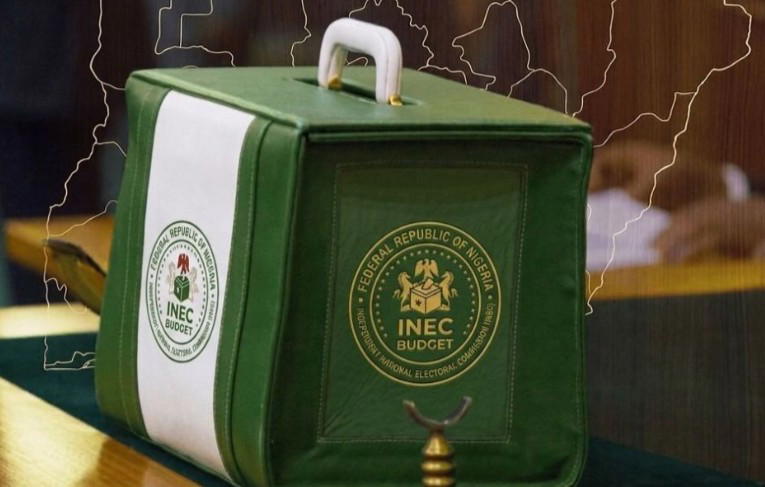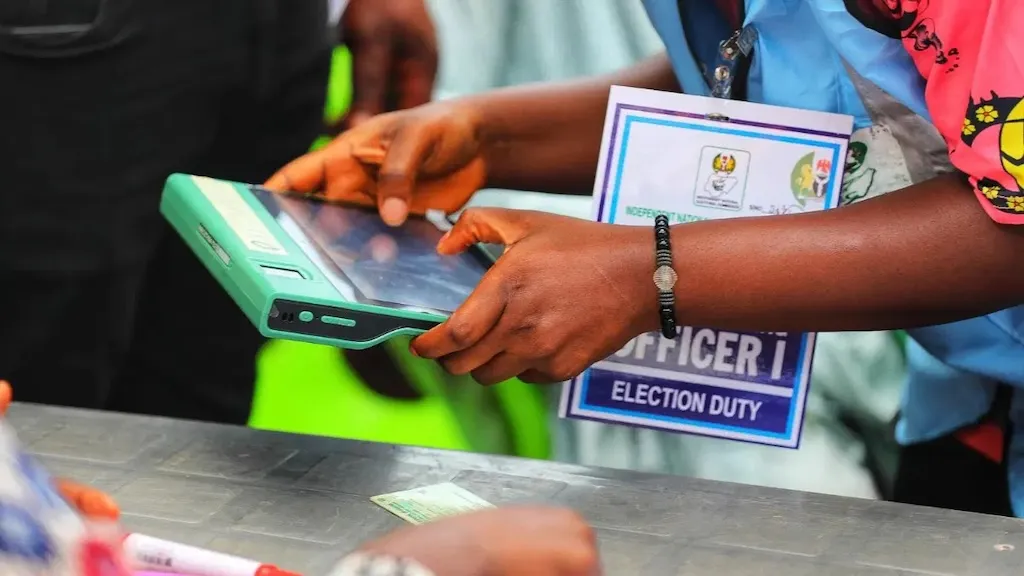
When the Electoral Act 2026 was passed into law in February 2026, the expectation was that it would be the deus ex machina (the fool-proof, mechanical, solution as in complex Greek tragedies of old) to Nigeria’s electoral problems since the return to civilian rule in 1999, but the newest law merely followed the old pattern, incomplete and inadequate in its provisions, suspicious in terms of its intentions, creating fresh problems of its own, and proving that there is apparently no definite solution to Nigeria’s electoral problems. By this time next year, there can be no doubt that we would be talking about another round of electoral reform, and that still won’t solve our problems with elections because it is now clear that it is not laws that create credible and transparent elections, or democracy. The problem is with the people, the institutions, the processes and the politicians themselves. There is no law, no matter how well framed that Nigerians cannot sabotage, compromise, violate. And we need not seek further afield for proof than the recent, and on-going party primaries in the political parties participating in the 2027 electoral process. What we see is that our politicians have not learnt any lessons. They are not ready to change.
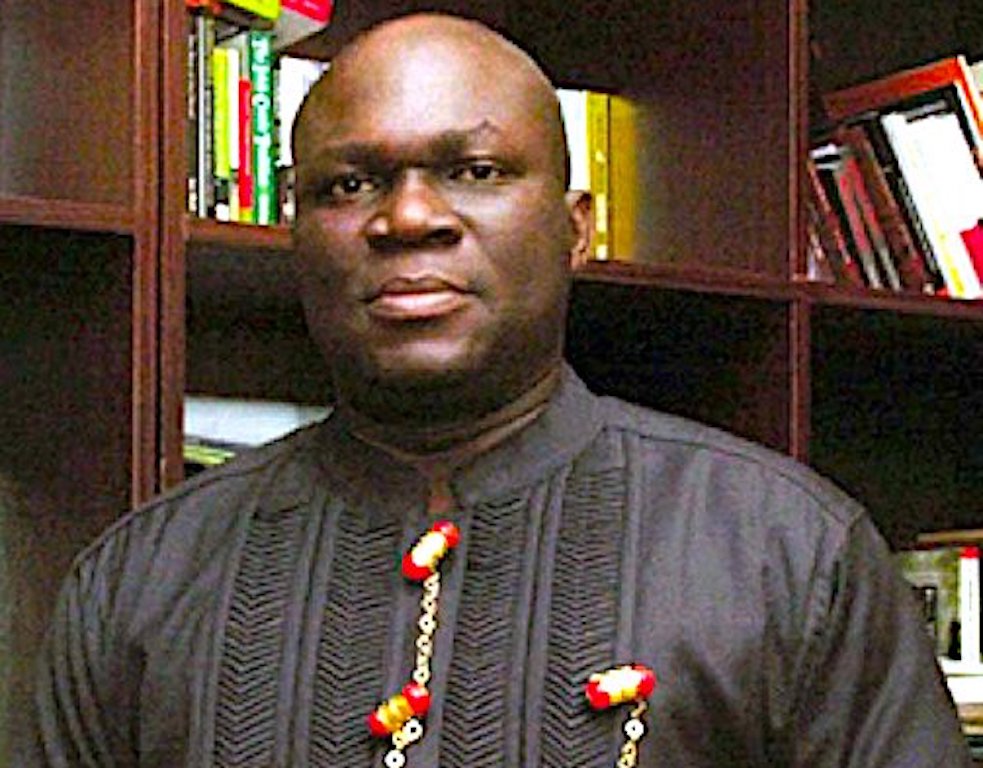
Party primaries and accountability, By Reuben Abati
Add us on Google When the Electoral Act 2026 was passed into law in February 2026, the expectation was that it would be the deus ex machina (the fool-proof, mechanical, solution as in complex Greek tragedies of old) to Nigeria’s electoral problems since the return to civilian rule in 1999, but the newest law merely followed the […]
2,189 words~10 min read