view more
A newly-developed superconducting quantum heat engine not only advances our understanding of thermodynamics but also enables technologies needed for high-qubit quantum computers.
Recent improvements in our understanding of how the principles of thermodynamics apply in the quantum realm could give a boost to quantum technology, and a clearer picture of quantum thermodynamics could reciprocally enhance our understanding of classical thermodynamics. Now Aalto University researchers have demonstrated the first cyclic quantum heat engine inside a superconducting circuit.
Physicists have become increasingly fascinated with the idea that classical thermodynamics could be combined with quantum mechanics. Quantum mechanics captures the behaviour of particles on tiny scales—smaller than atoms—while thermodynamics is about large systems, from molecules up to the entire universe. How do strange quantum phenomena like tunneling, entanglement and superposition mix with the stolid familiarity of the heat engines that kickstarted the industrial revolution?
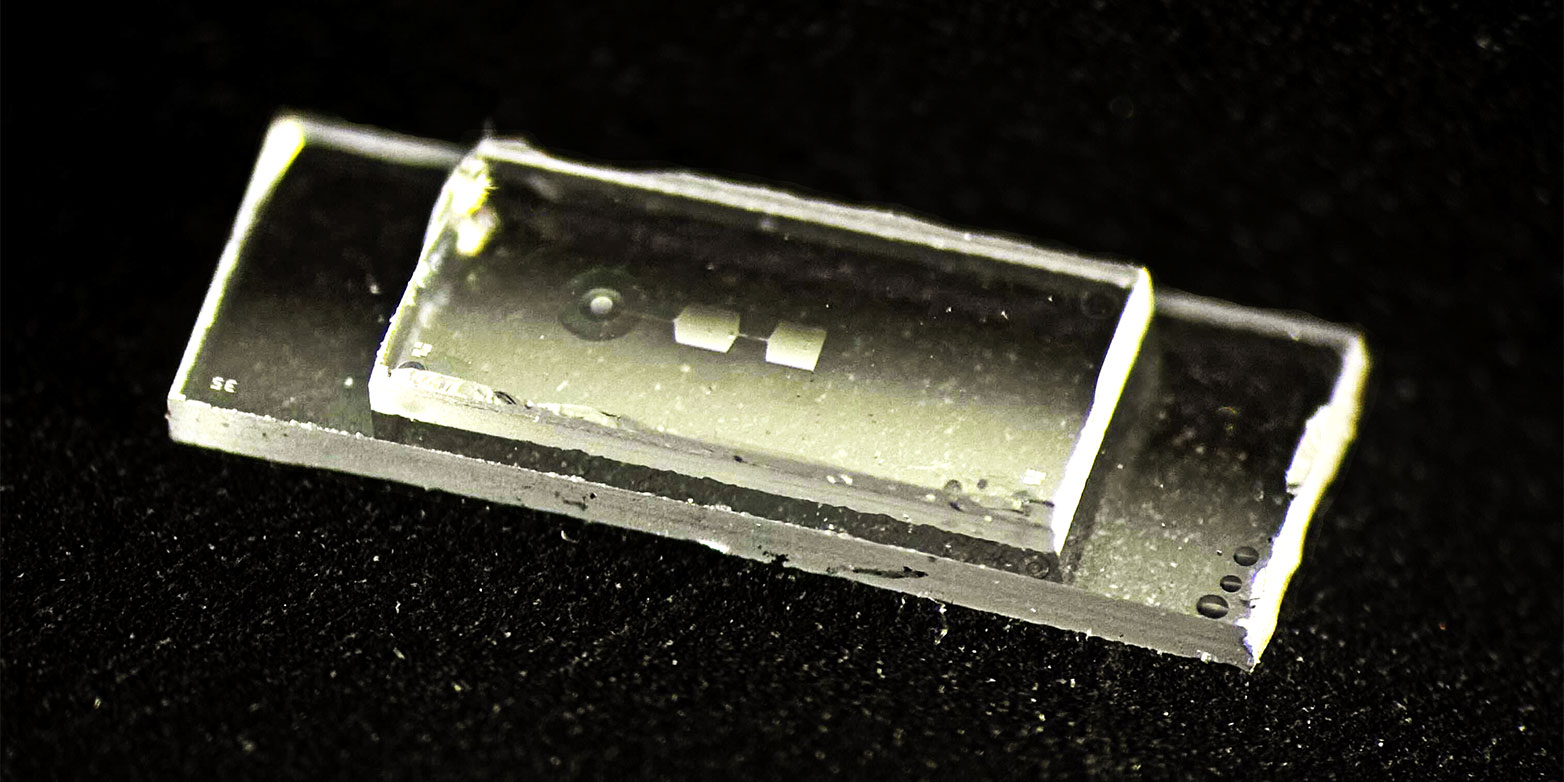
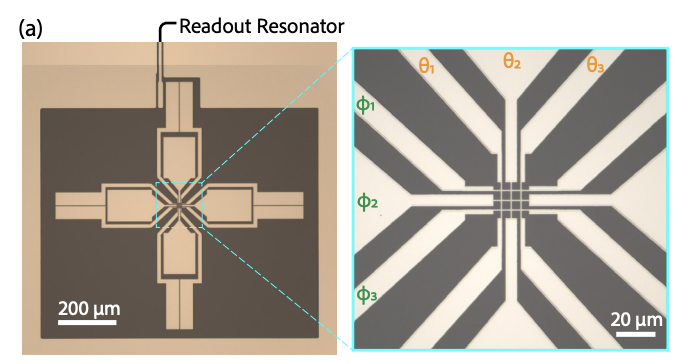
Heat engines, like James Watt’s famous steam engine, convert heat into useful energy, into work. They power our cars, ships, and planes, and heat engines are how most power plants generate electricity. Now, the world’s first superconducting quantum heat engine has been built: a tiny device consisting of a transmon qubit, a resonator and a quantum refrigerator.