Insider Brief
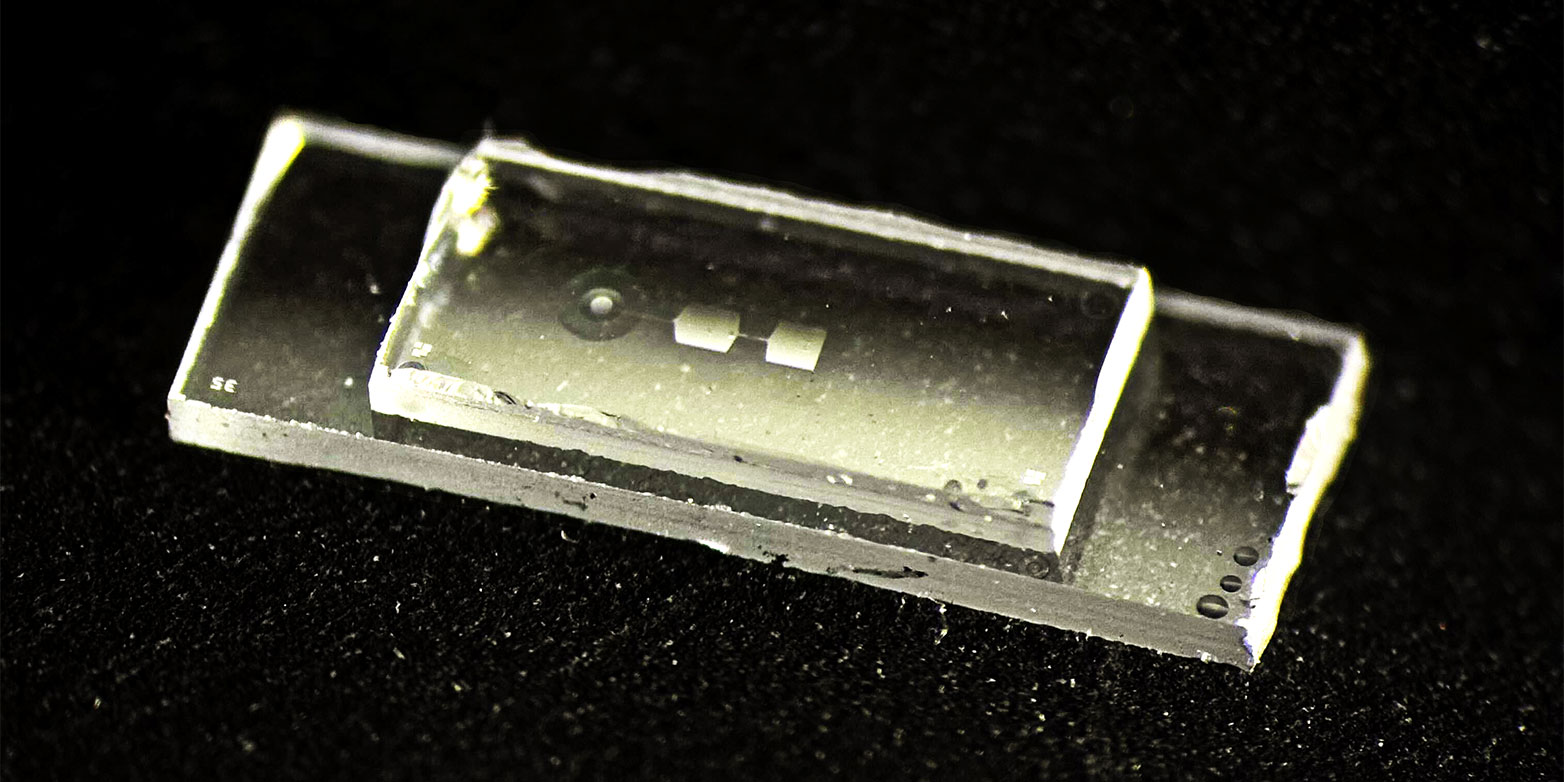
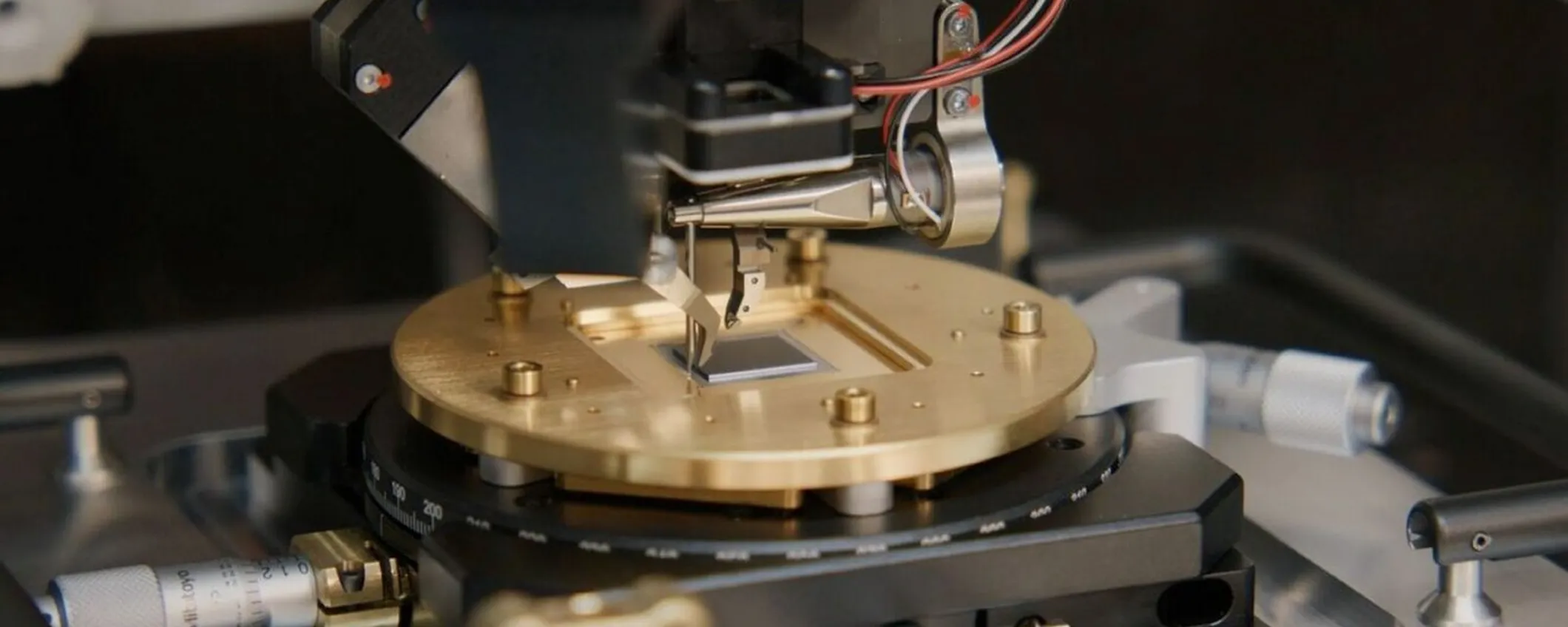
ETH Zurich researchers demonstrated a new quantum computer architecture that uses mechanical vibrations as a quantum working memory, showing that superconducting qubits can process information stored in microscopic mechanical resonators.
The architecture separates quantum processing from memory in a design modeled on classical computers, with mechanical resonators offering higher memory density, smaller size and longer storage times than conventional electromagnetic quantum memory.
The team successfully implemented the Quantum Fourier Transform and a period-finding algorithm, providing a proof of principle that the platform can perform programmable quantum computations while supporting future efforts to scale the technology.
A team at ETH Zurich has demonstrated a new quantum computer architecture that uses tiny mechanical vibrations as working memory, offering an alternative to conventional electromagnetic quantum memory while separating computation and storage in a design that more closely resembles a modern digital computer.