Skip to content
GQINewsNews Archive 2025News Archive 2024News Archive 2023News Archive 2022News Archive 2021News Archive 2020News Archive 2019News Archive 2018News Archive 2015-2017AnalysisQnalysisPlayersPublic CompaniesPrivate/Startup CompaniesUniversitiesGovernment/Non-ProfitVenture CapitalVenture Capital – Sorted by Quantum CompanyResourcesConferencesToolsOther Websites and Industry AssociationsEducationBooksScorecardsGate Level Software PlatformsIBM Qiskit, Rigetti Forest, Microsoft QDK, Project QReview of the Cirq Quantum Software FrameworkQubit Implementation DashboardQubit CountQubit QualityQubit TechnologySoftware/Startup PartnersCloud Platform Hardware PartnersPodcastsAboutQCR Alerts Sign-Up FormAdvertising InquiriesQCR in the NewsContactPrivacy PolicyMembership
ETH Zurich Combines Superconducting Qubits with Mechanical Resonators to Build Vibrating Quantum RAM
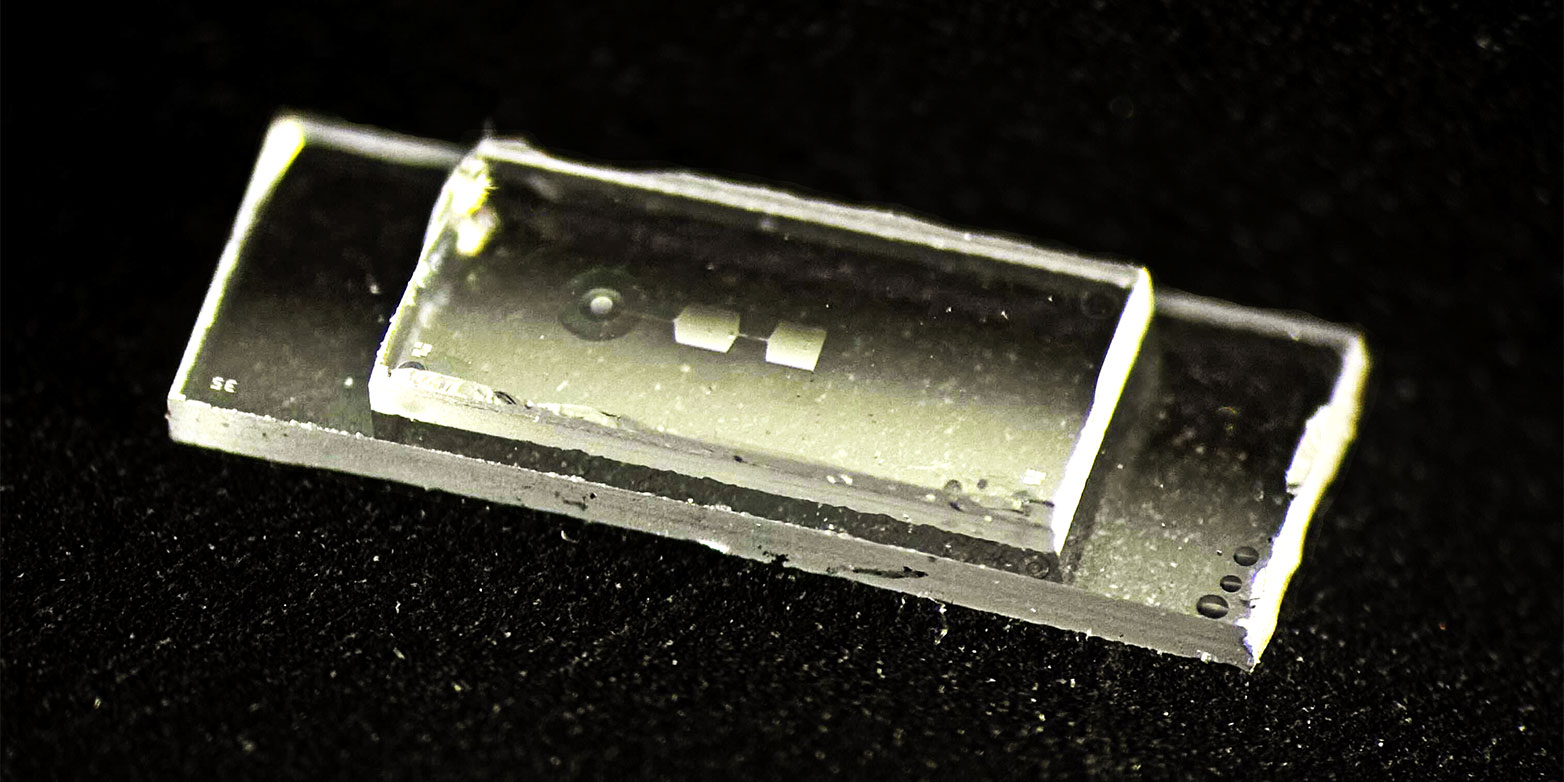
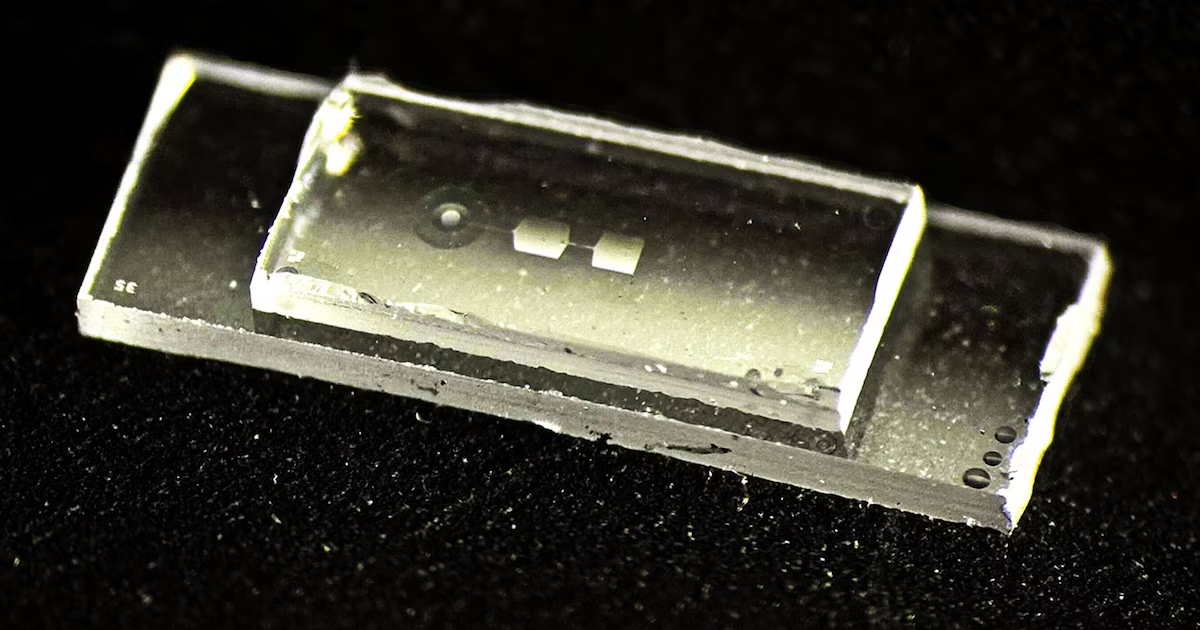
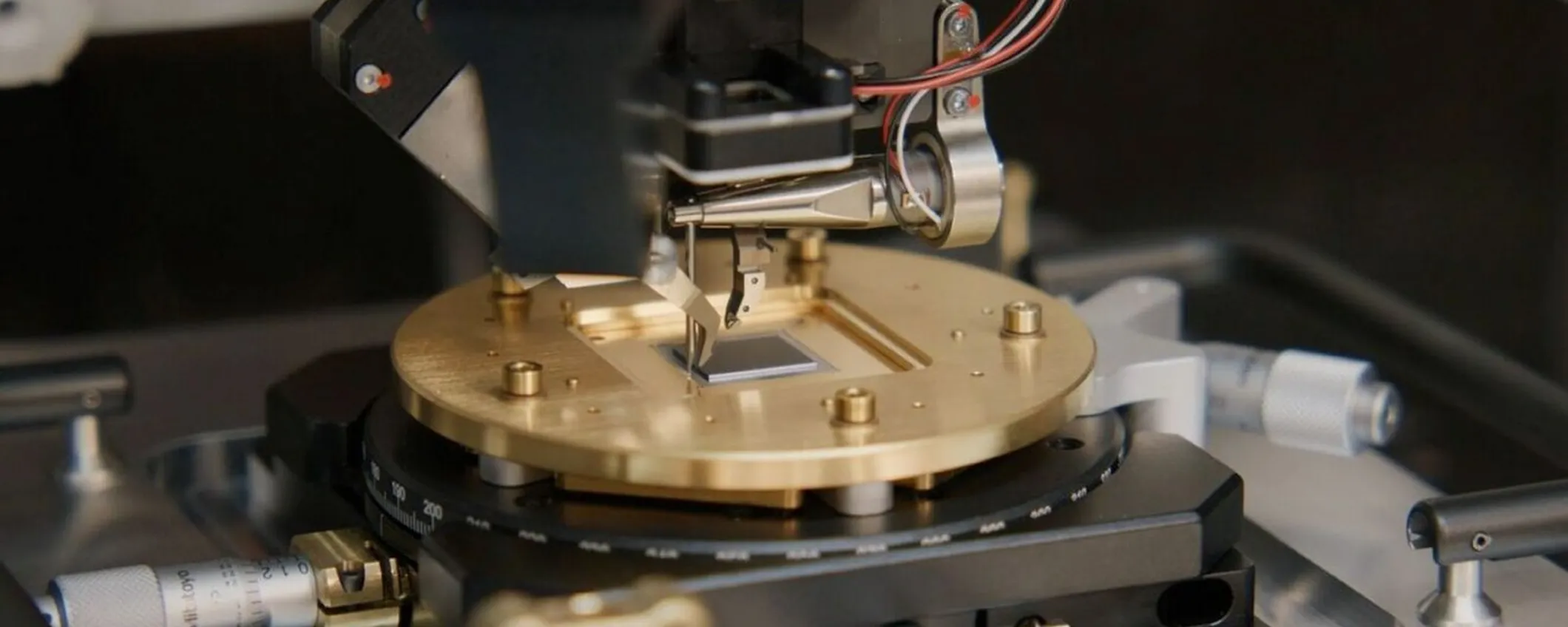
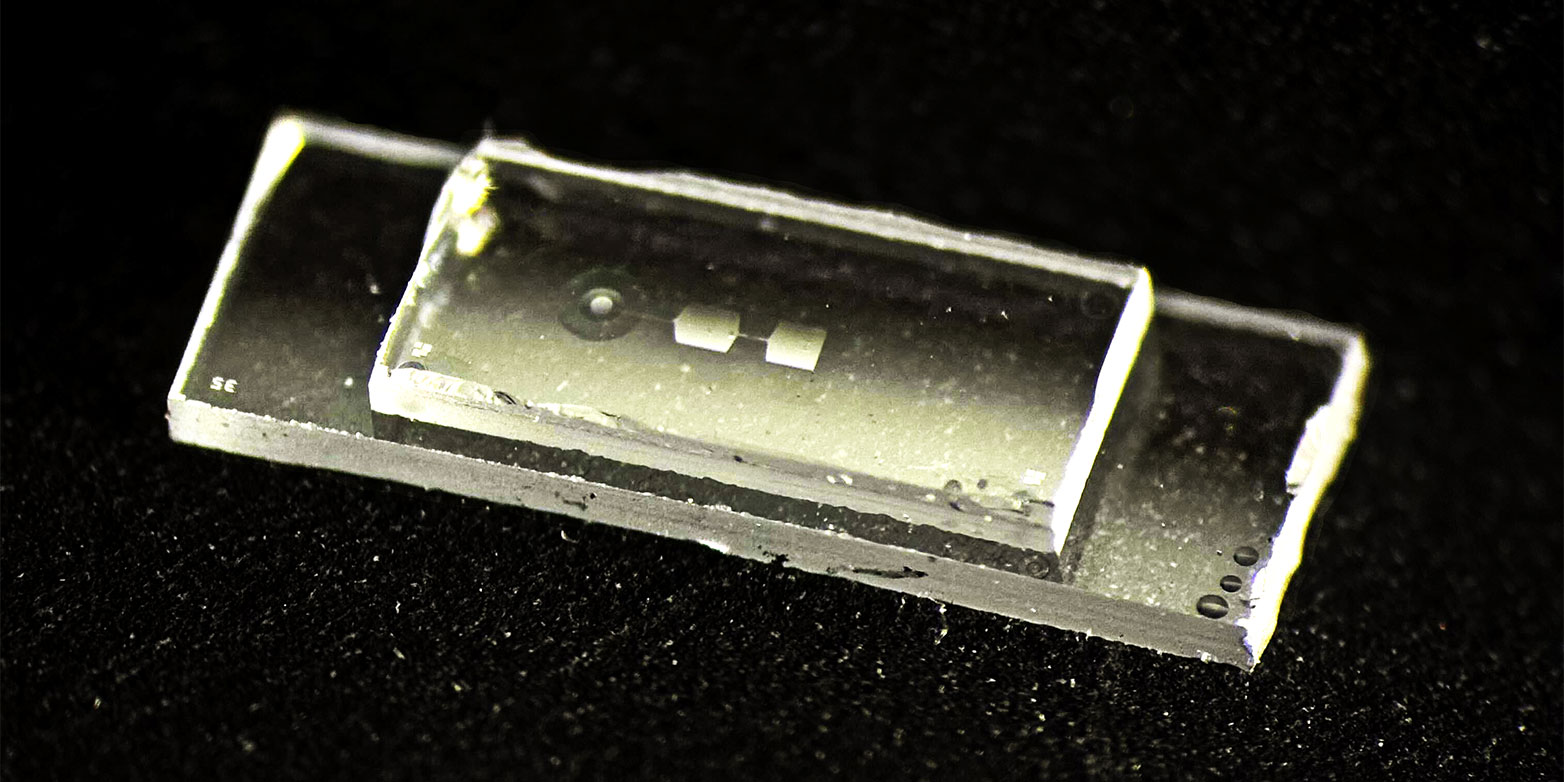
Researchers at ETH Zurich have engineered a hardware architecture for quantum computers that separates processing from working memory by utilizing mechanical vibrations instead of electromagnetic fields. Published in Science (“Mechanical resonator–based quantum computing“), the design mirrors classical computing frameworks that isolate a central processing unit (CPU) from random access memory (RAM). By storing information as acoustic oscillations within mechanical resonators, the hybrid platform increases on-chip storage capacity, extends coherence windows, and reduces the physical footprint of the memory hardware.