HomeAI · summaries
Storia in 3 fonti
ETH Zurich Combines Superconducting Qubits with Mechanical Resonators to Build Vibrating Quantum RAM - Quantum Computing Report
Researchers at ETH Zurich have engineered a hardware architecture for quantum computers that separates processing from working memory by utilizing mechanical vibrations instead of electromagnetic fields. Published in Science (“Mechanical resonator–based quantum computing“), the design mirrors classical computing frameworks that isolate a central processing unit (CPU) from random access memory (RAM). By storing information as acoustic oscillations within mechanical resonators, the hybrid platform increases on-chip storage capacity, extends coherence windows, and reduces the physical footprint of the memory hardware. The Physics of Acoustic Qubit Memory Storage Many quantum computing models tightly integrate processing and storage, or rely on electromagnetic cavities to [...]
Confronto fonti
3 prospettive sulla stessa storiaTimeline cronologica
- ·
thequantuminsider.com
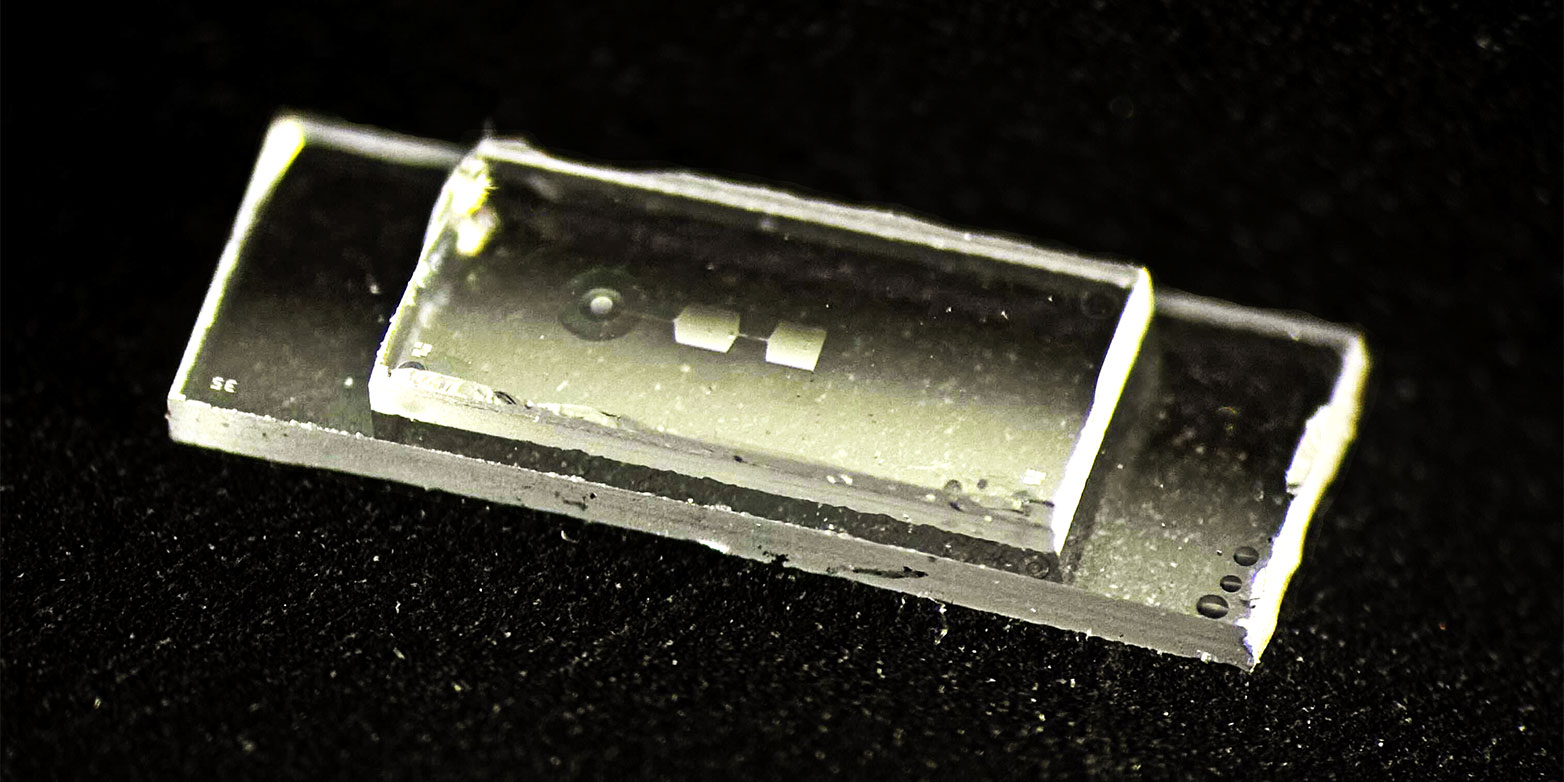
ETH Zurich Demonstrates Quantum Computer Architecture With Mechanical Working Memory
ETH Zurich researchers demonstrated a new quantum computer architecture that uses mechanical vibrations as a quantum working memory.
- ·
quantumcomputingreport.com
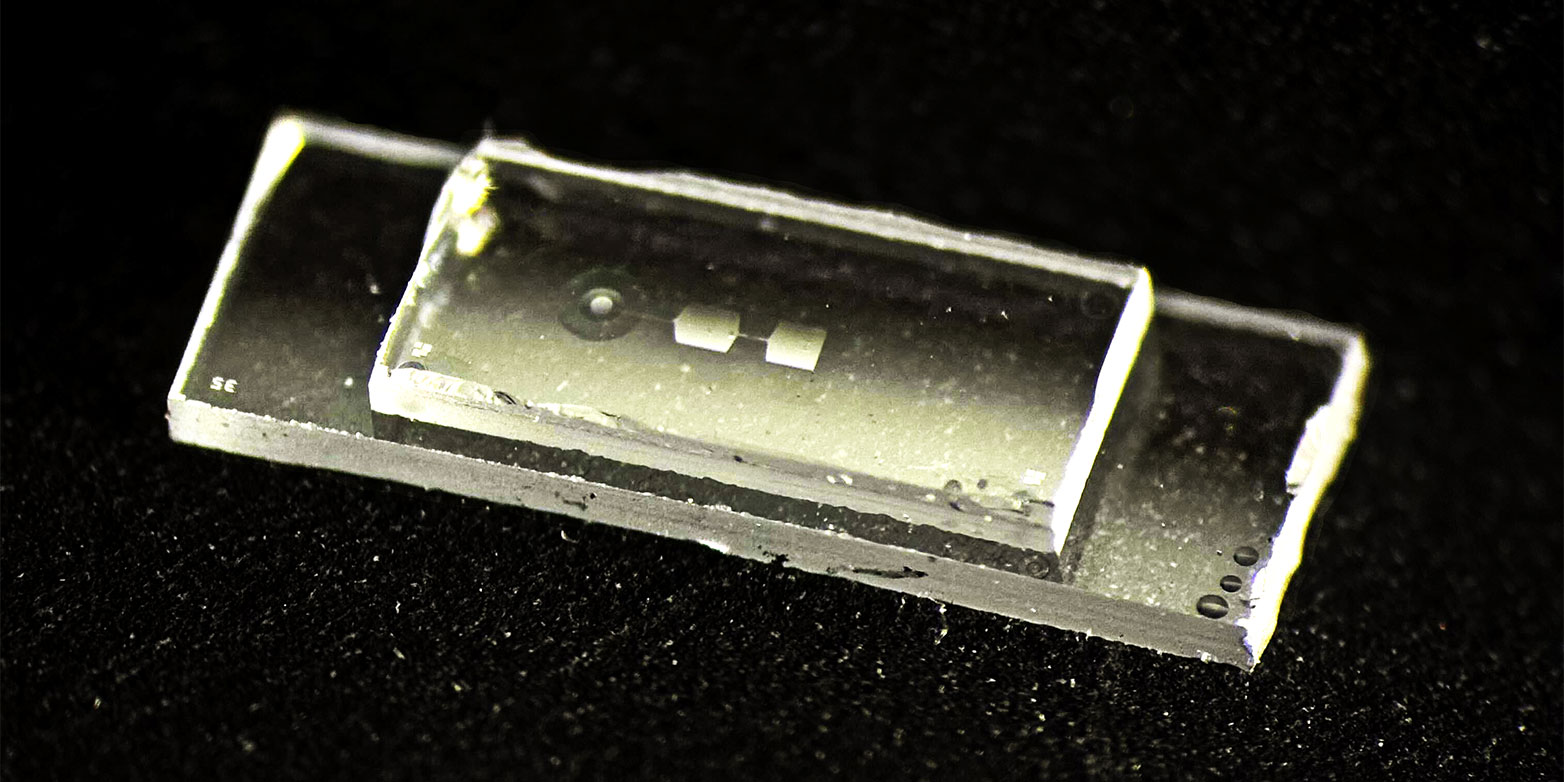
ETH Zurich Combines Superconducting Qubits with Mechanical Resonators to Build Vibrating Quantum RAM - Quantum Computing Report
Researchers at ETH Zurich have engineered a hardware architecture for quantum computers that separates processing from working memory by utilizing mechanical vibrations instead of…