Skip to content
GQINewsNews Archive 2025News Archive 2024News Archive 2023News Archive 2022News Archive 2021News Archive 2020News Archive 2019News Archive 2018News Archive 2015-2017AnalysisQnalysisPlayersPublic CompaniesPrivate/Startup CompaniesUniversitiesGovernment/Non-ProfitVenture CapitalVenture Capital – Sorted by Quantum CompanyResourcesConferencesToolsOther Websites and Industry AssociationsEducationBooksScorecardsGate Level Software PlatformsIBM Qiskit, Rigetti Forest, Microsoft QDK, Project QReview of the Cirq Quantum Software FrameworkQubit Implementation DashboardQubit CountQubit QualityQubit TechnologySoftware/Startup PartnersCloud Platform Hardware PartnersPodcastsAboutQCR Alerts Sign-Up FormAdvertising InquiriesQCR in the NewsContactPrivacy PolicyMembership
HKU Engineering Develops World-First Cryogenic Neuromorphic Chip to Advance Quantum Scaling
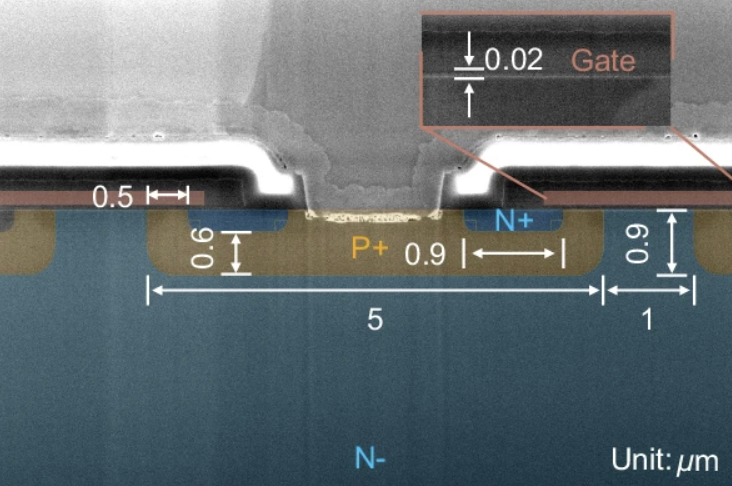
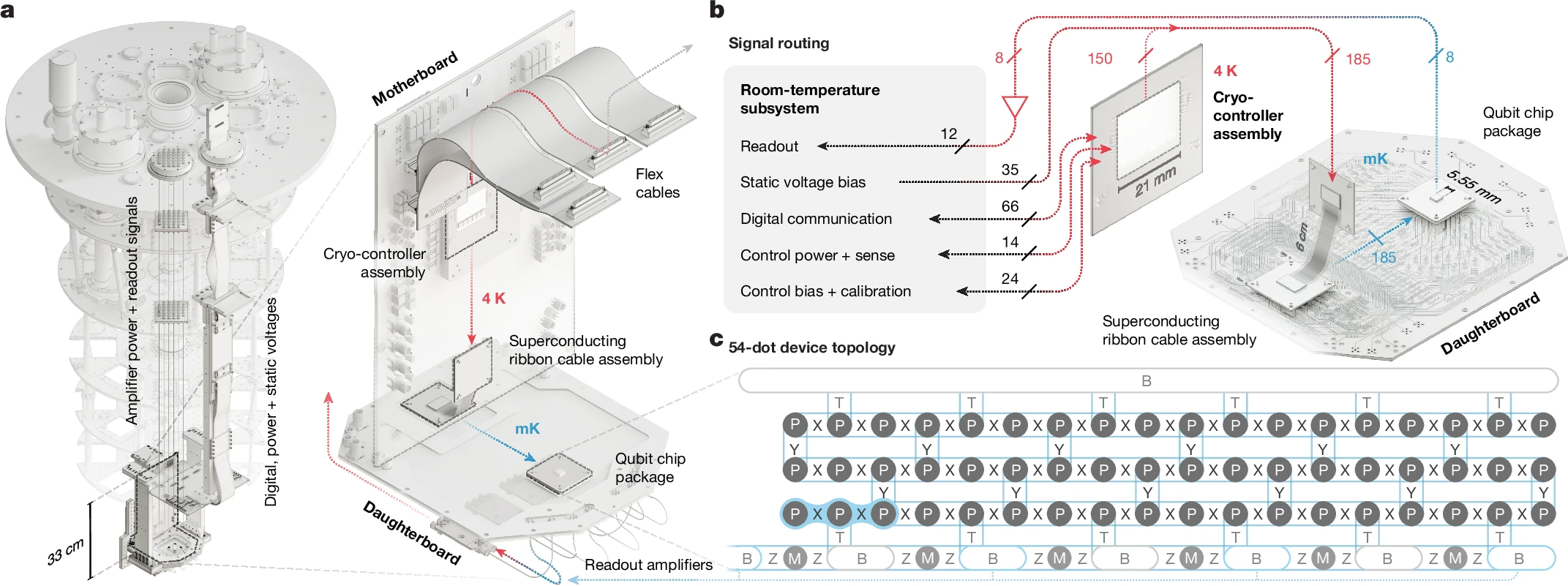
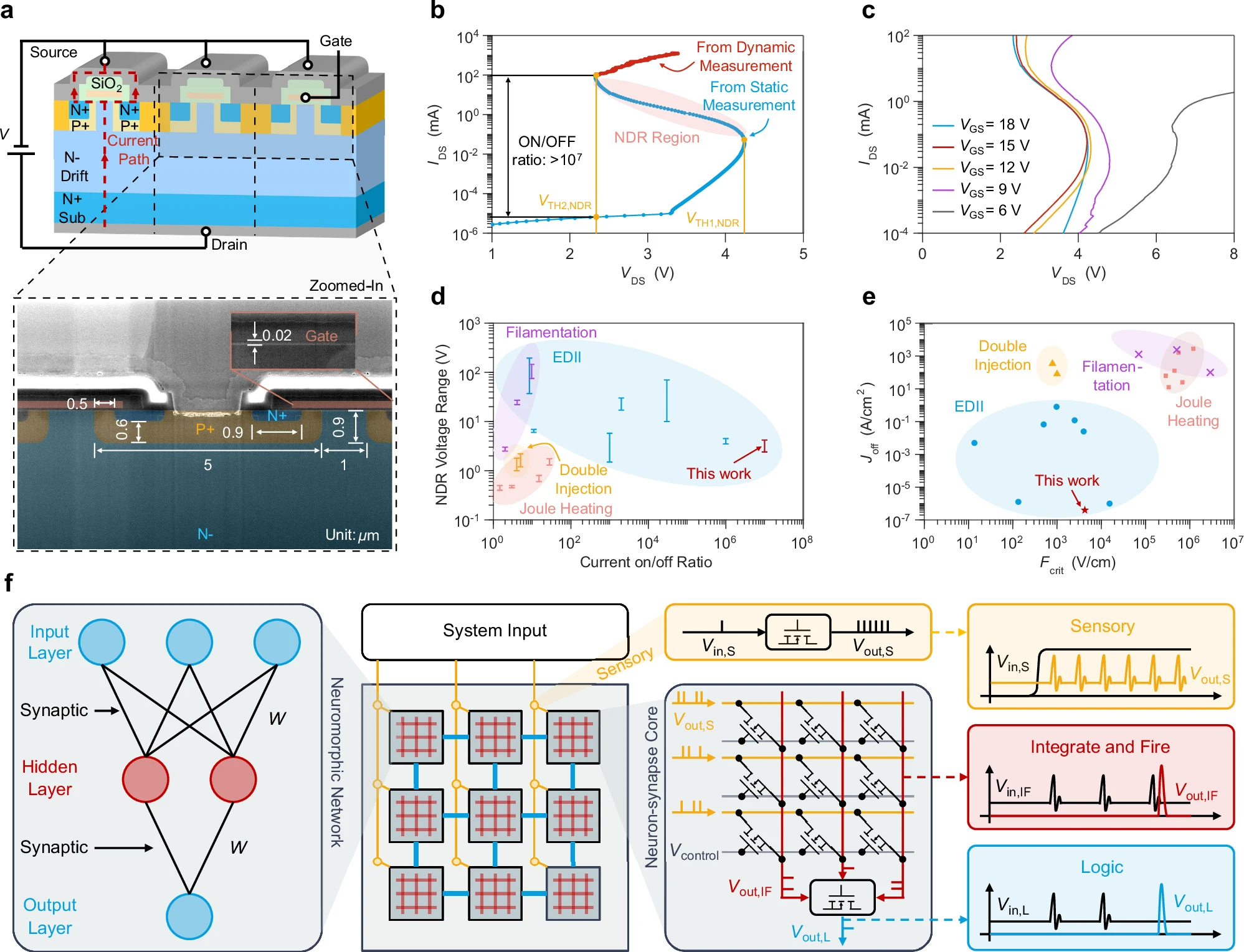
Solid-state electronics researchers from the University of Hong Kong’s (HKU) Department of Electrical and Computer Engineering, working alongside the Centre for Advanced Semiconductors and Integrated Circuits (CASIC), have achieved a significant material physics breakthrough in cryogenic electronics. Led by Professor Yuhao Zhang and PhD student Xin Yang, the team has engineered a programmable, brain-like neuromorphic hardware platform that operates near absolute zero (10 mK). Published in Nature Communications, the study demonstrates how the intrinsic atomic properties of industry-standard Silicon Carbide (SiC) power transistors can be harnessed to construct energy-efficient, local data processing networks inside quantum dilution refrigerators. This milestone introduces a practical pathway to eliminate the severe wiring bottlenecks that currently limit the scalability of universal quantum computers.