Insider Brief
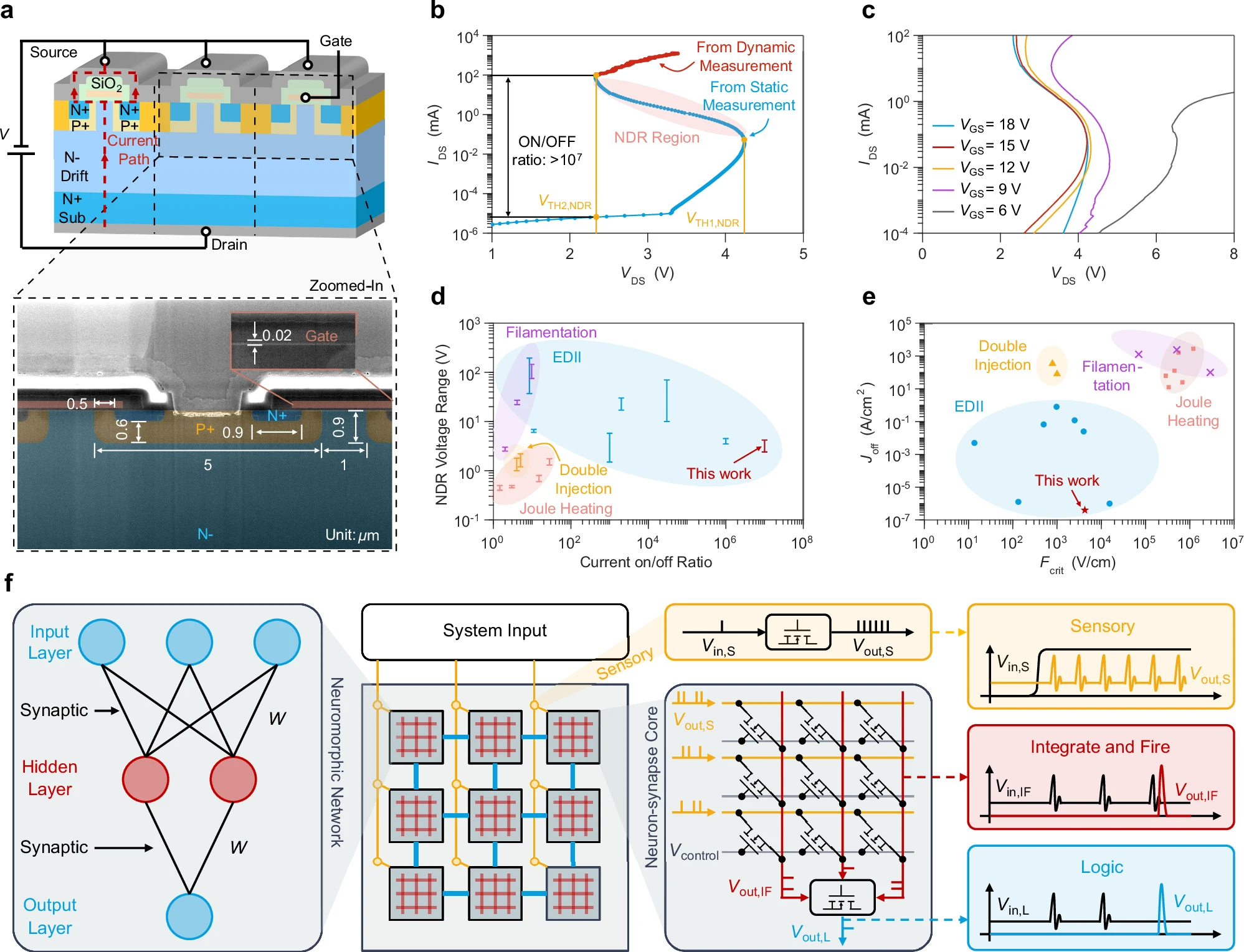
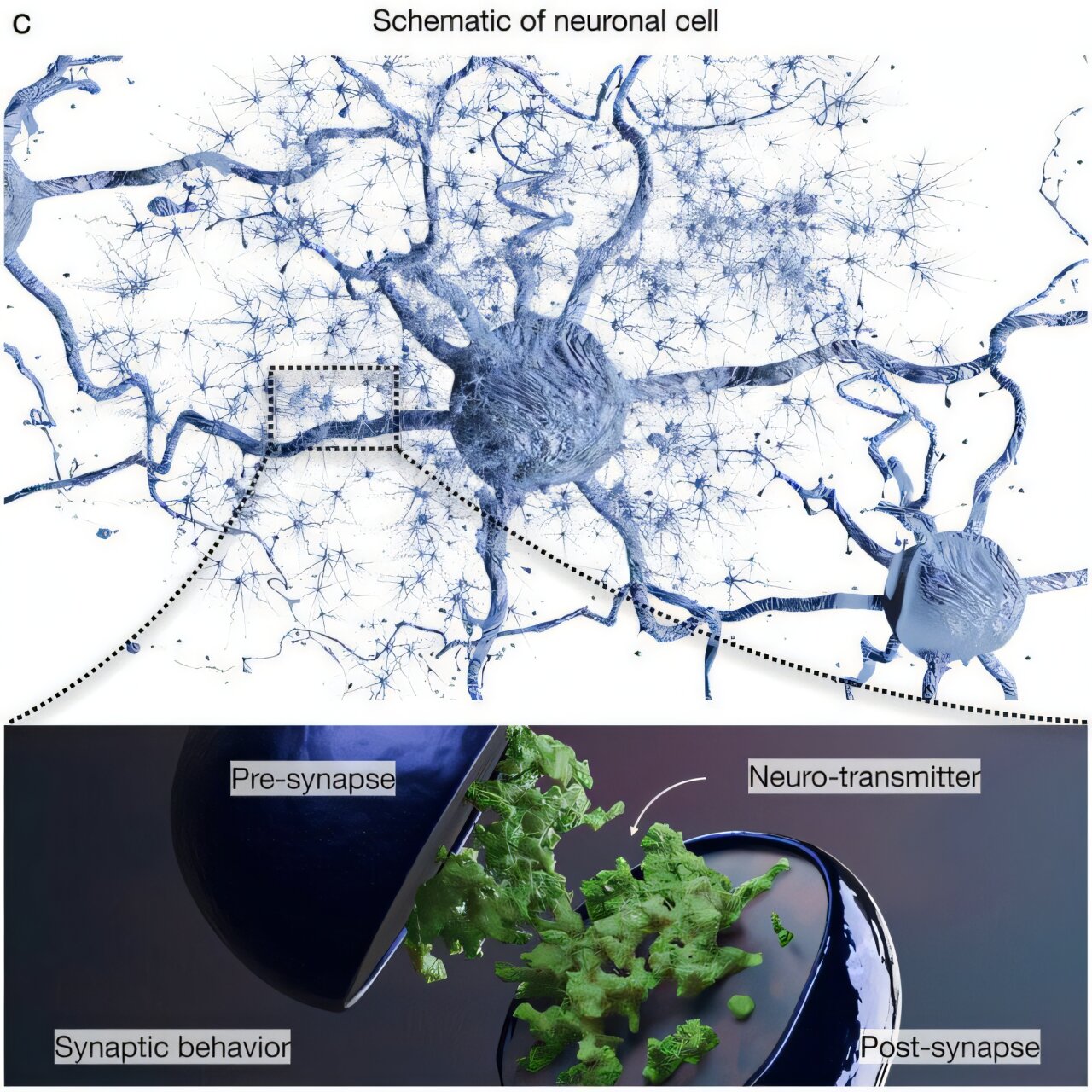
Researchers at the Hong Kong University developed a cryogenic neuromorphic hardware platform using silicon carbide transistors that can mimic neuron-like spiking behavior at temperatures as low as 10 millikelvin, potentially addressing a key scaling challenge in quantum computing.
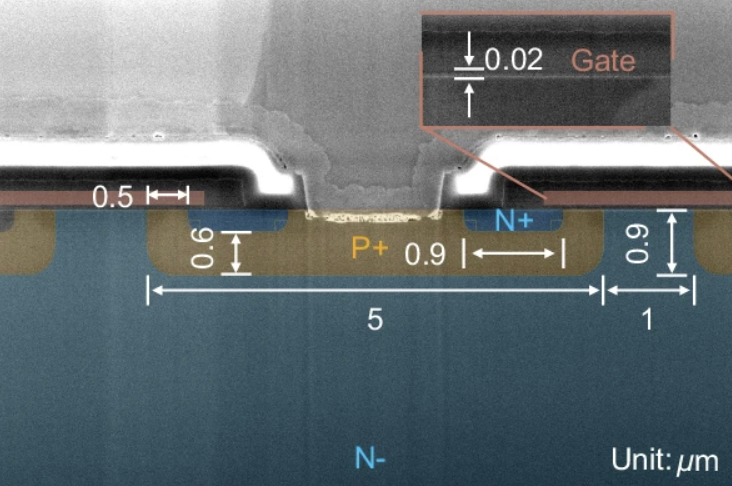
The team demonstrated that industry-standard silicon carbide MOSFETs exhibit a stable form of negative differential resistance at ultra-low temperatures, enabling energy-efficient local processing that could reduce heat generation and wiring demands in quantum control systems.
Published in the journal Nature Communications, the research suggests the technology could support applications ranging from quantum error correction and real-time qubit control to electronics designed for the extreme cold conditions of deep-space missions.
PRESS RELEASE — Researchers from Department of Electrical and Computer Engineering under the Faculty of Engineering at the University of Hong Kong (HKU) and the Centre for Advanced Semiconductors and Integrated Circuits (CASIC), have achieved a major breakthrough in cryogenic electronics. The team have developed a programmable neuromorphic hardware platform that operates near absolute zero, providing a potential solution for scaling up quantum computers and enabling deep-space exploration.