HomeAI · summaries
Storia in 2 fonti
HKU Engineering Develops World-First Cryogenic Neuromorphic Chip to Advance Quantum Scaling - Quantum Computing Report
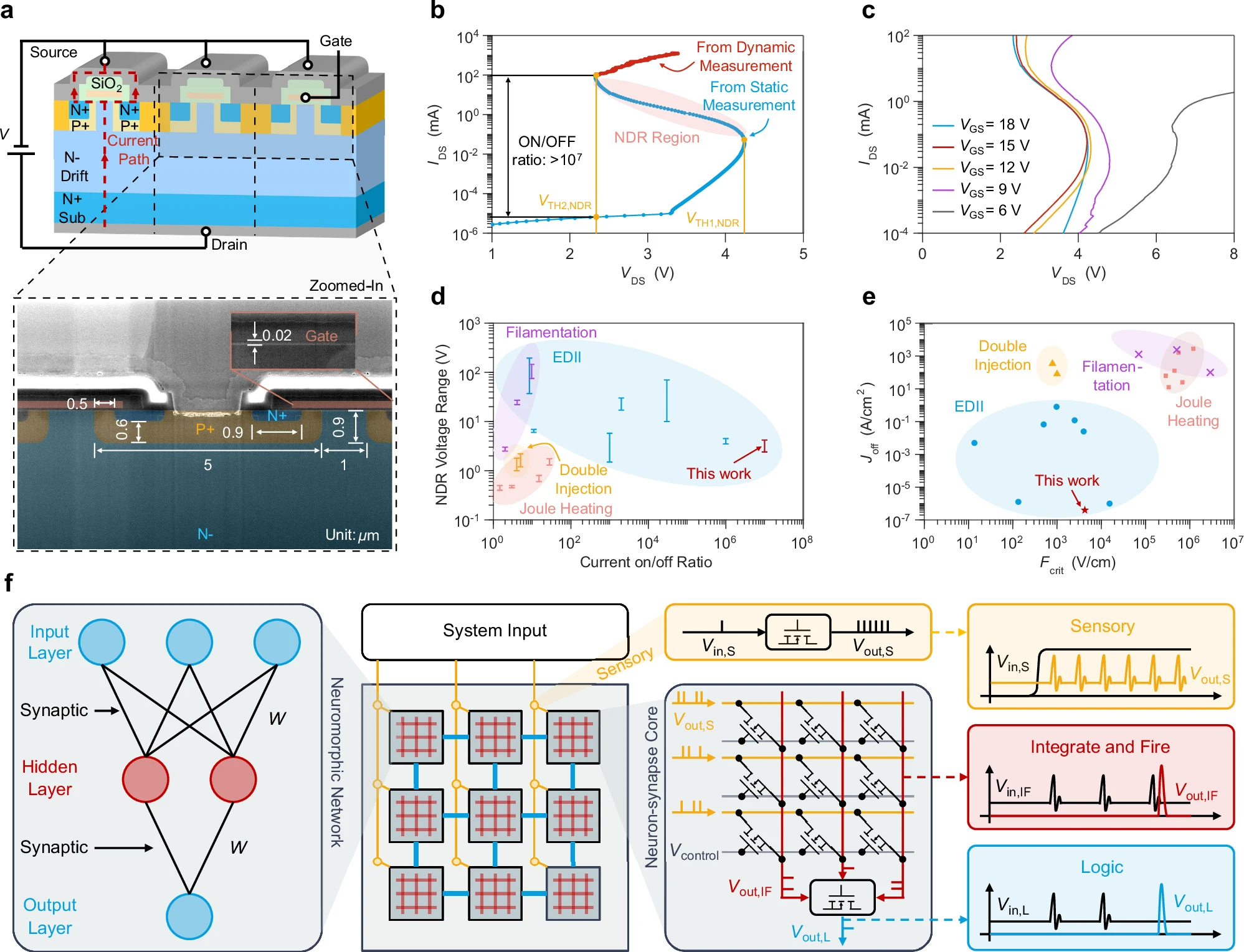
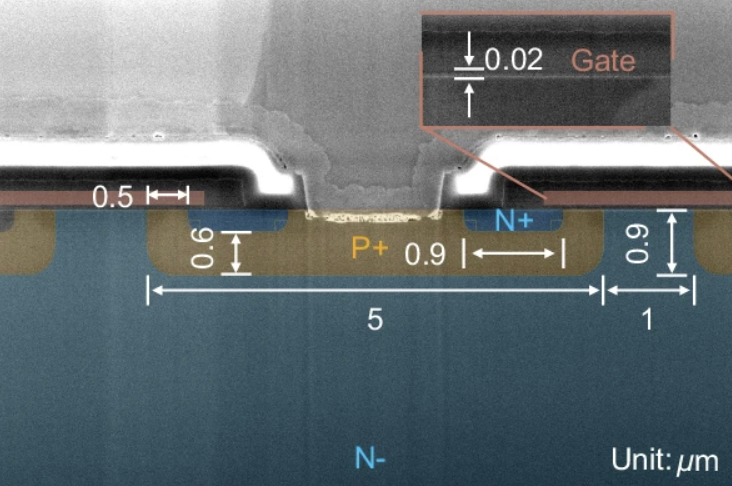
Solid-state electronics researchers from the University of Hong Kong’s (HKU) Department of Electrical and Computer Engineering, working alongside the Centre for Advanced Semiconductors and Integrated Circuits (CASIC), have achieved a significant material physics breakthrough in cryogenic electronics. Led by Professor Yuhao Zhang and PhD student Xin Yang, the team has engineered a programmable, brain-like neuromorphic hardware platform that operates near absolute zero (10 mK). Published in Nature Communications, the study demonstrates how the intrinsic atomic properties of industry-standard Silicon Carbide (SiC) power transistors can be harnessed to construct energy-efficient, local data processing networks inside quantum dilution refrigerators. This milestone introduces a practical [...]
Confronto fonti
2 prospettive sulla stessa storiaTimeline cronologica
- ·
quantumcomputingreport.com
Nu Quantum Demonstrates Subsystem Erasure Tolerance in Networked QPU Architectures - Quantum Computing Report
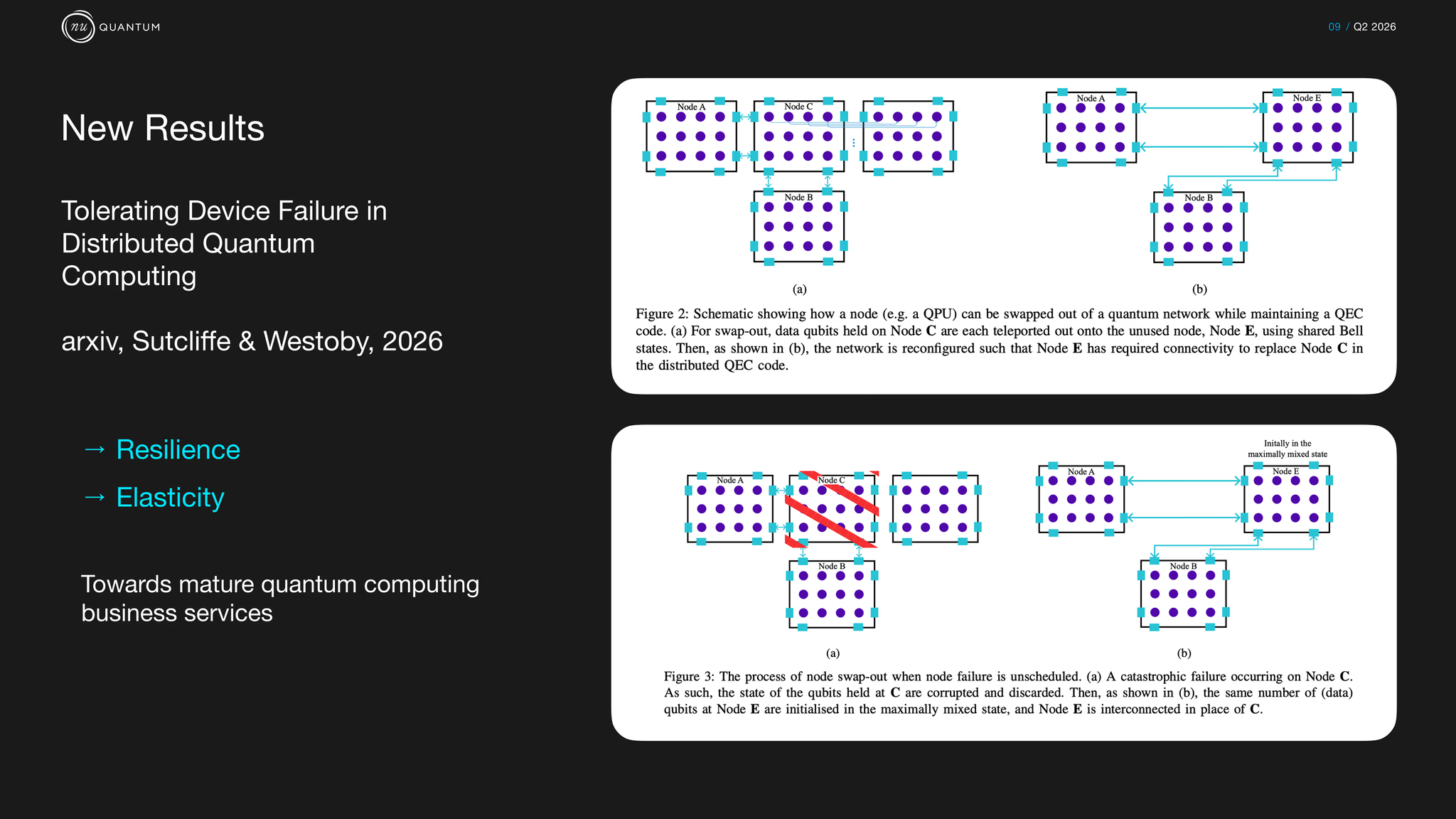
Distributed quantum hardware developer Nu Quantum Ltd. has reported structural mechanics and numerical simulations validating a fault-tolerant network framework capable of…
- ·
thequantuminsider.com
HKU Engineering Develops 'Brain-Like' Chip to Advance Quantum Computing And Deep-Space Exploration