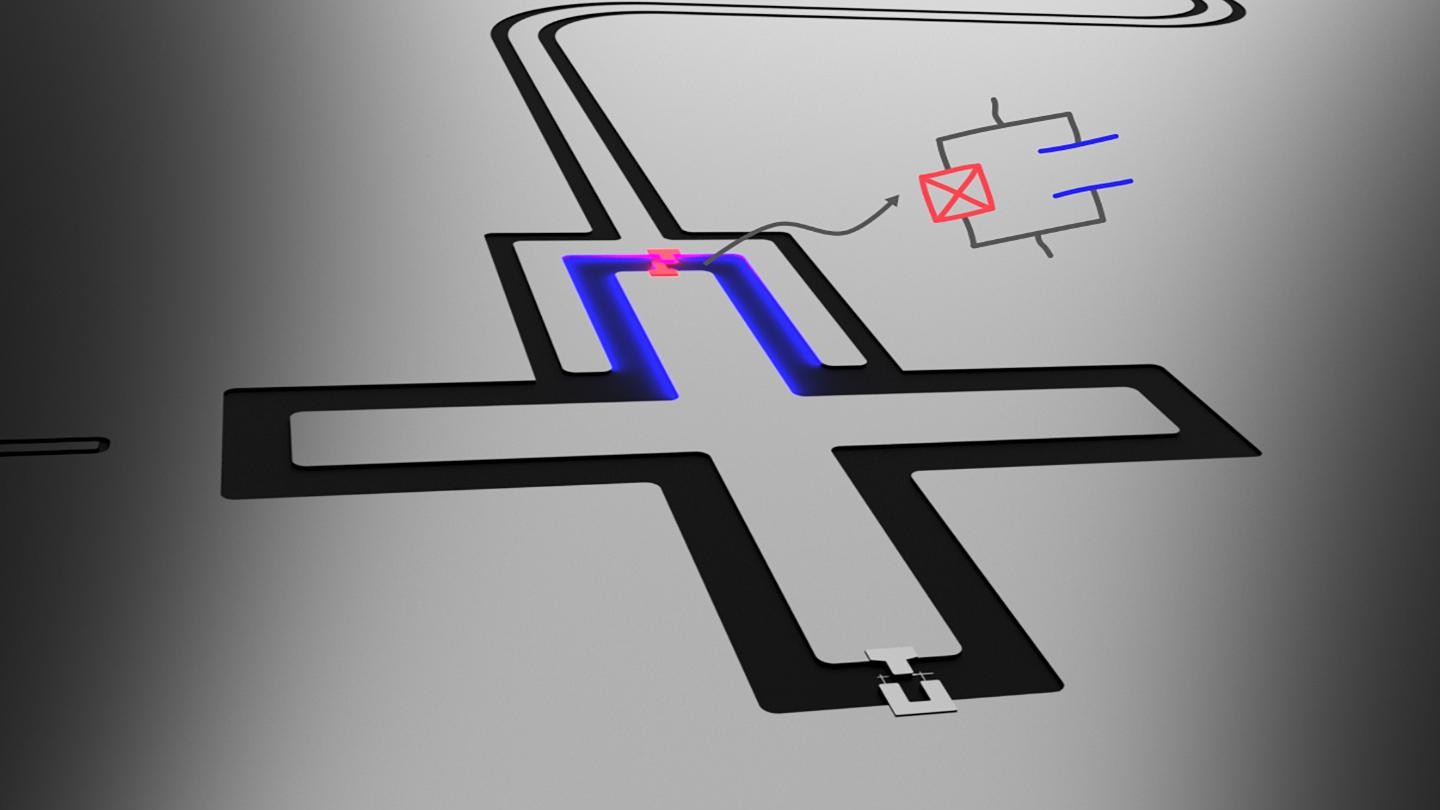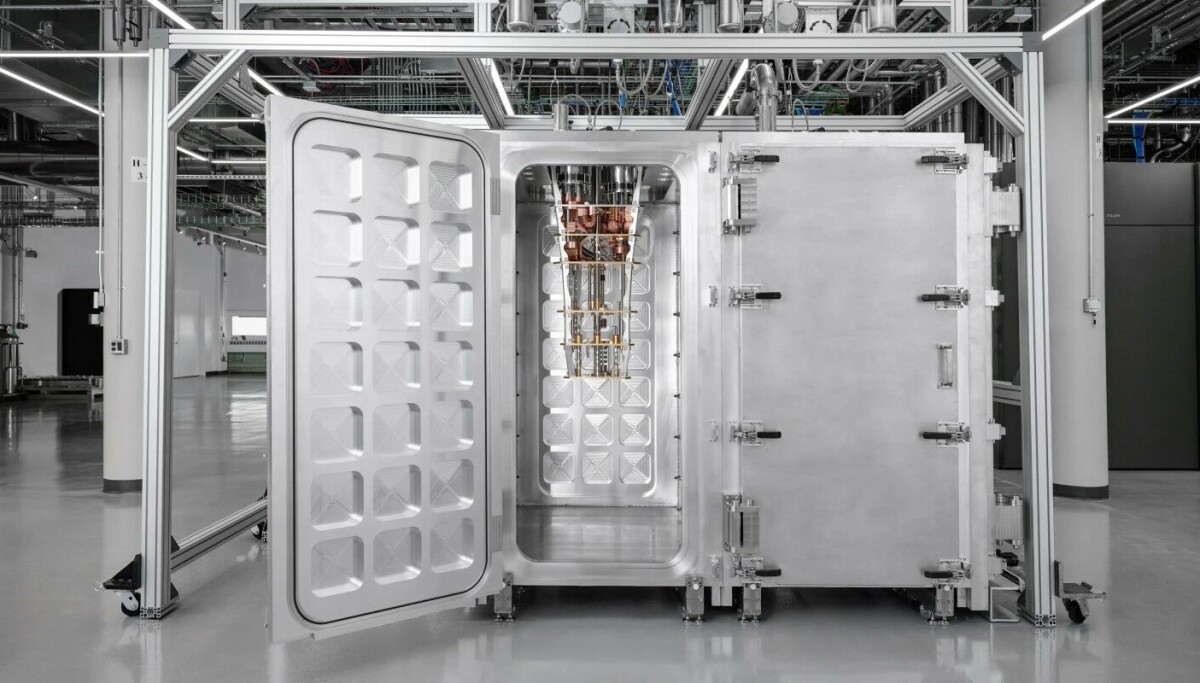
A newly developed superconducting quantum heat engine could deepen our understanding of thermodynamics while helping advance technologies needed for quantum computers with very large numbers of qubits.
Scientists are getting a clearer picture of how thermodynamics behaves in the quantum world, and that progress could benefit both quantum technology and our understanding of familiar thermodynamic principles. Researchers at Aalto University have now taken an important step by demonstrating the first cyclic quantum heat engine built inside a superconducting circuit.
The experiment connects two areas of physics that normally describe very different scales. Quantum mechanics explains the behavior of matter at extremely small scales, even below the size of atoms, while thermodynamics describes how heat and energy behave in much larger systems, from collections of molecules to the universe itself. Bringing the two together raises a fundamental question: what happens to familiar thermodynamic processes when quantum effects such as tunneling, entanglement, and superposition enter the picture?
A Heat Engine Built for the Quantum World
Conventional heat engines turn heat into useful work. James Watt's steam engine is one famous example, but the same basic concept remains central to modern transportation and electricity production, powering cars, ships, planes and many power plants.