Quantum materials could reshape fields as varied as high-performance computing, secure communication, sensitive detection, and energy production. Yet one persistent limitation has kept most of them from becoming practical technologies.
Almost every quantum material discovered so far works only when cooled to temperatures near absolute zero. At ordinary temperatures, heat causes atoms to vibrate constantly. Those vibrations disrupt the fragile quantum effects researchers want to control.
Suppressing this motion typically requires large cryogenic refrigeration systems. As a result, quantum materials can perform remarkable tasks in carefully controlled laboratories, but they are difficult and expensive to use in real-world devices.
A Quantum Material That Works at Room Temperature
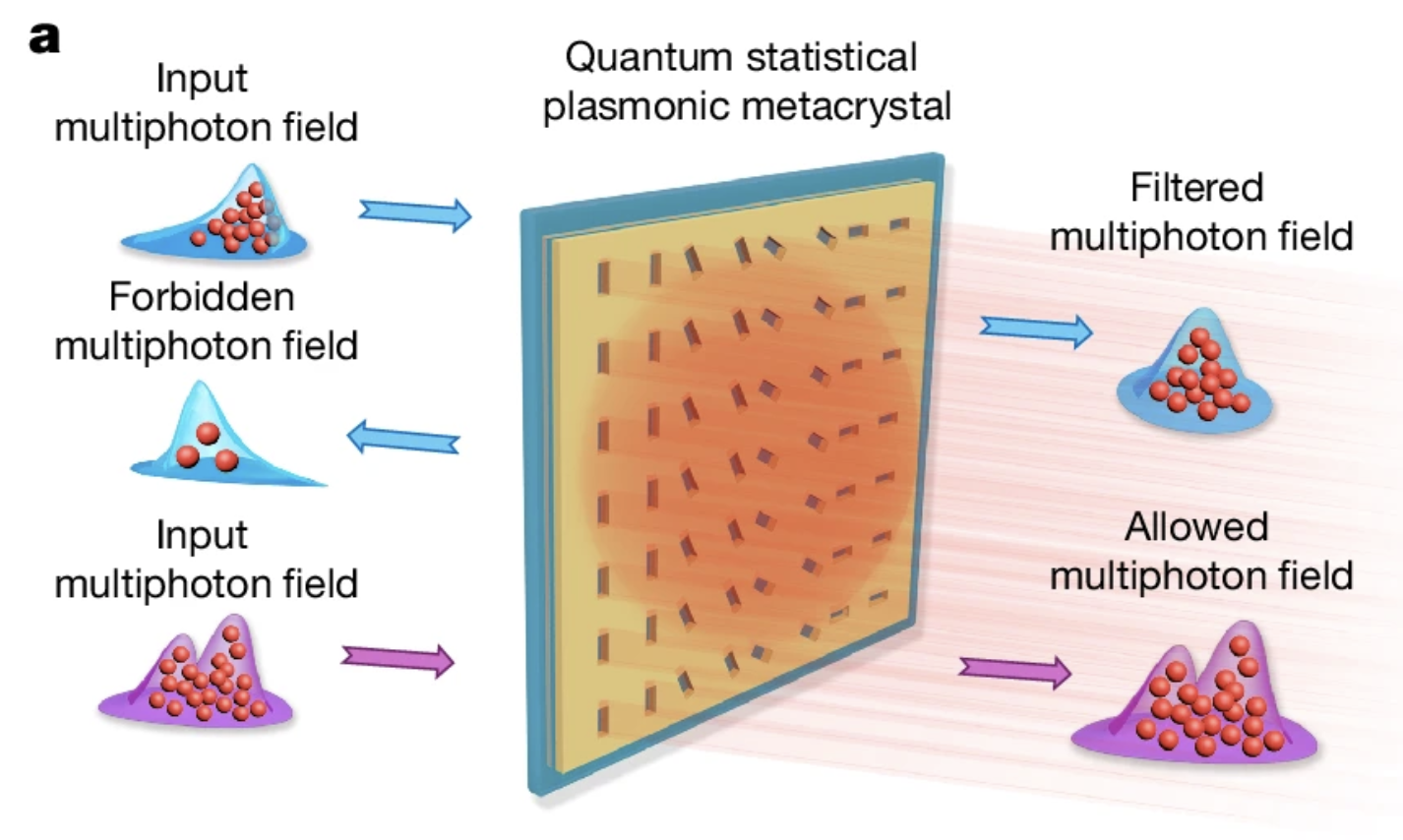
LSU physicists have now created the first room-temperature quantum material able to identify and transport distinct quantum states of light. The advance, reported in Nature, addresses one of the most significant barriers in quantum materials research.