Insider Brief
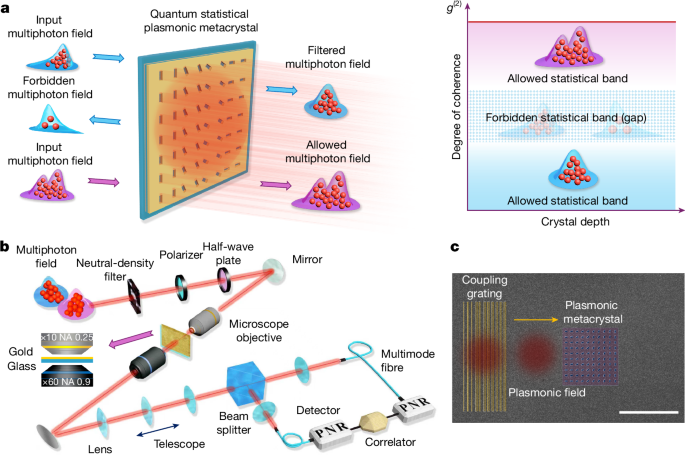
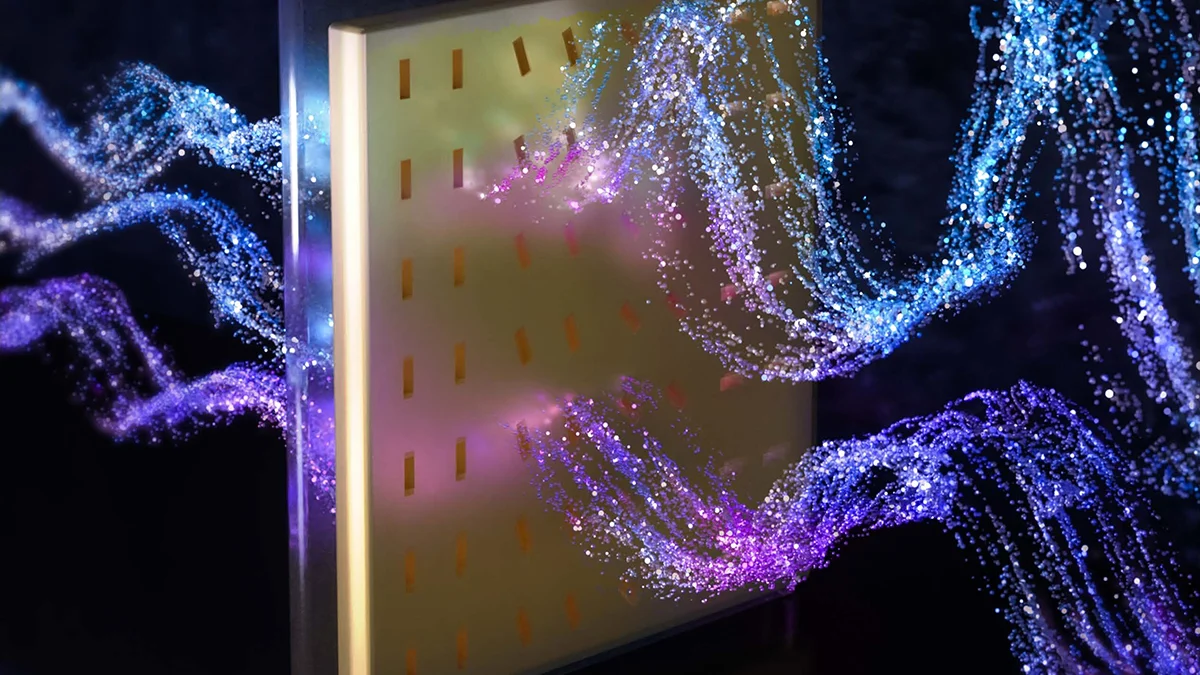
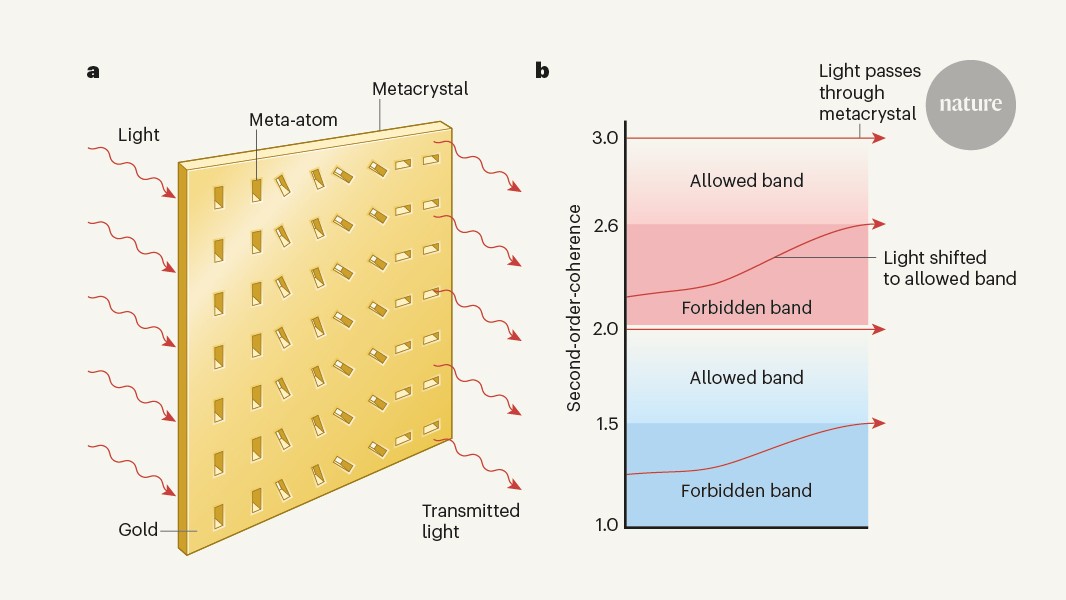
Researchers demonstrated a new class of room-temperature quantum materials that selectively transmit or suppress different quantum states of light by engineering “allowed” and “forbidden” statistical bands, a capability that could support future quantum technologies and energy applications.
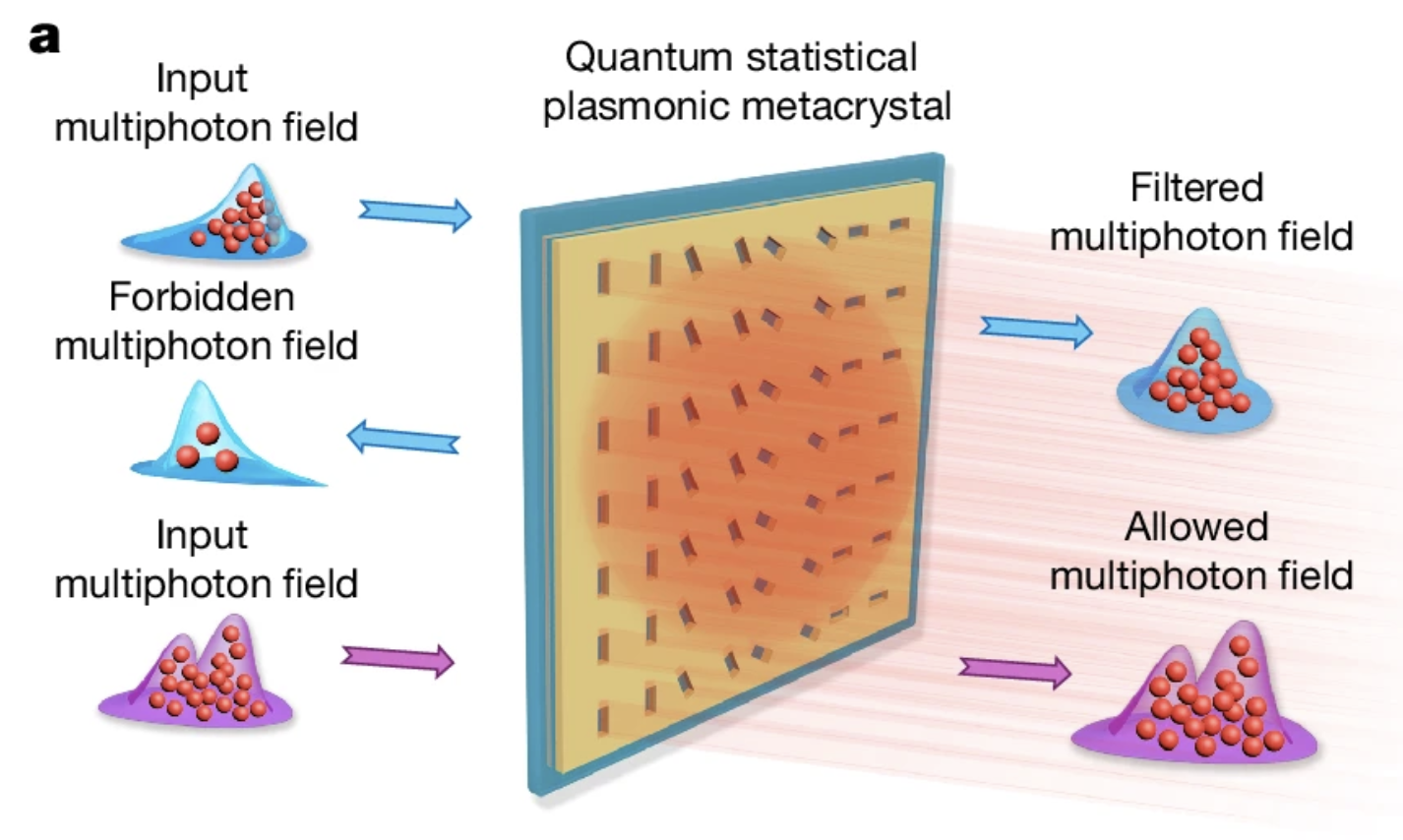
The study showed that plasmonic metacrystals made from arrays of gold nanoantennas can manipulate the statistical properties of multiphoton light while preserving allowed quantum states as they propagate through the material.
The researchers said the approach could provide a new platform for controlling many-body quantum systems, with potential long-term applications in photonic quantum computing, quantum communications and coherence-sensitive energy-harvesting technologies.
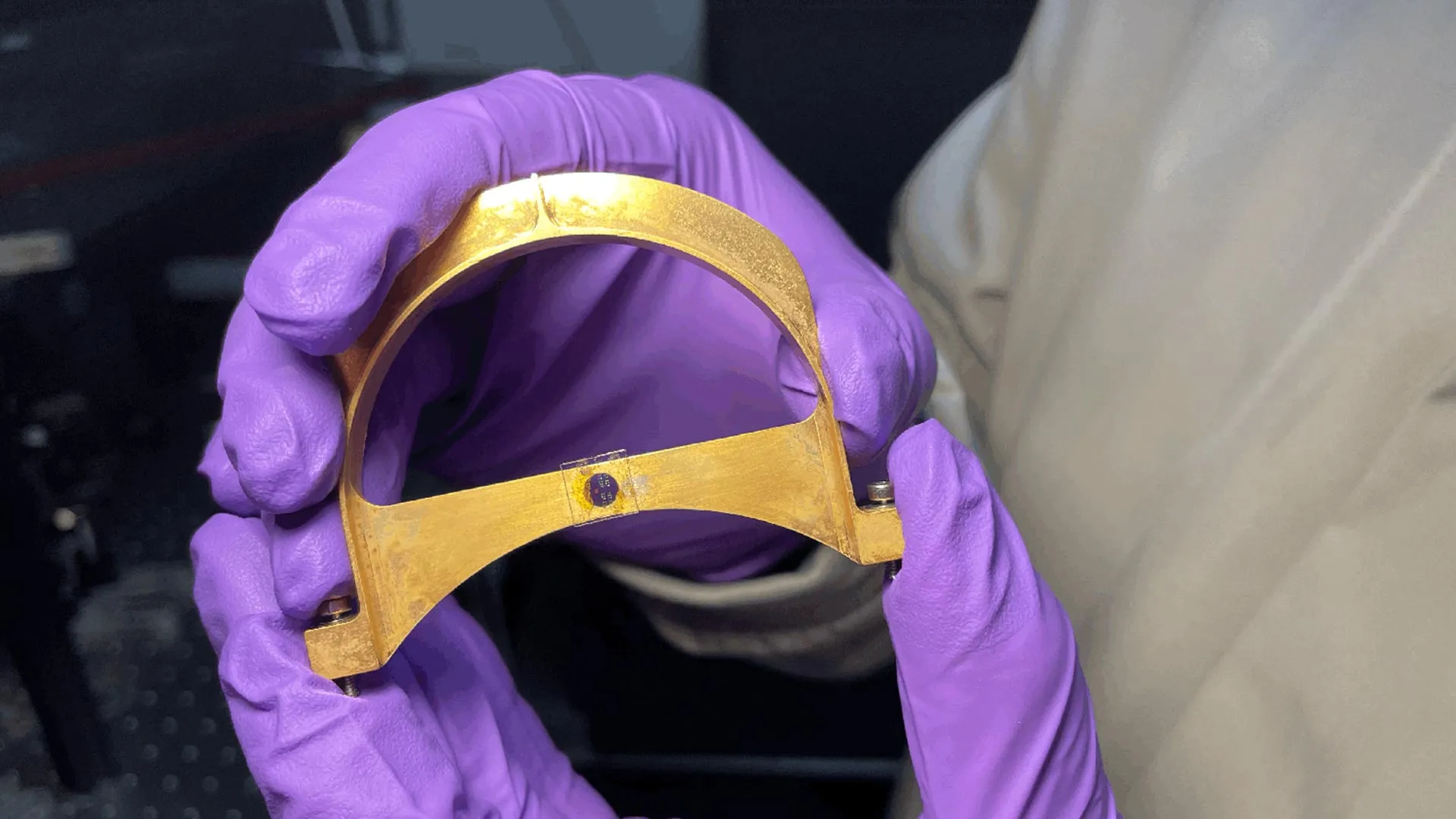
A Louisiana State University-led team of researchers have demonstrated what they describe as a new class of room-temperature quantum materials that can distinguish between different types of quantum light, a capability that could eventually aid the development of photonic quantum computers, quantum communications systems and more efficient energy technologies.