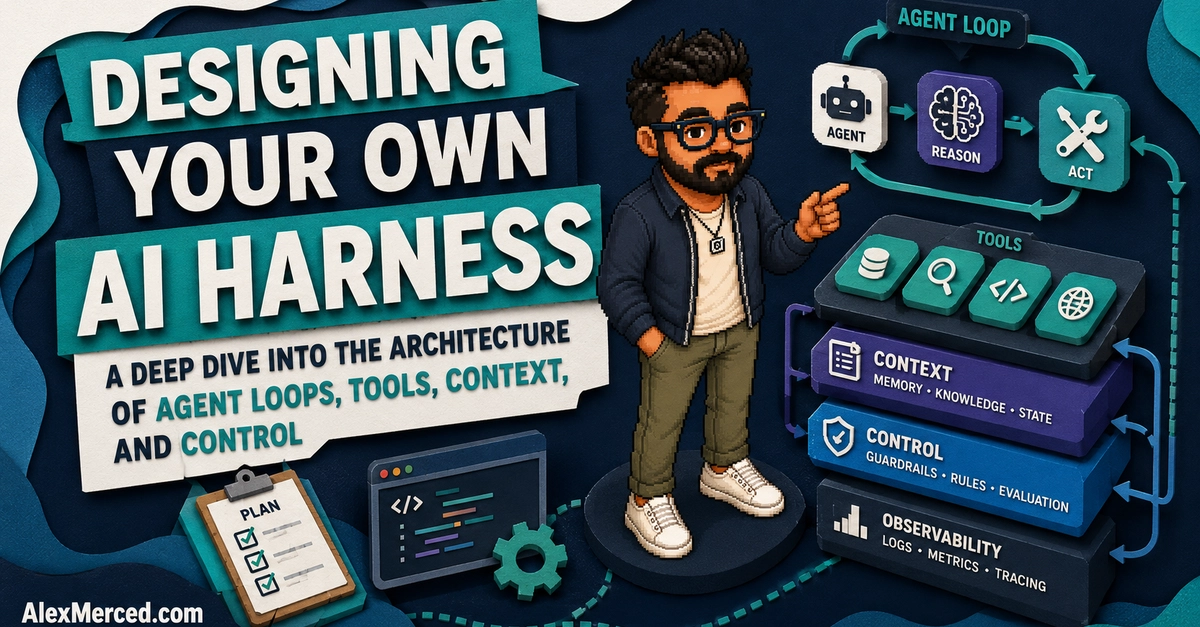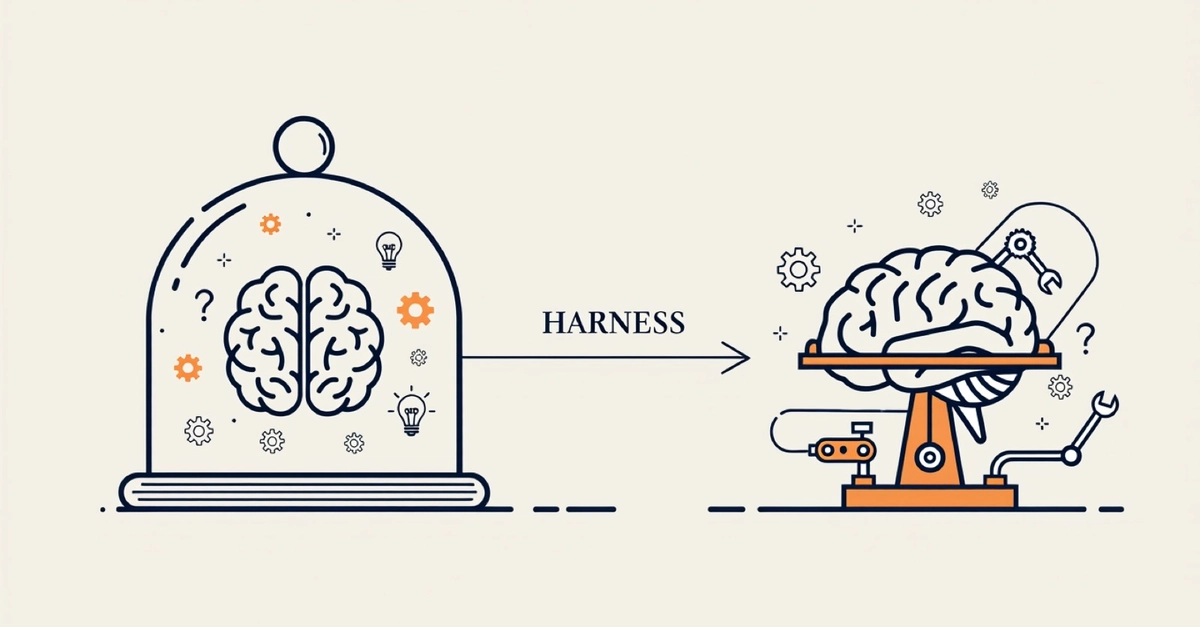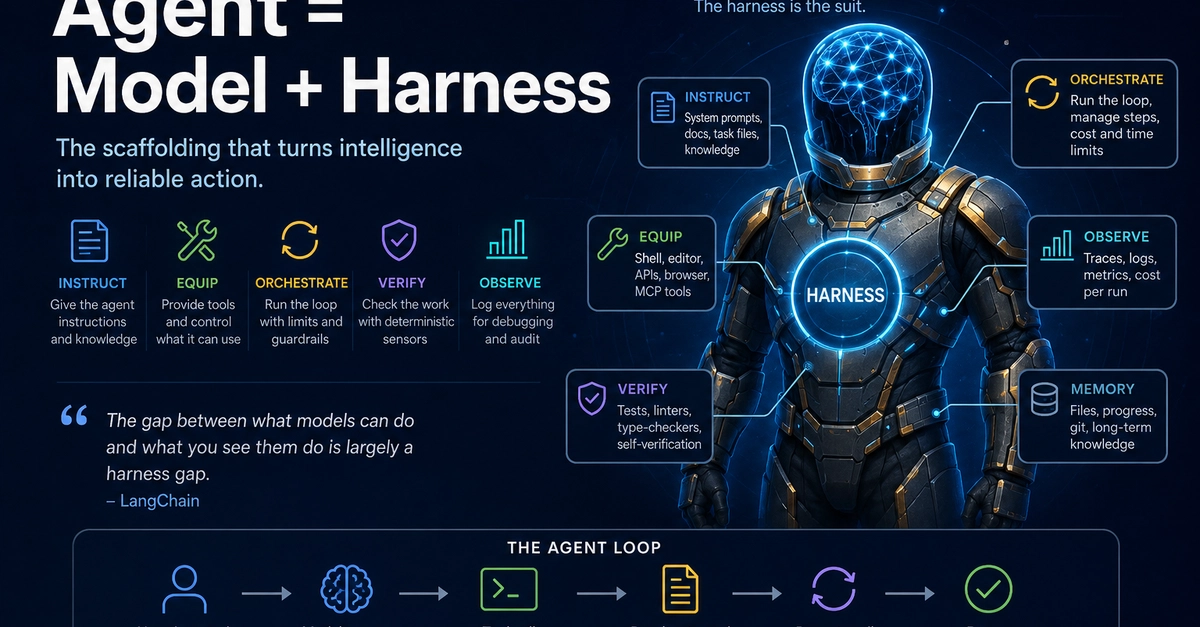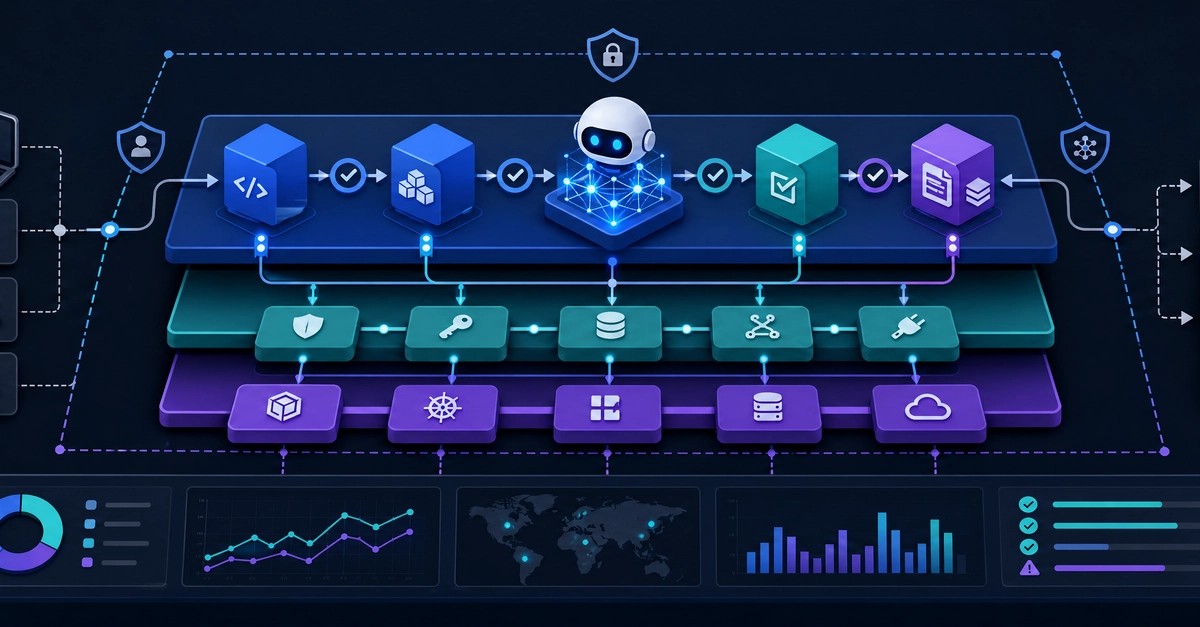
While much focus goes to advances in large language models (LLMs), the performance of an AI application is largely dictated by its runtime harness: the execution logic, system prompts, memory management, and tool configurations that connect a model to the real world.
Developers want custom behavior from their applications, but training a model from scratch or fine-tuning open-weight LLMs is too expensive and fraught with different complexities. For most engineers, the harness is the most accessible lever for control.
As new models drop rapidly, manually updating and crafting these harnesses per model scales poorly. Harness optimization has remained a manual, time-consuming chore.
Recent AI frameworks are reframing this constraint. Instead of relying on manual labor, these frameworks structure the harness so that AI agents can iteratively analyze, test, and optimize their own runtime environments.
The anatomy of an agent harness