Harvard Business Review LogoJuly 13, 2026Steven Puetzer/Getty ImagesPeople don’t learn from feedback simply because they receive it—they learn when the emotions feedback triggers keep their attention focused on improving the work rather than protectingAt a weekly product review meeting, a newly promoted vice president addresses a missed deadline. Her conclusion: The analysis was rushed, key assumptions weren’t tested, and the final recommendation didn’t hold up under scrutiny. After the meeting, the VP meets separately with two members of her team who worked on the project. To both, she delivers the same message: the work fell short, and the approach needs to change.
Great Leaders Know Which Emotions Their Feedback Will Trigger
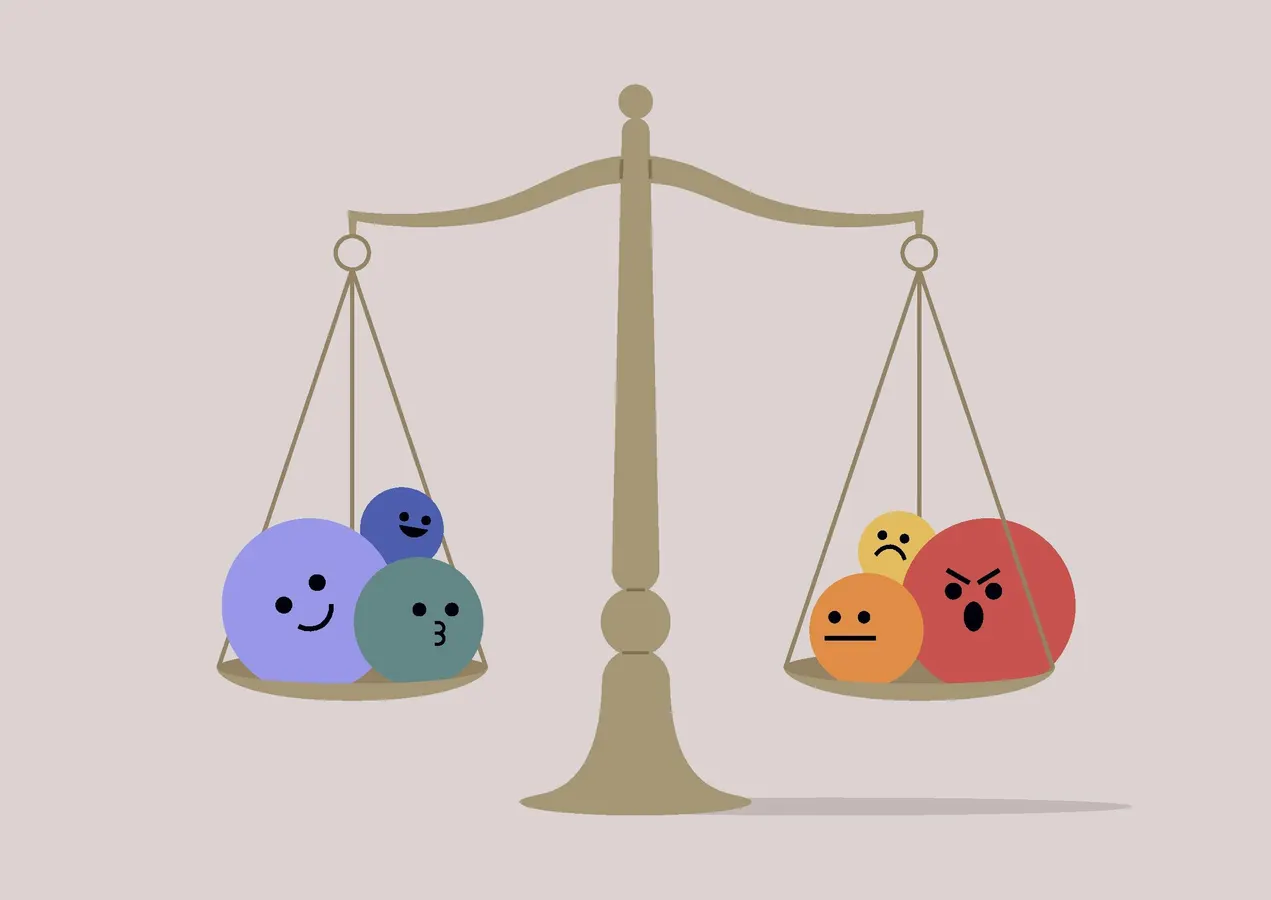
People don’t learn from feedback simply because they receive it—they learn when the emotions feedback triggers keep their attention focused on improving the work rather than protecting themselves. Drawing on more than a decade of research, the authors explain which emotions promote learning, which inhibit it, and why even well-intentioned feedback often backfires. They conclude with six practical techniques leaders can use to create feedback that motivates improvement instead of defensiveness.
102 words~1 min read