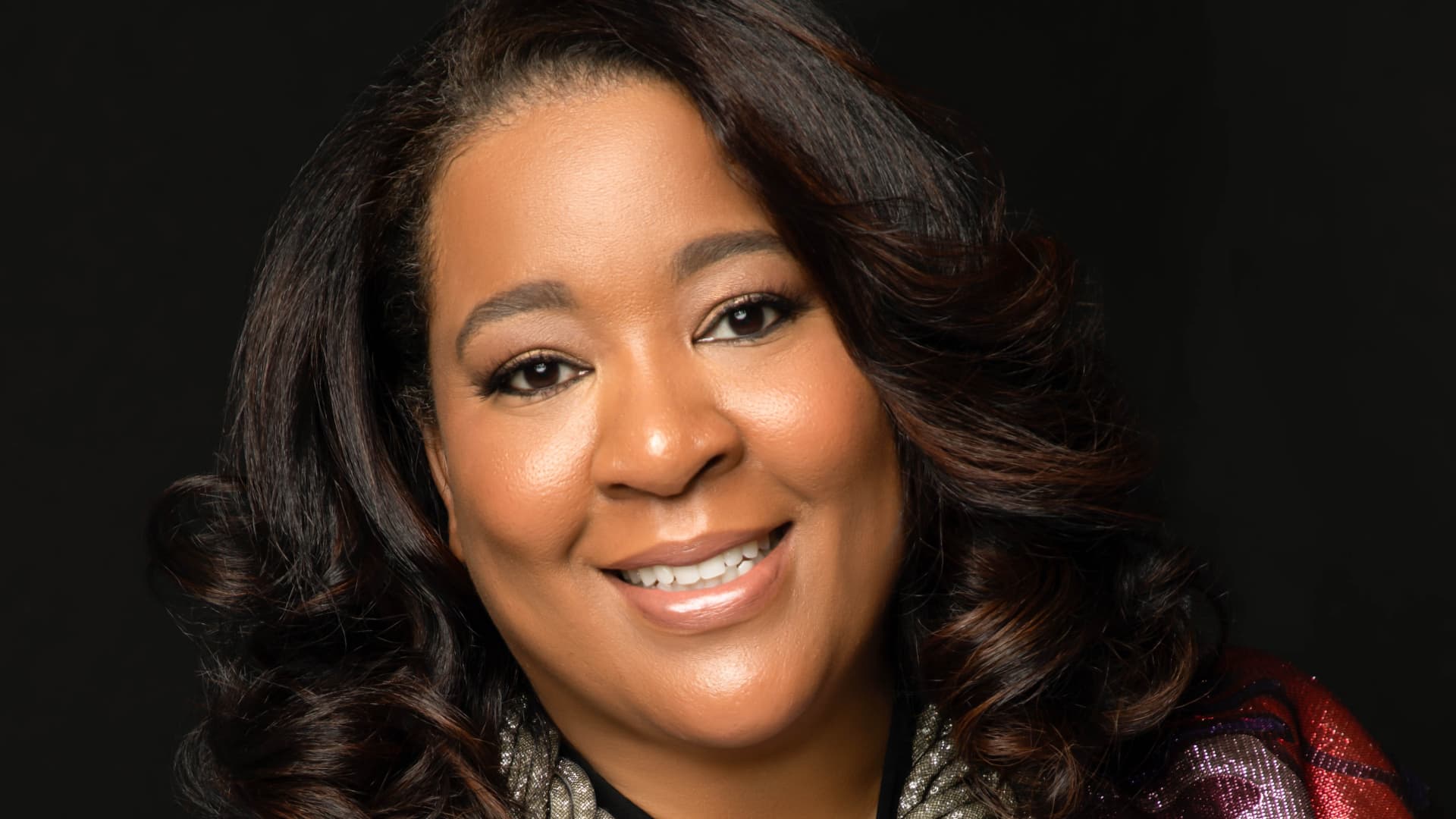
Dr. Ruth Oji
A senior executive once walked into a meeting determined to “set everyone straight.” Sales had declined, deadlines had been missed, and frustration had been building for weeks. He spoke forcefully, convinced that he was being firm and decisive. When he finished, the room fell silent. No one challenged him. No one asked questions. Everyone simply nodded and left. As he recounted the meeting later that day, he described it as productive. His deputy, however, offered a different assessment: “Sir, nobody spoke because they were intimidated, not because they agreed.”
That incident illustrates a truth many of us overlook. We often judge our communication by what we intended to say, while others judge it by what they experienced. Between intention and impact lies one quality that can make all the difference: self-awareness.
Many people believe that effective communication begins with mastering vocabulary, speaking confidently, or learning the right persuasive techniques. While these skills matter, they are not the true starting point. The journey toward becoming an effective communicator begins much closer to home. It begins with self-awareness.
Communication is often described as the exchange of information, ideas, and feelings. Yet every message we send carries something beyond the words we choose. It carries our attitudes, emotions, assumptions, experiences, and personality. If we do not understand ourselves, we cannot fully understand the messages we send to others or the way those messages are received. This is why self-awareness remains one of the most overlooked yet indispensable communication skills.