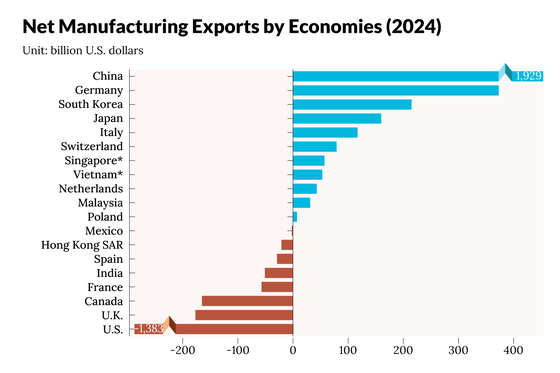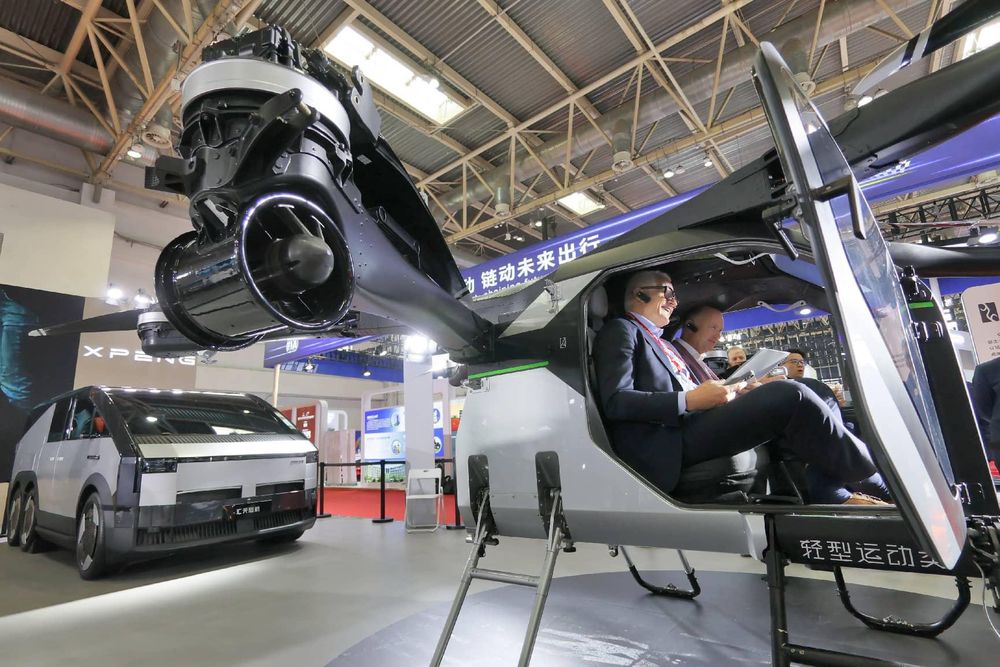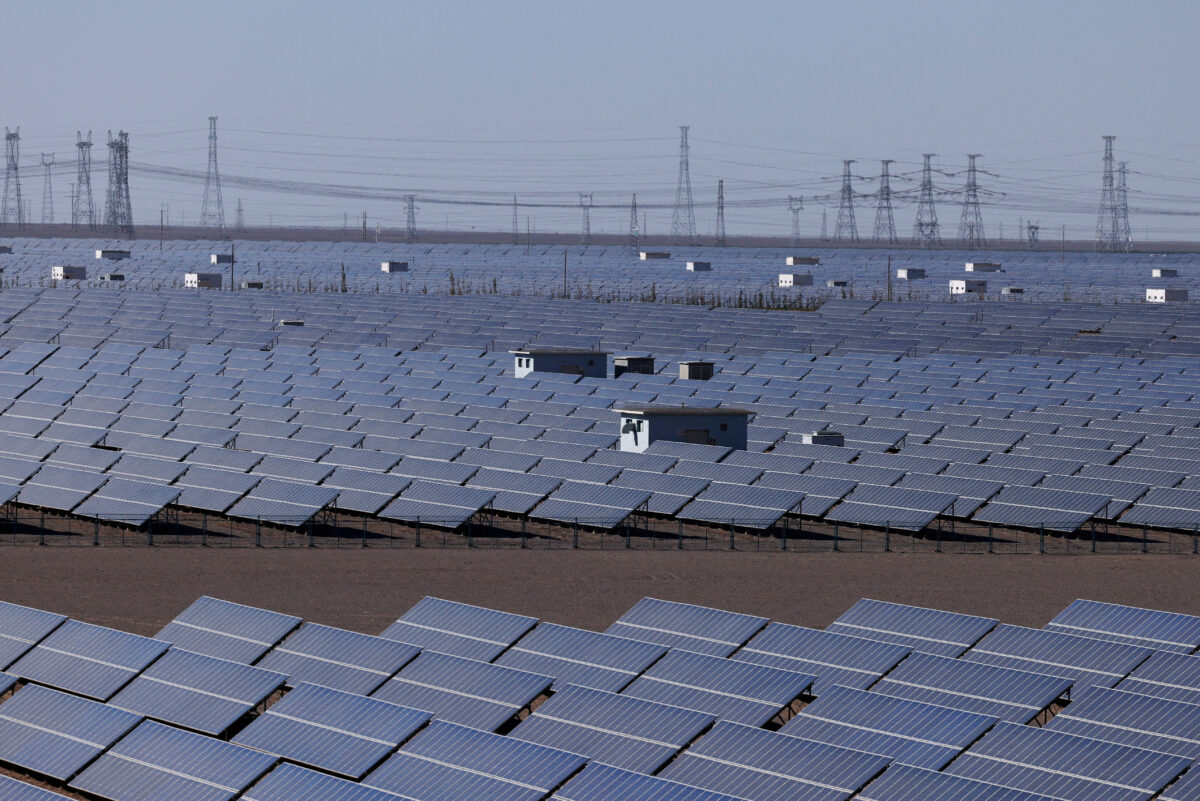
Global industrial chains and structures are constantly evolving, alternating between periods of relative stability and of profound disruption. Industrial restructuring refers to periods of accelerated change, such as the one currently underway. The forces behind such restructuring can broadly be divided into two categories: geopolitical competition and technological change. The two are closely intertwined, although their relative importance varies over time. At present, both are driving the reconfiguration of global industry, with geopolitical competition playing the dominant role.
Historically, major waves of global industrial restructuring have been initiated and led by advanced economies, with their large corporations possessing technological and financial advantages. Other countries and firms have generally played reactive roles, gradually adapting as a new global industrial equilibrium emerged. The current round is different. China and Chinese companies have shifted from passive responders to active participants in shaping global industrial restructuring.
At the early stage of this transition, China proposed the Belt and Road Initiative, anticipating changes in the global economic landscape. At the corporate level, overseas expansion initially emerged as a response to changing market conditions. As more companies expanded abroad, however, Chinese enterprises have increasingly become an important force in reshaping global industrial and supply chains.