https://arab.news/pewuv
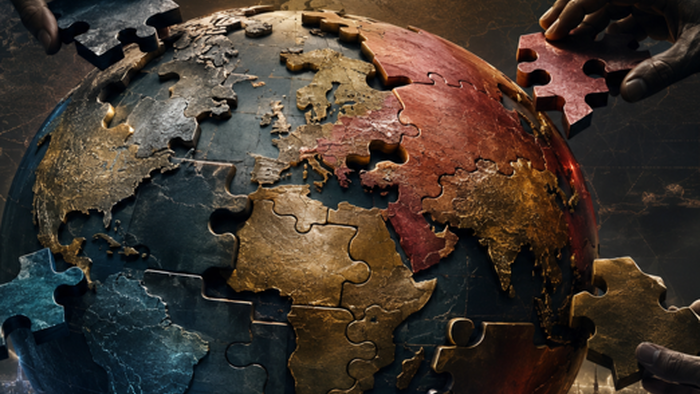
Slowing growth, escalating trade wars, tightening cross-border capital flows and intensifying migration pressures have dominated news headlines — and for good reason. Together, these forces threaten to undermine multilateralism and accelerate the rise of blocs like the BRICS+ group of major emerging economies, setting the stage for a profound reordering of the global economy.
But five additional structural trends could prove equally, if not more, transformative. The first is demographic change. While the world’s population is projected to peak at about 10.3 billion by the mid-2080s, that headline figure obscures powerful underlying shifts. The global population is aging rapidly and, with the ratio of working-age individuals to retirees expected to fall from 9.4 in 1997 to just 3.9 by 2050, pension systems and public finances are set to come under growing strain.
To be sure, population trends differ dramatically across countries. India has overtaken China as the world’s most populous country, while China’s population — now about 1.4 billion — is expected to drop below 750 million by 2100. Italy’s population is projected to fall from 60 million to 27 million over the same period and Japan’s could plummet from 128 million to 53 million. Nigeria’s population, by contrast, is set to triple to 791 million, making it the world’s second-most populous country after India.