Global businesses are entering an era of destabilization, defined by trade friction, shifting geopolitical alliances, and mounting pressure to redesign supply chains. The old assumptions of seamless globalization are giving way to a fragmented reality where tariffs, sanctions, and export controls can upend operations overnight. Geopolitical uncertainty – from regional conflicts to strategic derisking between major economies – forces companies to rethink sourcing, manufacturing, and market access. Supply chains, once optimized for efficiency, now require carefully planned safeguards against political risk, regulatory volatility, and sudden disruptions. This shift is structural, not temporary.
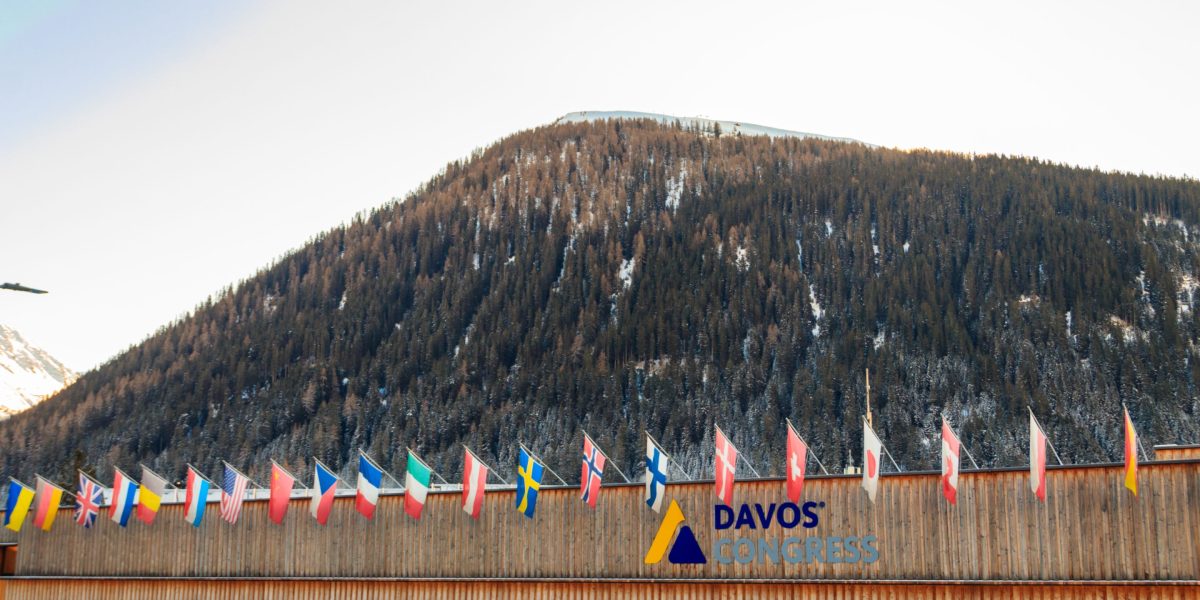
As world leaders convene in Davos, CEOs face the realities of this geo-economic fragmentation – where resilience, not efficiency, will define competitiveness.
The new normal: geopolitics and growth are inseparable
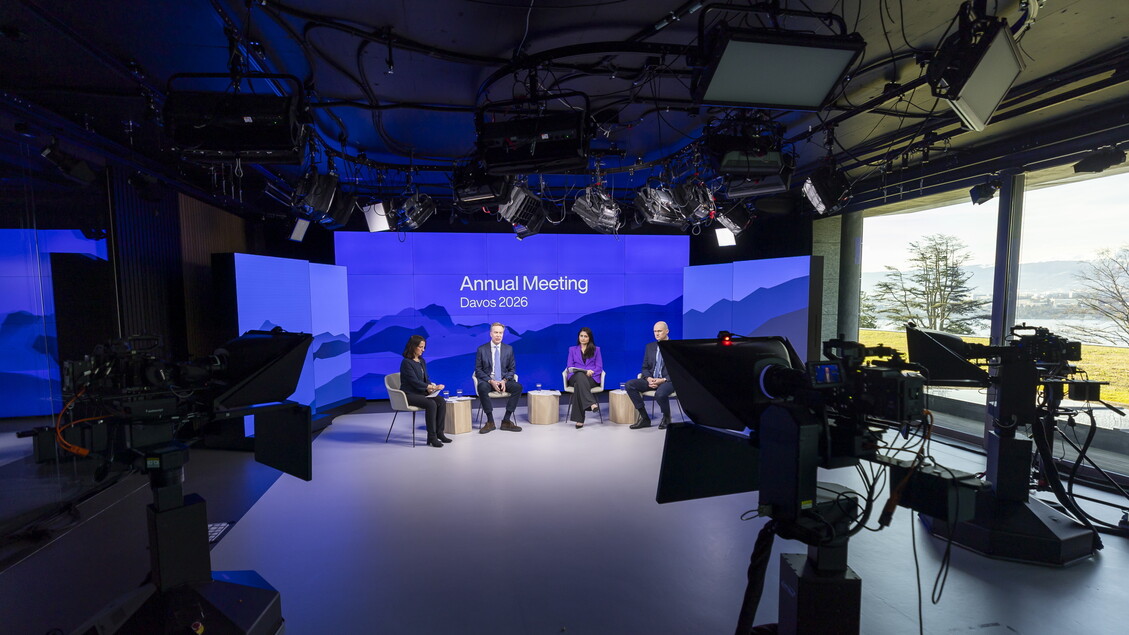
As the World Economic Forum commences on January 19 2026, the message for global business is simple: the old playbook is obsolete. Geopolitics and trade have become inseparable, with sanctions, tariffs, and export controls shaping market access as much as consumer demand. In this environment, risk management is not a back-office function; it is a strategic directive at the board level.