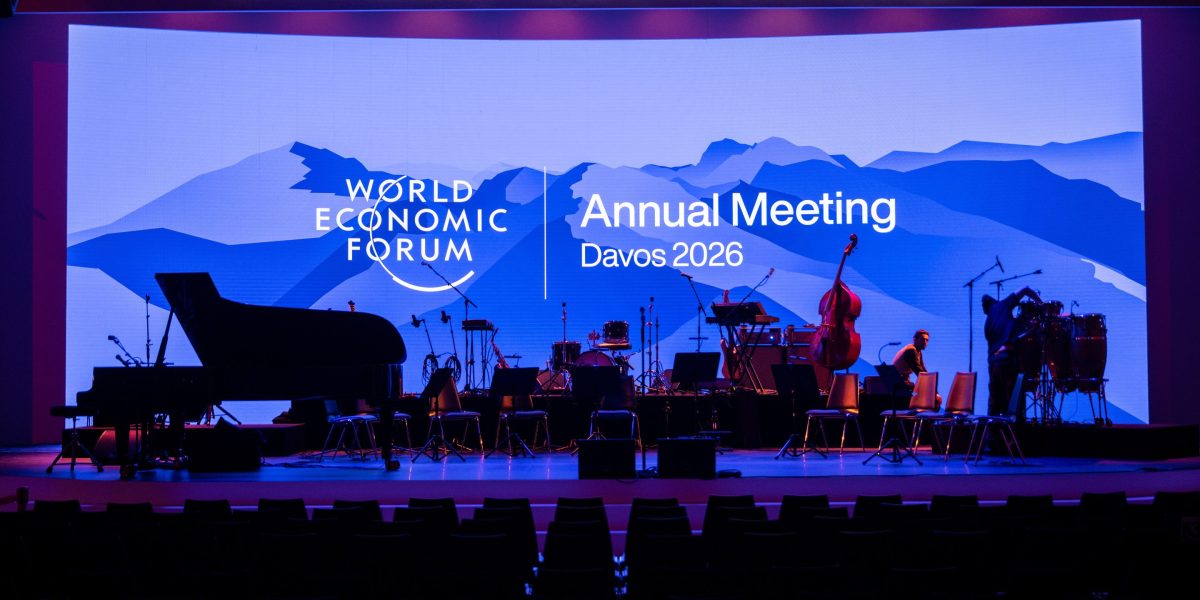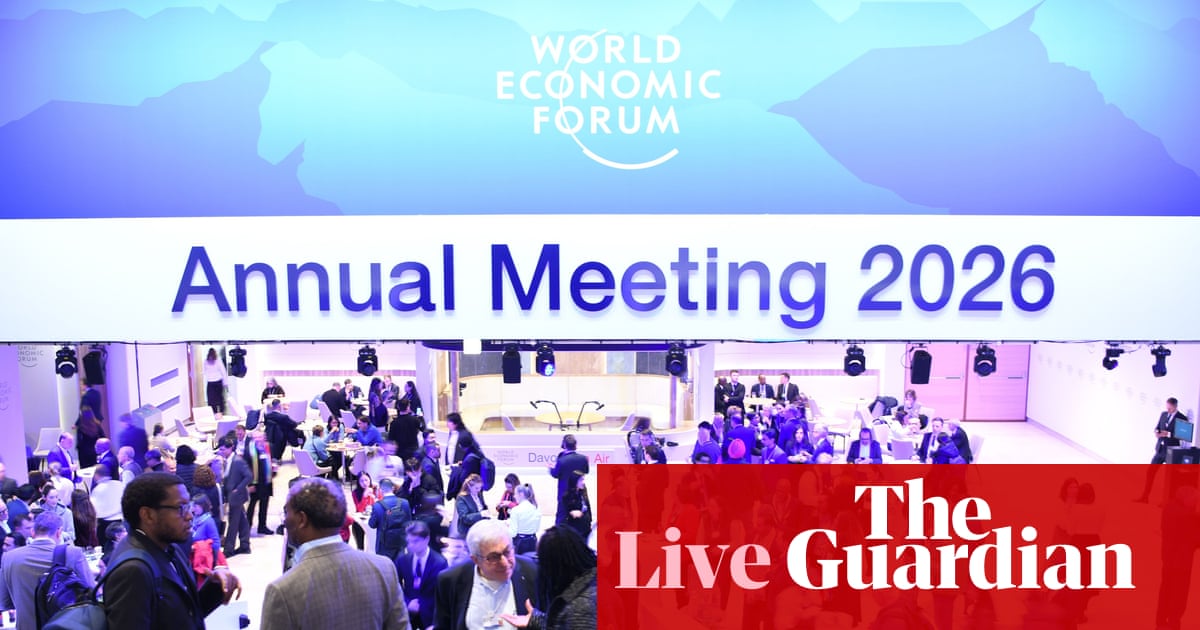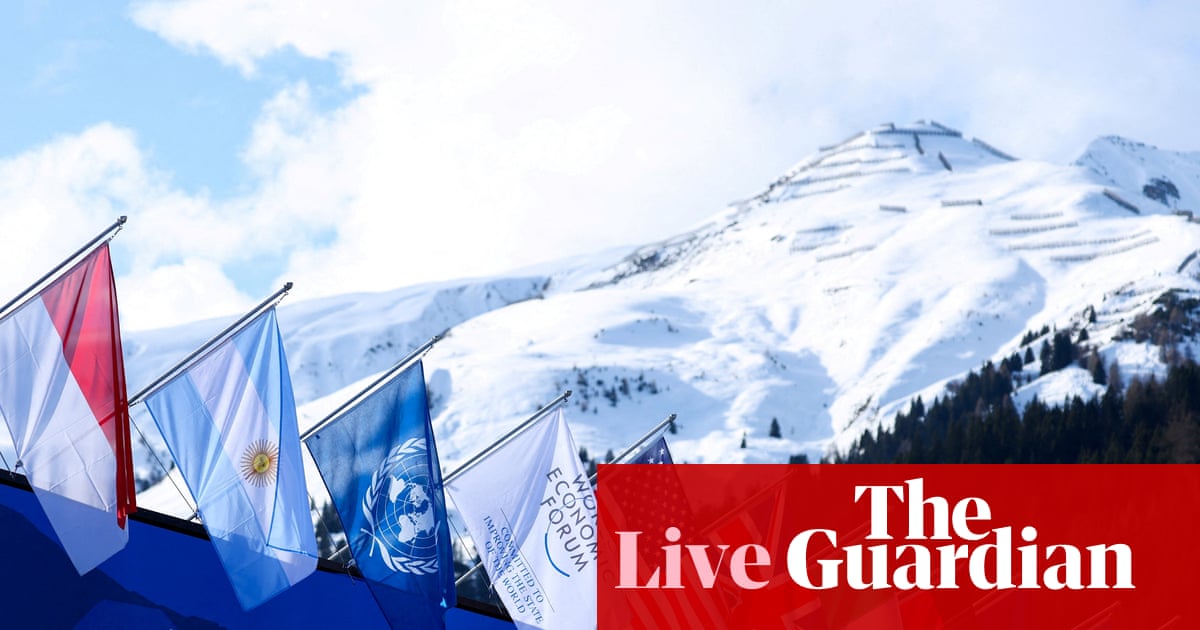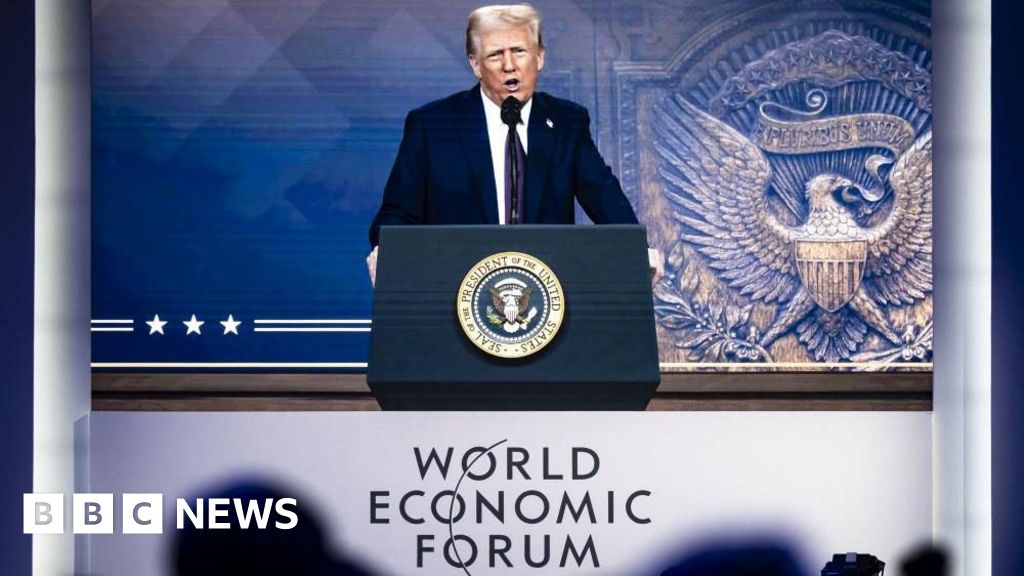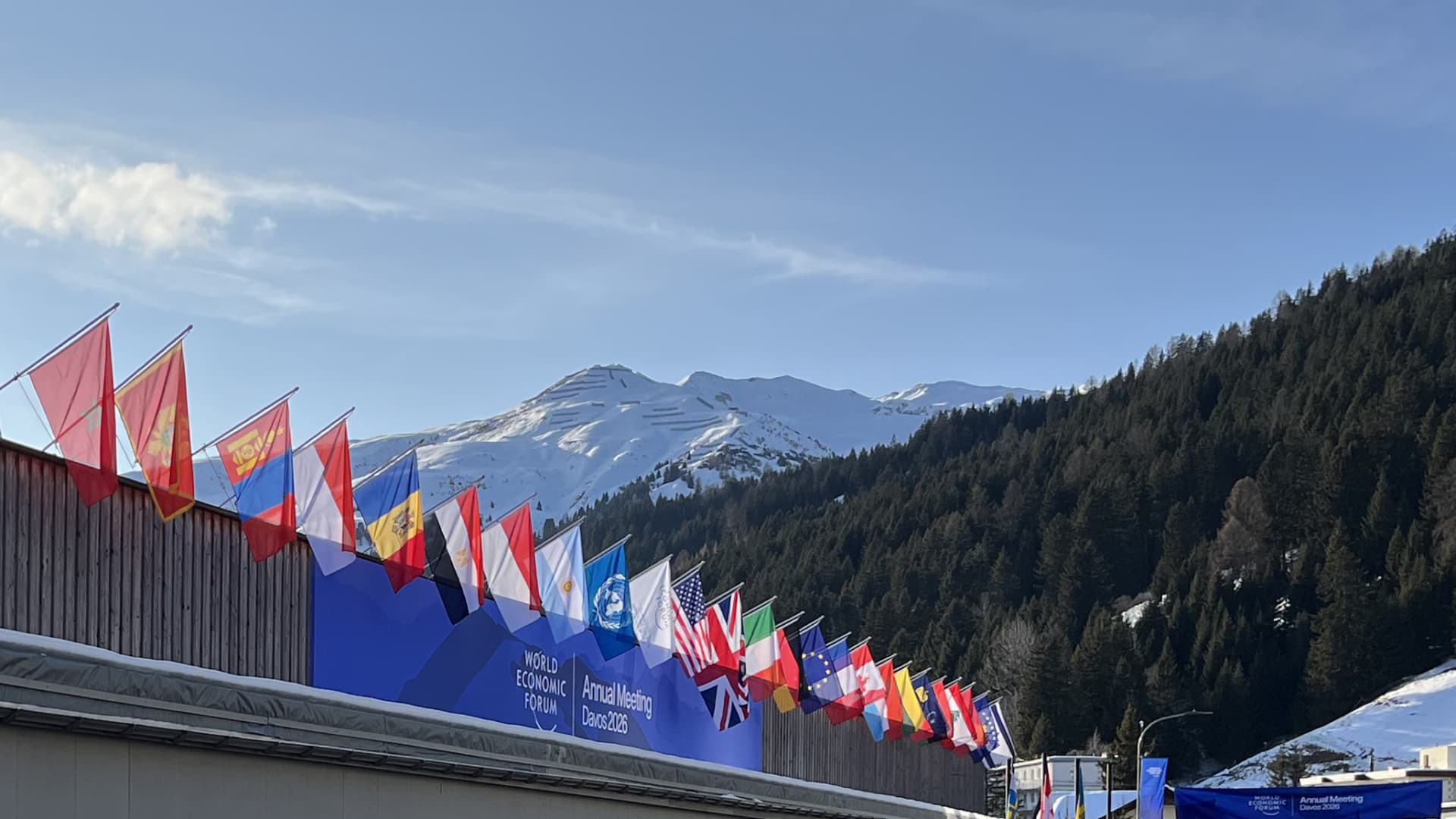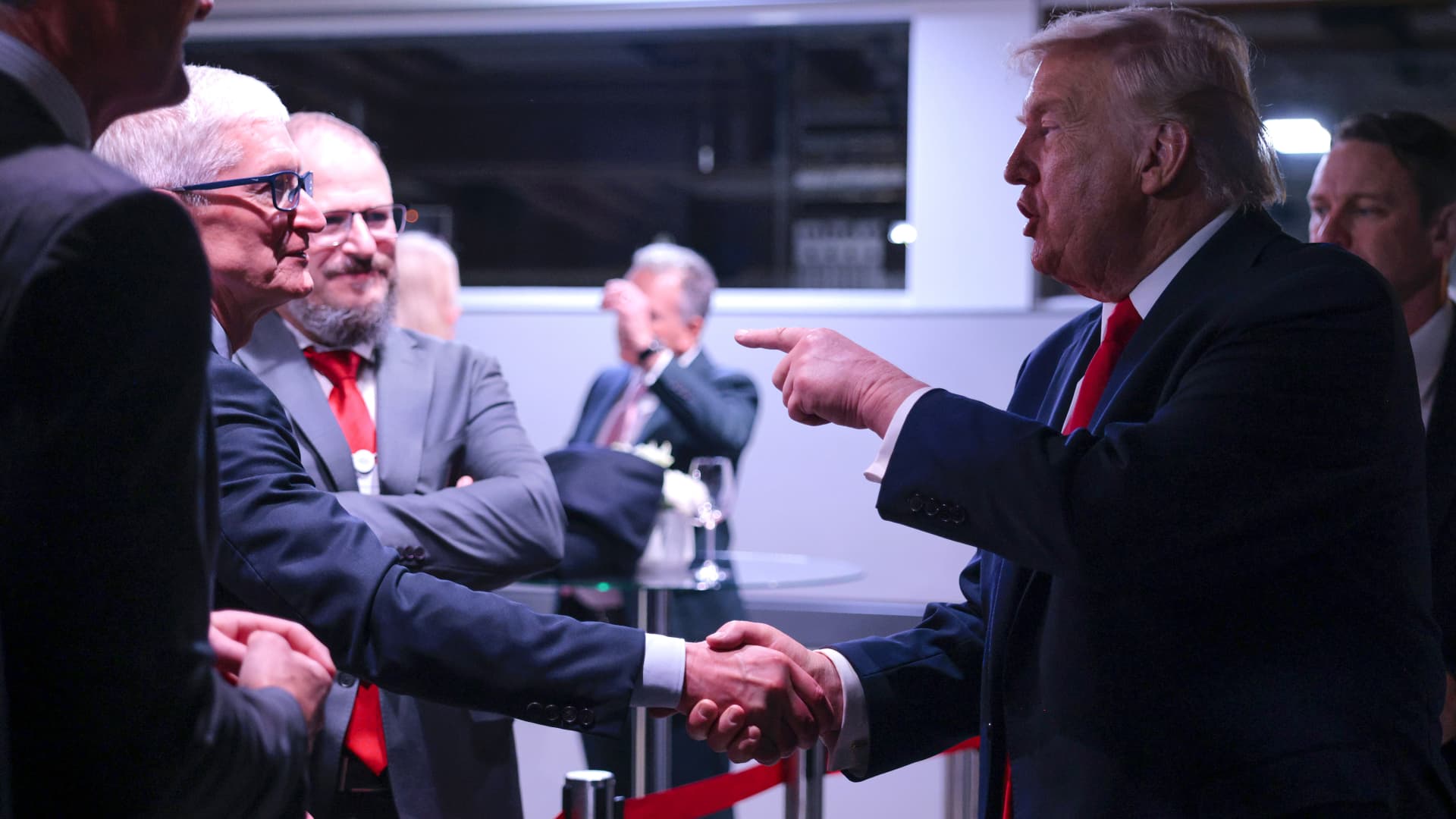
As leaders gather in Davos, the conversation is often described as a clash of urgencies: geopolitics, AI, growth, climate, trust. Yet when day one is read through its signals — opening remarks, official WEF summaries, and the sessions that gained visible traction — what stands out is not fragmentation, but convergence around a shared set of constraints.
Growth remains the shared objective, but the debate has moved to the high cost of maintaining it. Capital intensity, duplicated investments, and friction dominated, moving the tone from ideology and toward how diversification and compounding function in high-debt, high-cost-of-capital environments, where resilience is a precondition for survival.
Geoeconomic tensions were treated less as a crisis and more as a given. The discussion moved quickly from whether fragmentation persists to how businesses operate within it. The session titled “Governments as Economic Super Actors” named what many have long been thinking: the state is no longer just a referee, but also a player — normalizing the weaponization of economic tools.
What remained largely unspoken is that many of these dynamics now function as negative-sum systems. Capital is increasingly deployed defensively — locked into duplicative supply chains, regulatory hedges, and parallel infrastructures — rather than to create optionality. Even where GDP growth appears resilient, hidden losses accumulate through higher financing costs, slower deployment, and capital tied up offensively. The game has changed; the scorekeeping largely has not.