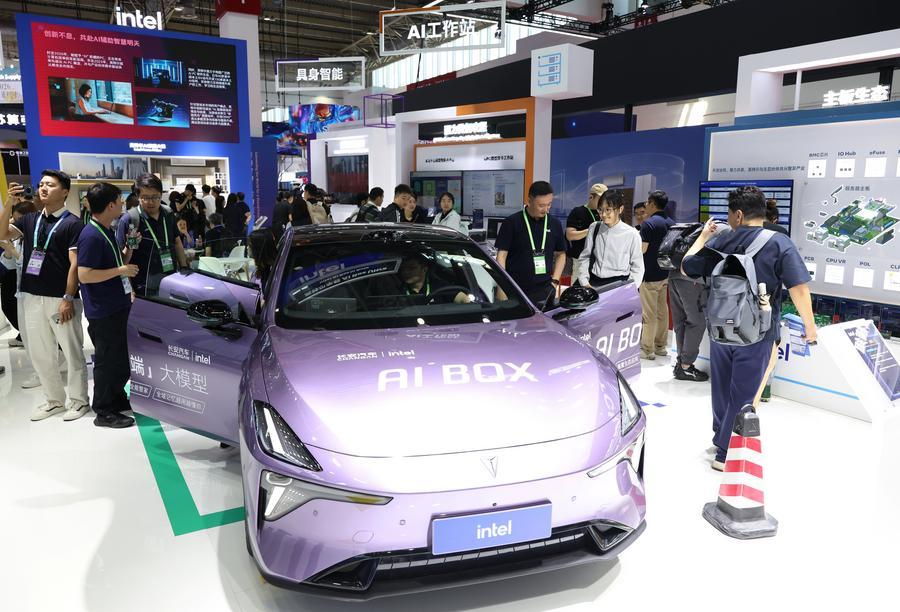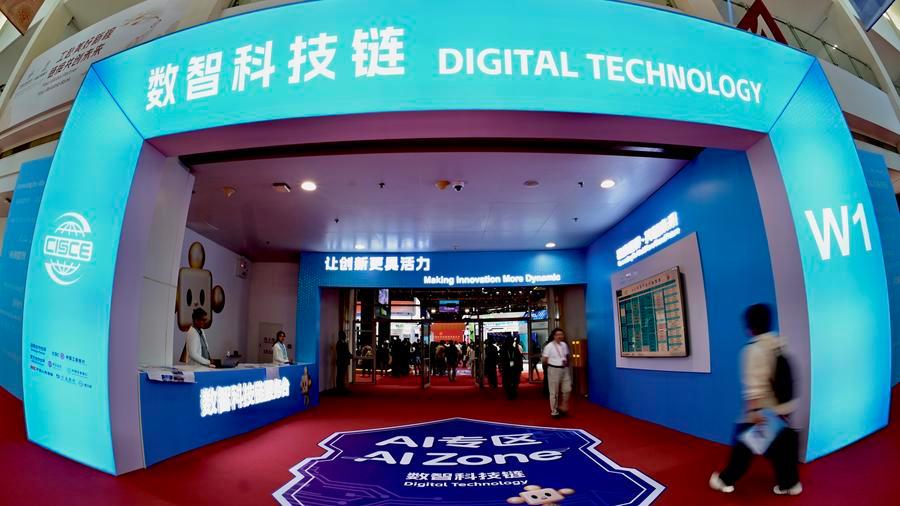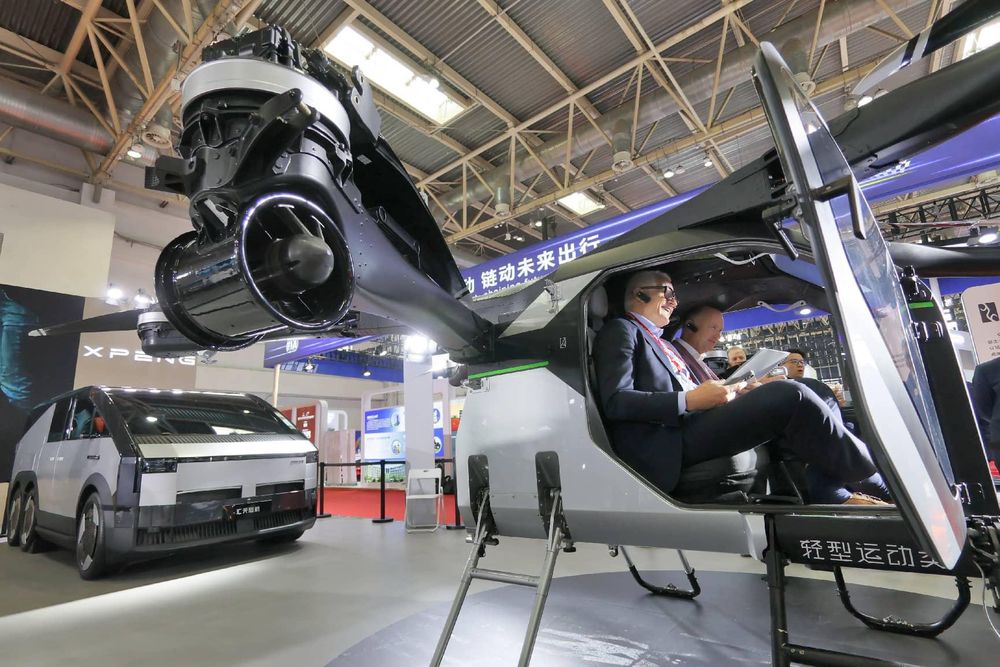
A flying car manufactured by Chinese company XPeng is exhibited at the fourth China International Supply Chain Expo.
Zhang Jixing
The world is undergoing profound changes unseen in a century at an accelerating pace. Geopolitical conflicts and regional wars continue to erupt, while unilateralism and protectionism are on the rise, severely disrupting the international order. At the same time, the global economy is losing momentum, and uncertainties and destabilising factors affecting global supply chains are increasing.
According to a report released by the Organization for Economic Co-operation and Development in June 2026, global economic growth is expected to slow down from 3.4% in 2025 to 2.8% in 2026. Research from the World Economic Forum identifies armed interstate conflicts, geo-economic confrontations, and extreme weather events as the world's three most significant risks at present.
The more turbulent the global environment, the greater the need for collective action. More than ever, countries must strengthen solidarity and cooperation, overcome divisions through openness and inclusiveness, and approach the shared future of humanity with a broad perspective. The international community should work together to enhance the resilience and stability of global supply chains, choosing to "join hands" rather than "let go," and to extend supply chains rather than sever them.