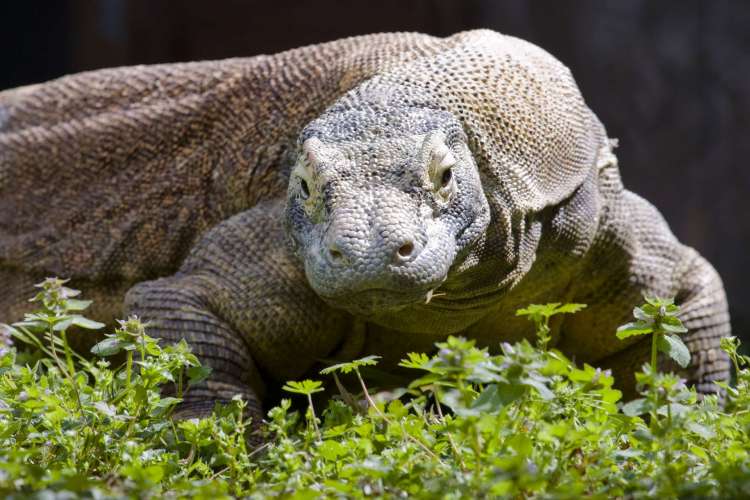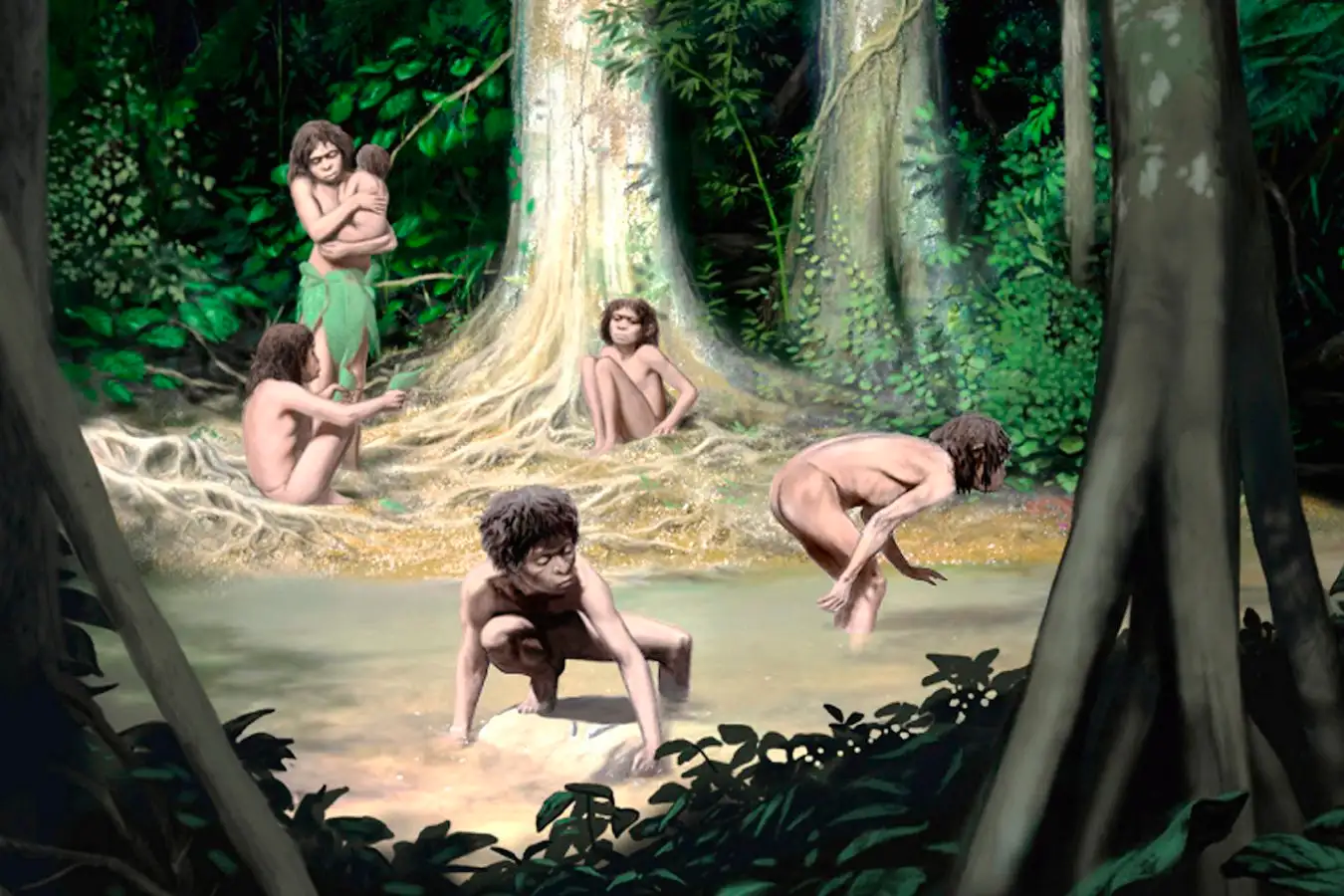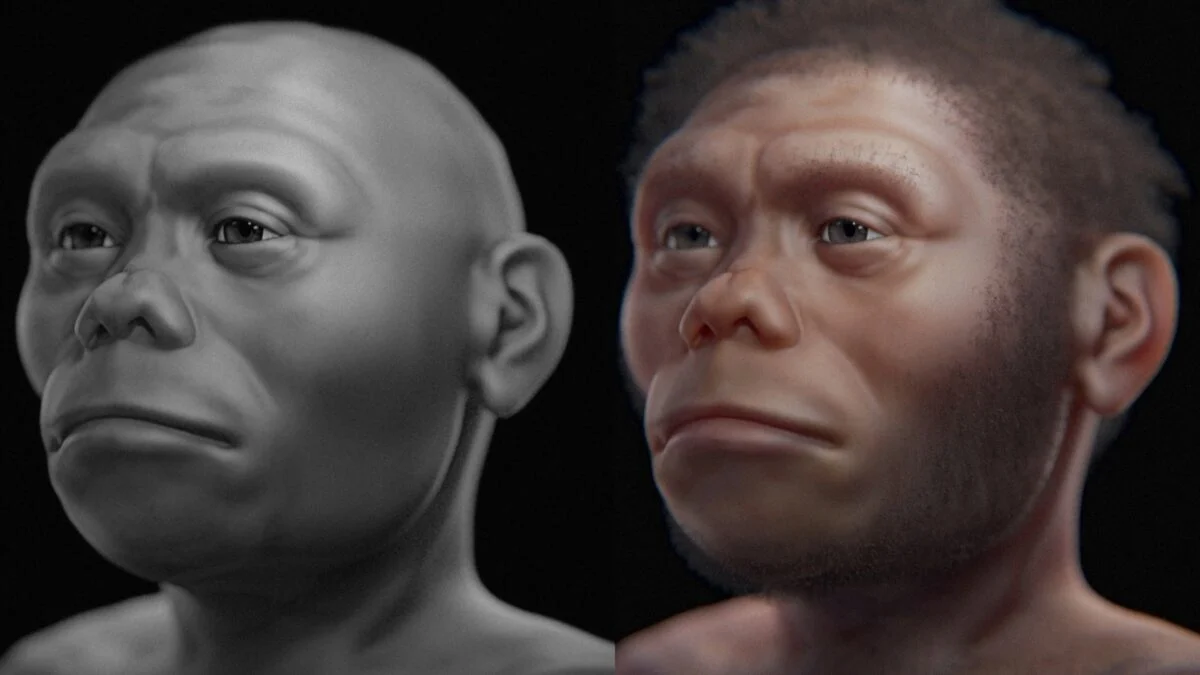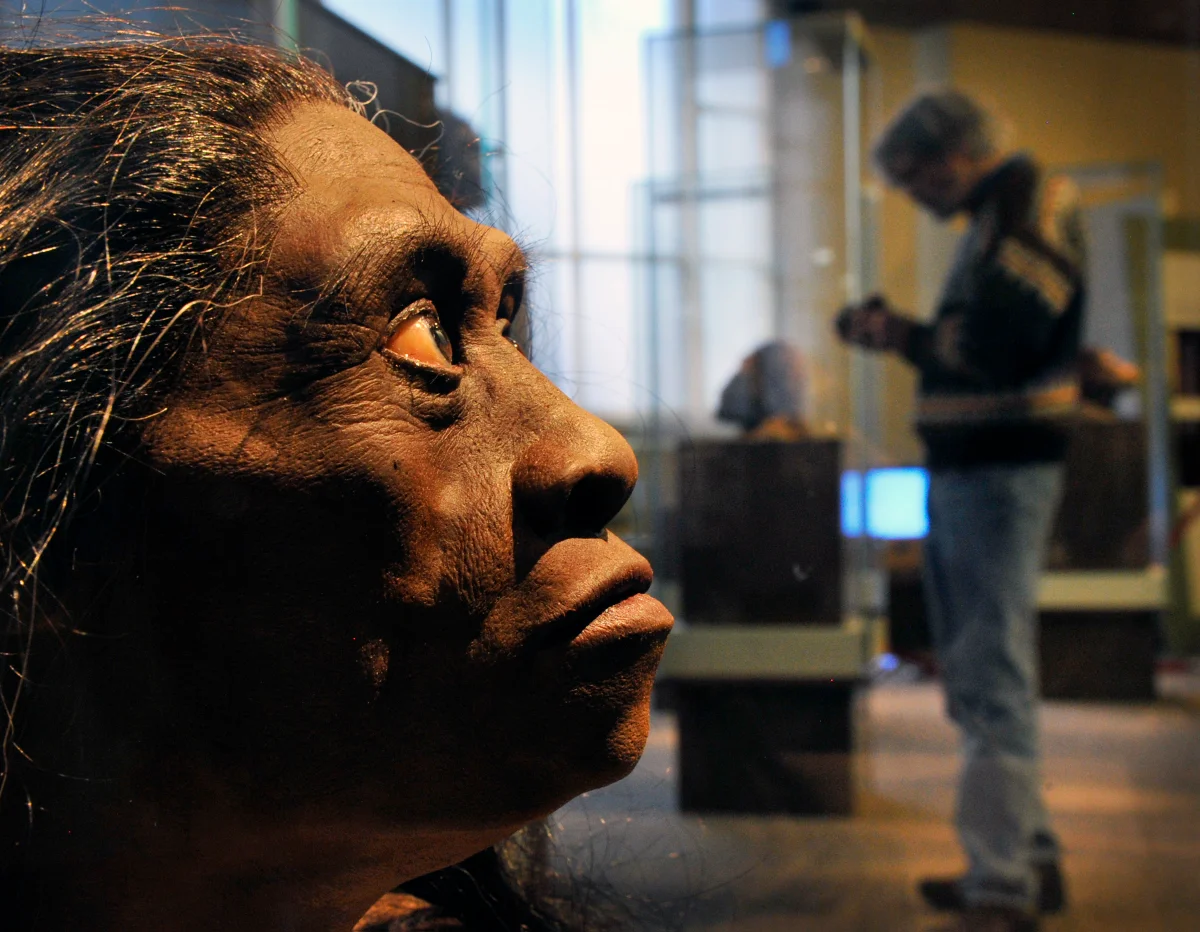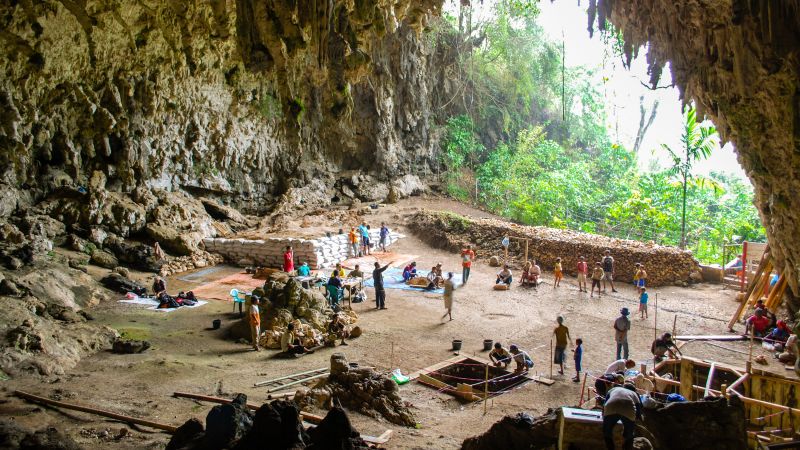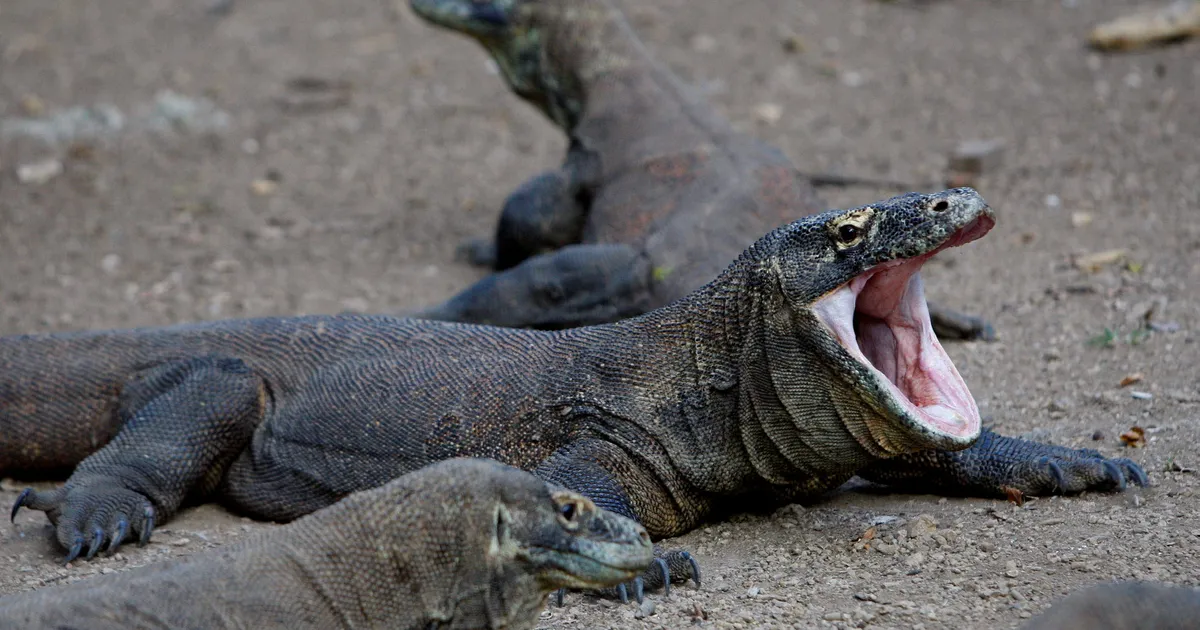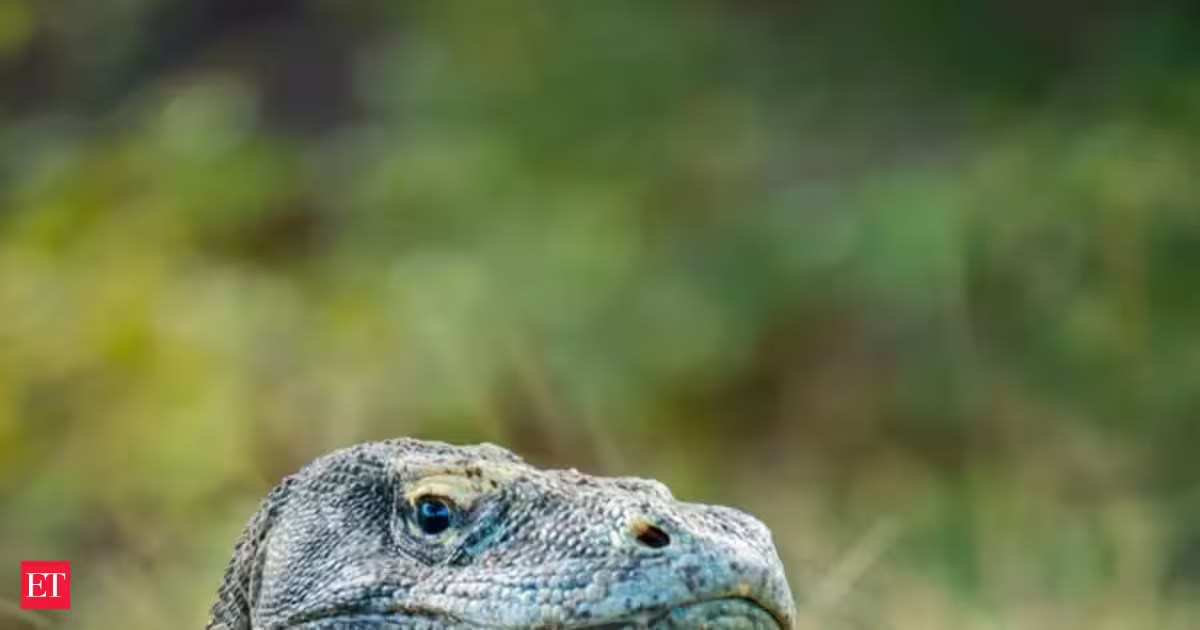
For nearly two decades, scientists believed the extinct human relative Homo floresiensis, popularly known as the "hobbit," was capable of hunting large prey and cooking food over fire despite standing just 3.5 feet tall and having a brain roughly one-third the size of a modern human's.But a new study published July 3 in Science Advances by E. Grace Veatch and colleagues challenges that long-held view. Instead of hunting dwarf elephants, researchers suggest the tiny hominins likely survived by scavenging the leftovers of Komodo dragons after the giant reptiles had stripped away the choicest meat.Beyond rewriting the story of Homo floresiensis, the findings also brought back the questions about Komodo dragons: how the land dradons became the world's largest living lizards.Why Komodo dragons became giantsScientists believe Komodo dragons became so enormous through a combination of evolution and island ecology. On isolated Indonesian islands with little competition from other large predators, natural selection favored large-bodied lizards that could dominate prey and occupy the role of apex predator. This pattern is consistent with the evolutionary phenomenon known as the "island rule," in which island animals often evolve dramatically different body sizes from their mainland relatives. Flores and neighboring Indonesian islands provided the perfect environment for this evolutionary process. Unlike many mainland ecosystems crowded with large mammalian predators, these islands offered Komodo dragons an ecological niche where they could become the dominant land predator.Not just big, but built to huntTheir massive size is only one reason Komodo dragons are such effective predators.They possess sharp, backward-curving teeth designed to tear flesh, muscular bodies capable of overpowering prey, and venom containing proteins that interfere with blood clotting and contribute to shock in bitten animals. Once prey weakens, the dragons track it using an exceptional sense of smell that can detect carrion from several kilometers away.This combination of size, strength, and specialized hunting adaptations has allowed Komodo dragons to dominate island ecosystems for hundreds of thousands of years.Among the largest reptiles on EarthAlthough Komodo dragons are the largest living lizards, they are not the largest living reptiles.That title belongs to the saltwater crocodile, which can exceed 23 feet (7 meters) in length. Komodo dragons typically reach about 10 feet (3 meters) and can weigh more than 200 pounds in the wild, though exceptionally large individuals have grown much bigger.The largest recorded Komodo dragon was a male captured in 1928 on the Indonesian island of Komodo. The animal was presented to the Sultan of Bima, who later gifted it to American zoologist W. Douglas Burden. By 1937, it had reached an adult weight of approximately 366 pounds (166 kilograms) and measured 10.3 feet (3.13 meters) long before its remains were briefly displayed at the St. Louis Zoological Gardens in Missouri.
Why Komodo dragons grew so enormous: The science behind the world's largest lizard
New research suggests Homo floresiensis scavenged Komodo dragon leftovers for survival. This challenges long-held beliefs about their hunting capabilities and diet. Komodo dragons evolved into giants on isolated islands with few predators. Their size, sharp teeth, and venom make them effective hunters. These large reptiles dominate island ecosystems as apex predators.
452 words~2 min read