one bite at a time
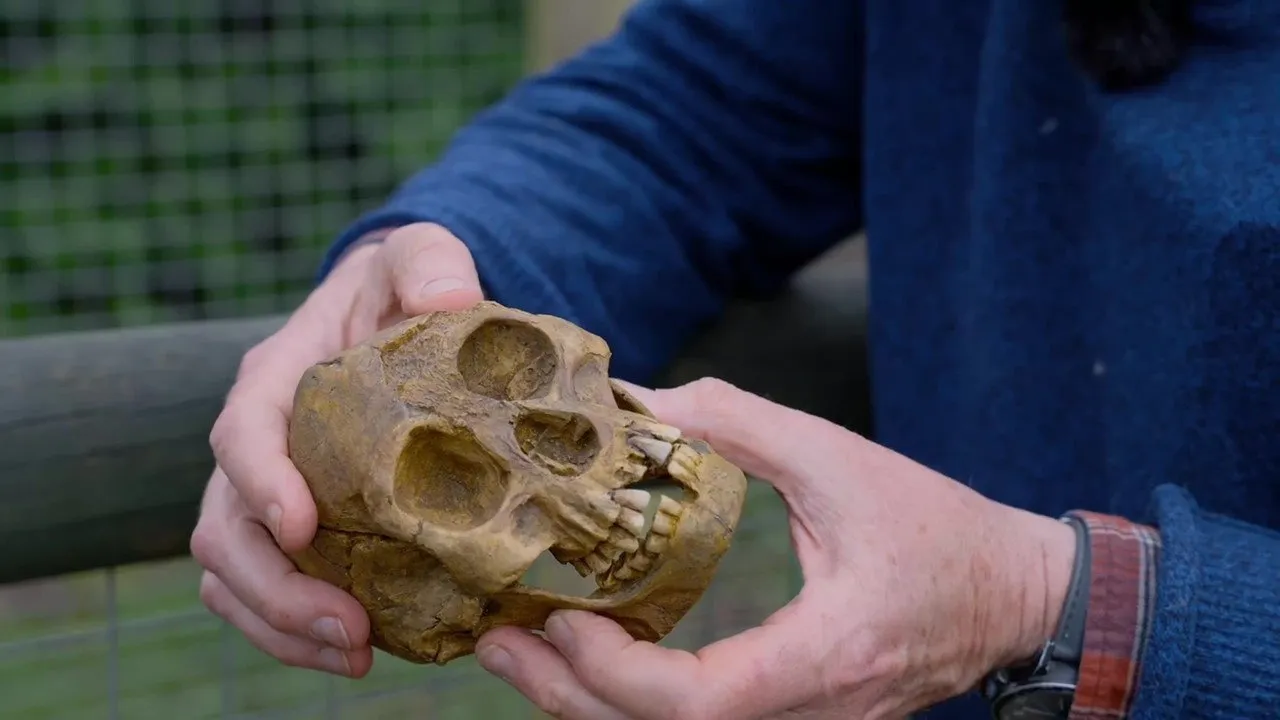
If Homo floresiensis wasn’t a fire-using hunter, its origins could be different than we thought.
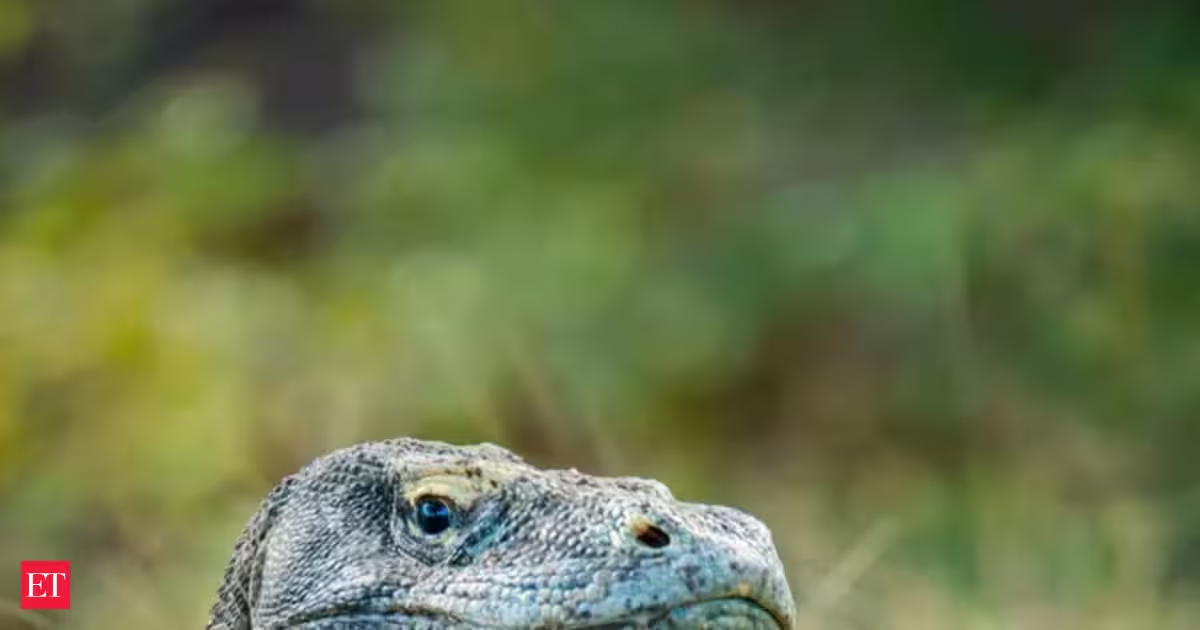
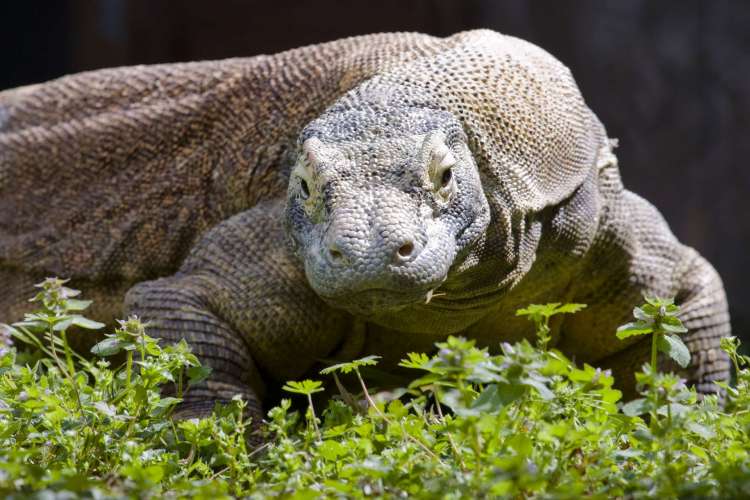
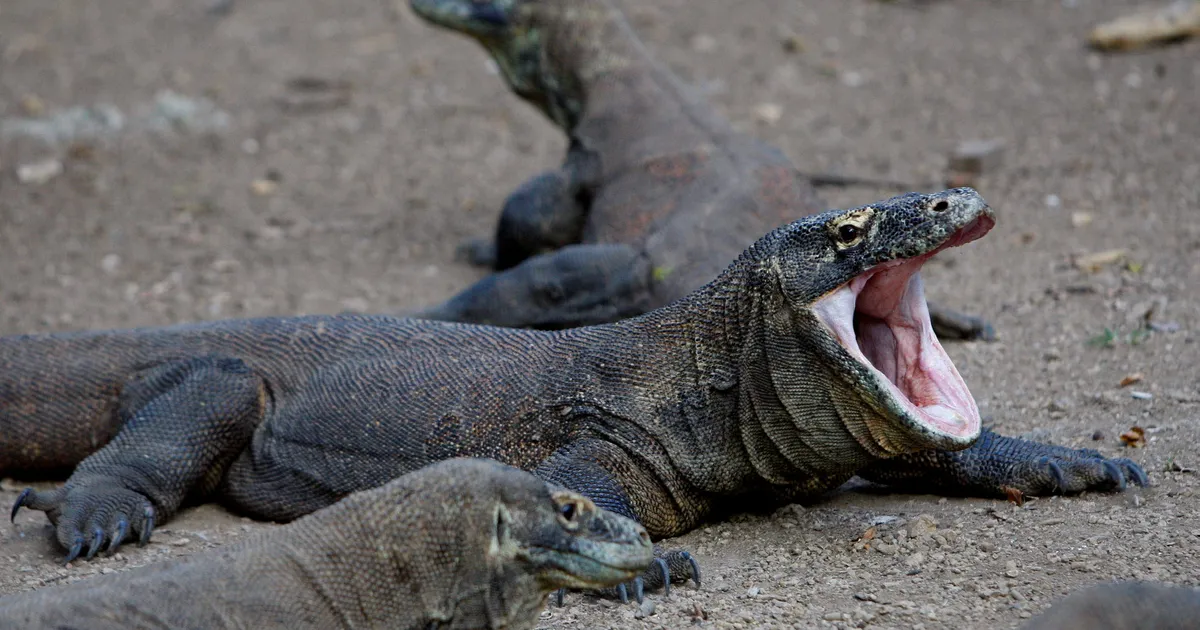
Komodo dragons use their venomous bites to bring down prey.
Zoo Atlanta
Komodo dragons use their venomous bites to bring down prey.
If Homo floresiensis wasn't a fire-using hunter, its origins could be different than we thought.
one bite at a time
If Homo floresiensis wasn’t a fire-using hunter, its origins could be different than we thought.
Komodo dragons use their venomous bites to bring down prey.
Zoo Atlanta
Komodo dragons use their venomous bites to bring down prey.
An experiment that involved feeding a dead goat to a Komodo dragon as well as an analysis of thousands of ancient bones suggests…
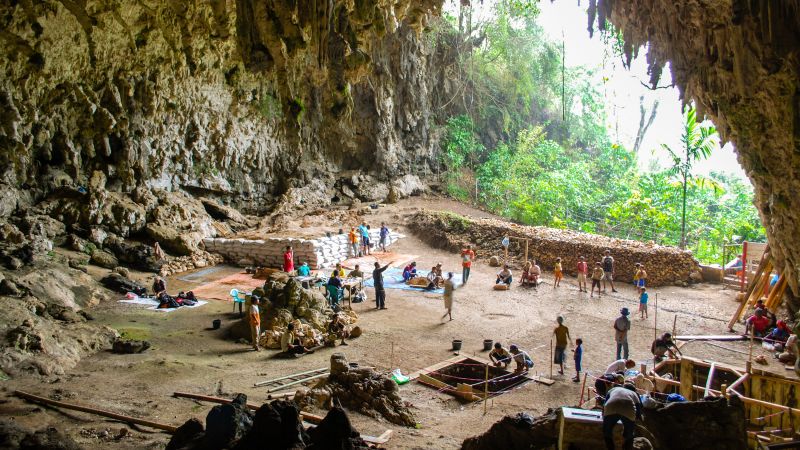
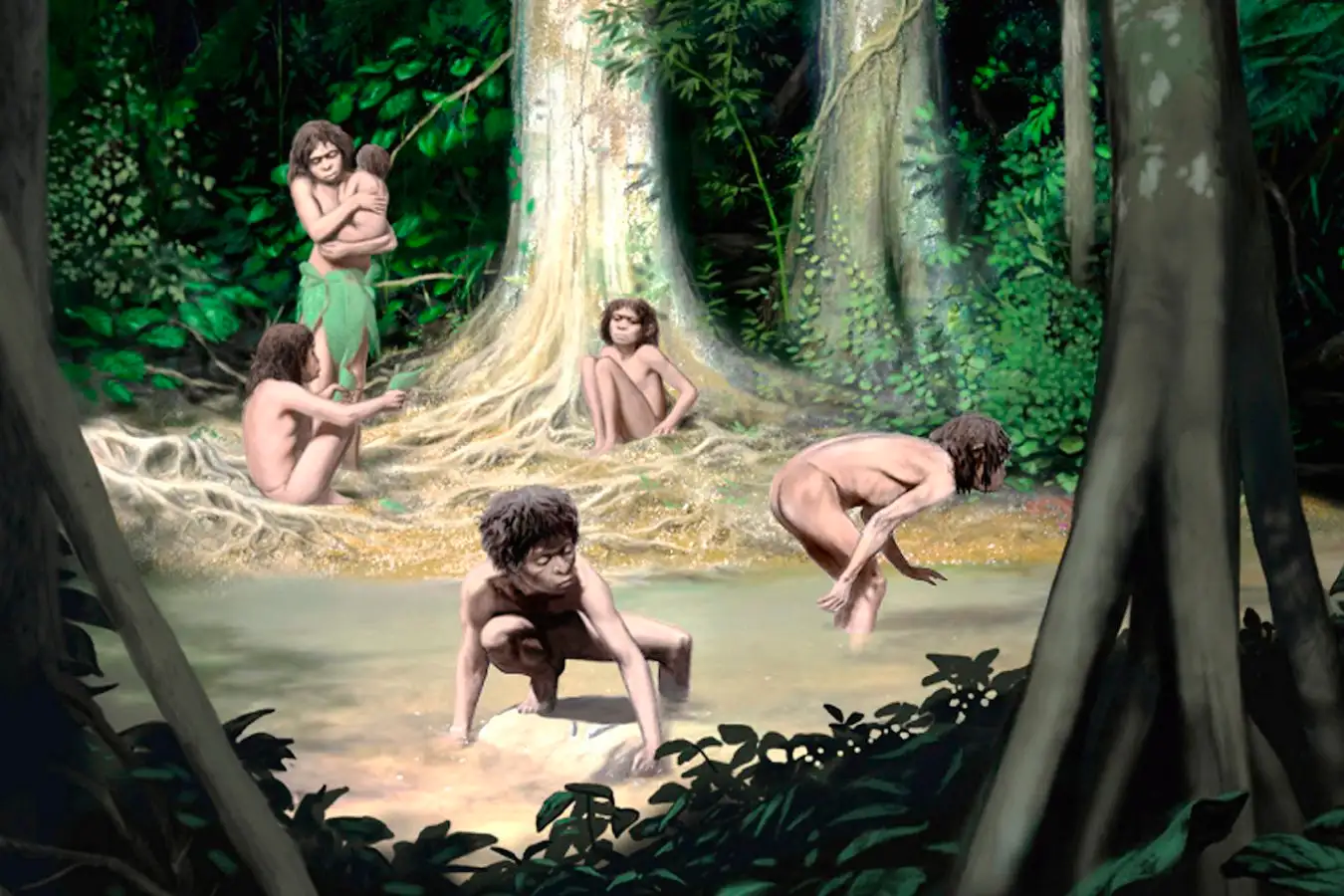
Instead of hunting big game or wielding fire, the hobbit-like hominin Homo floresiensis likely scavenged leftovers of prey taken…
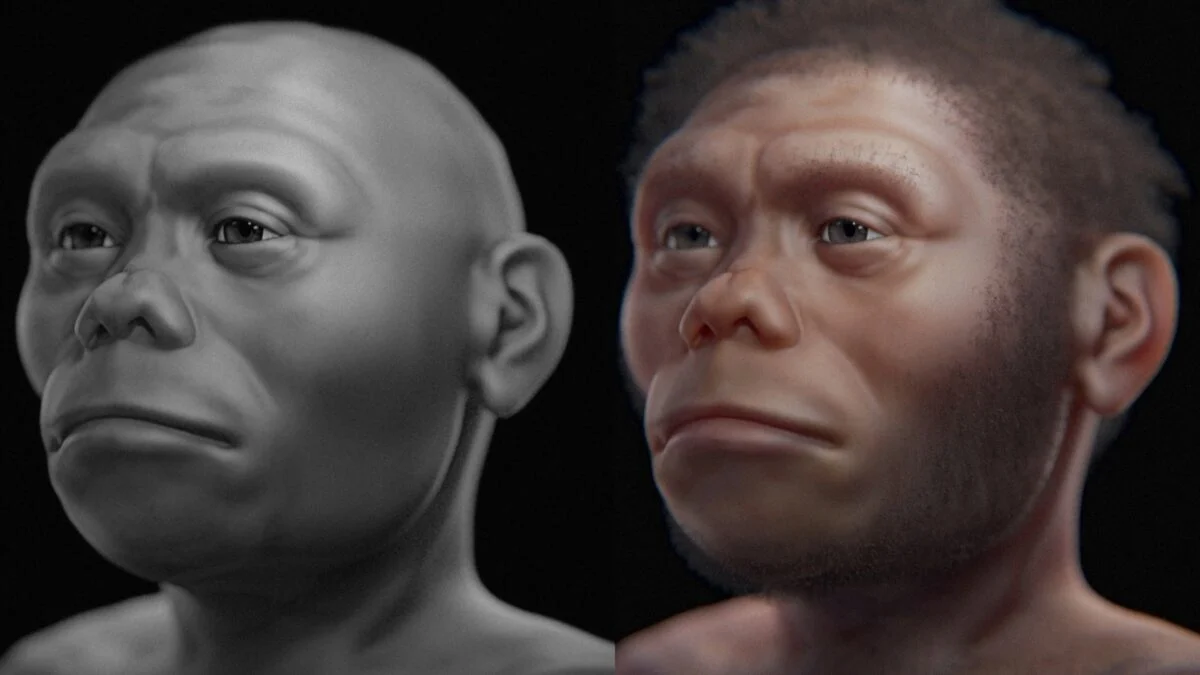
Researchers working with the Smithsonian poured over 10,061 artifacts and other elements to determine whether tiny ‘Homo…
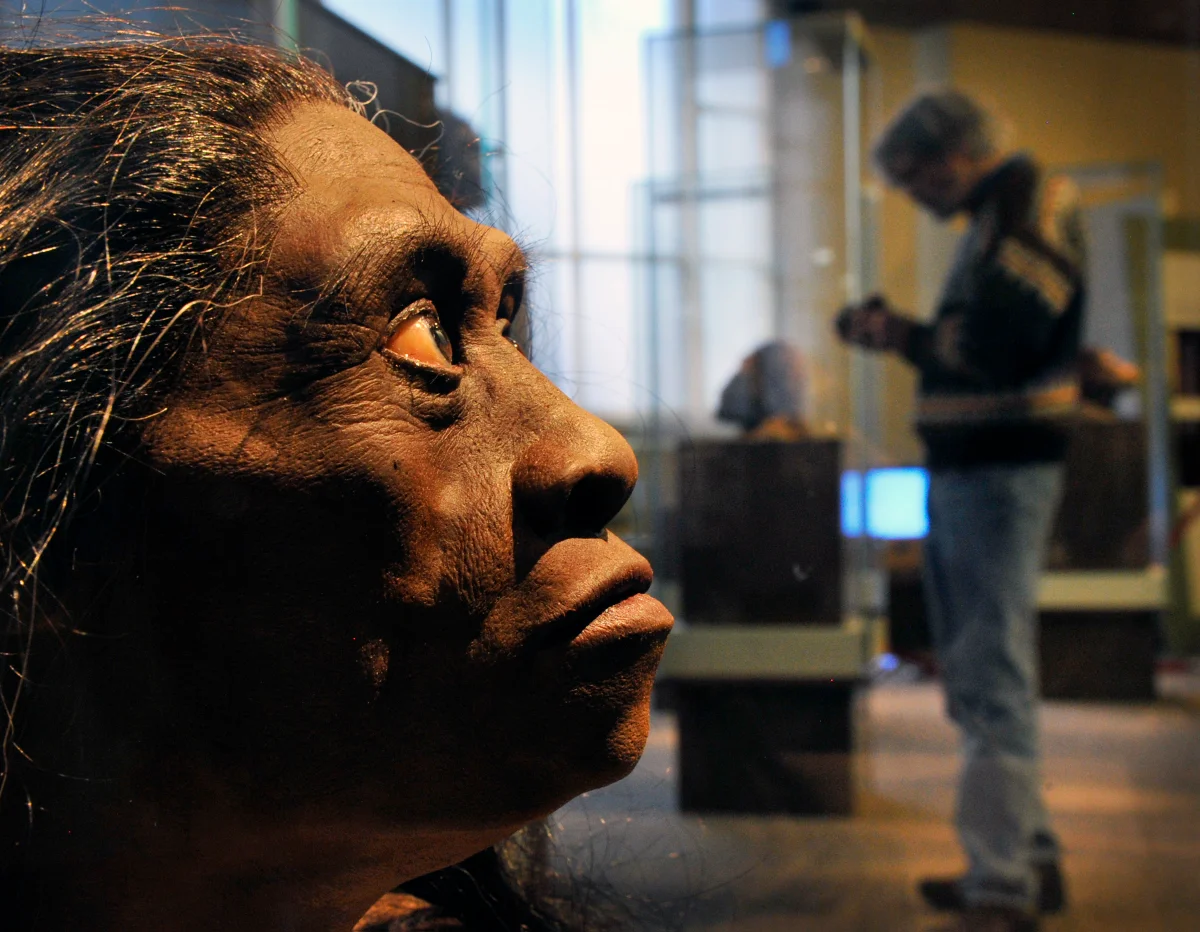
The hominins may have gone on adventures, but they lacked key skills of modern humans
Strange 'hobbits' of Indonesia didn't hunt elephants after all, or cook them, says new paper, supporting theory of deeply archaic…
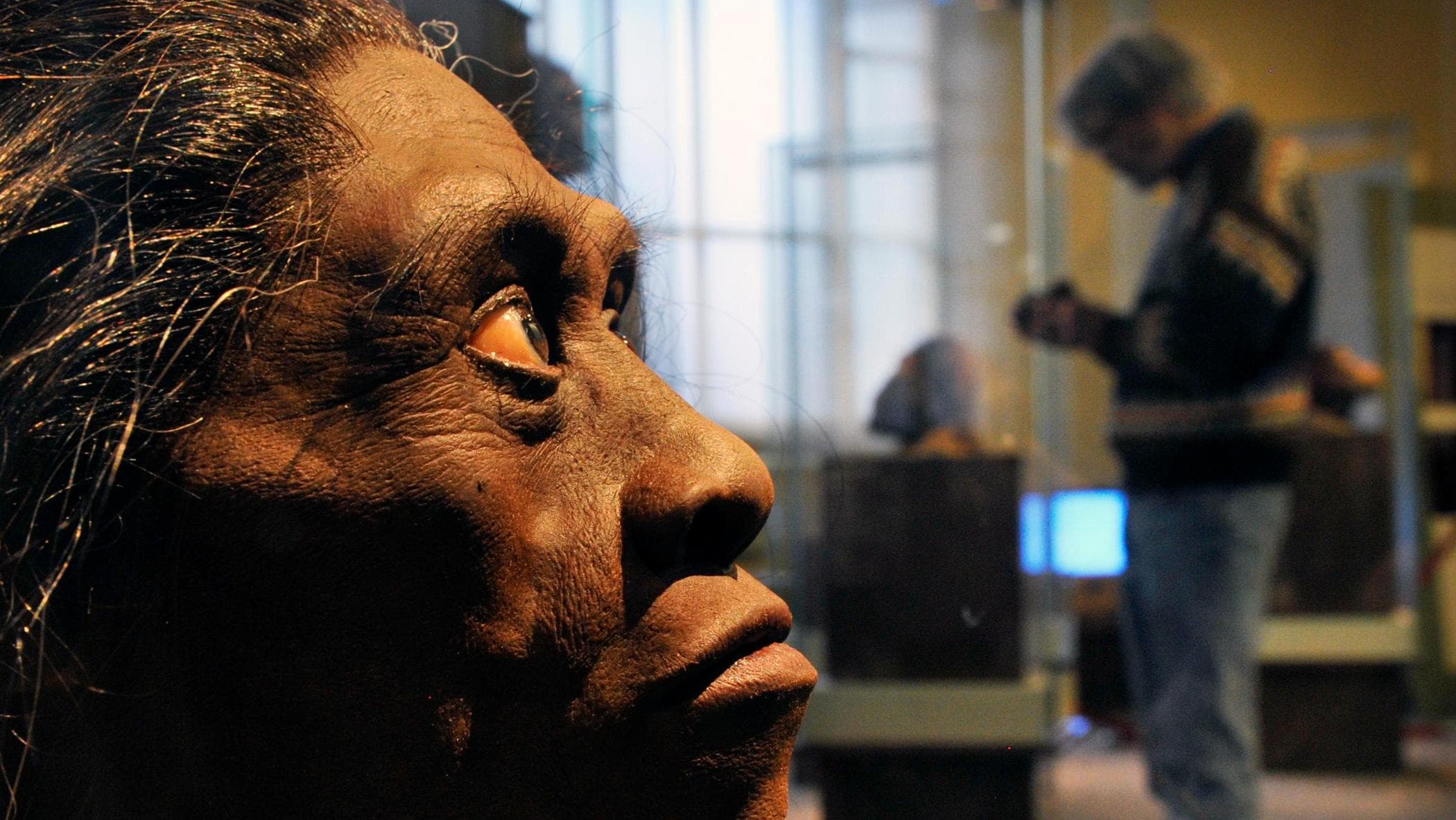
Resti fossili di pasti di questi ominini estinti suggeriscono che non sarebbero stati in grado di cacciare e di sfruttare il…