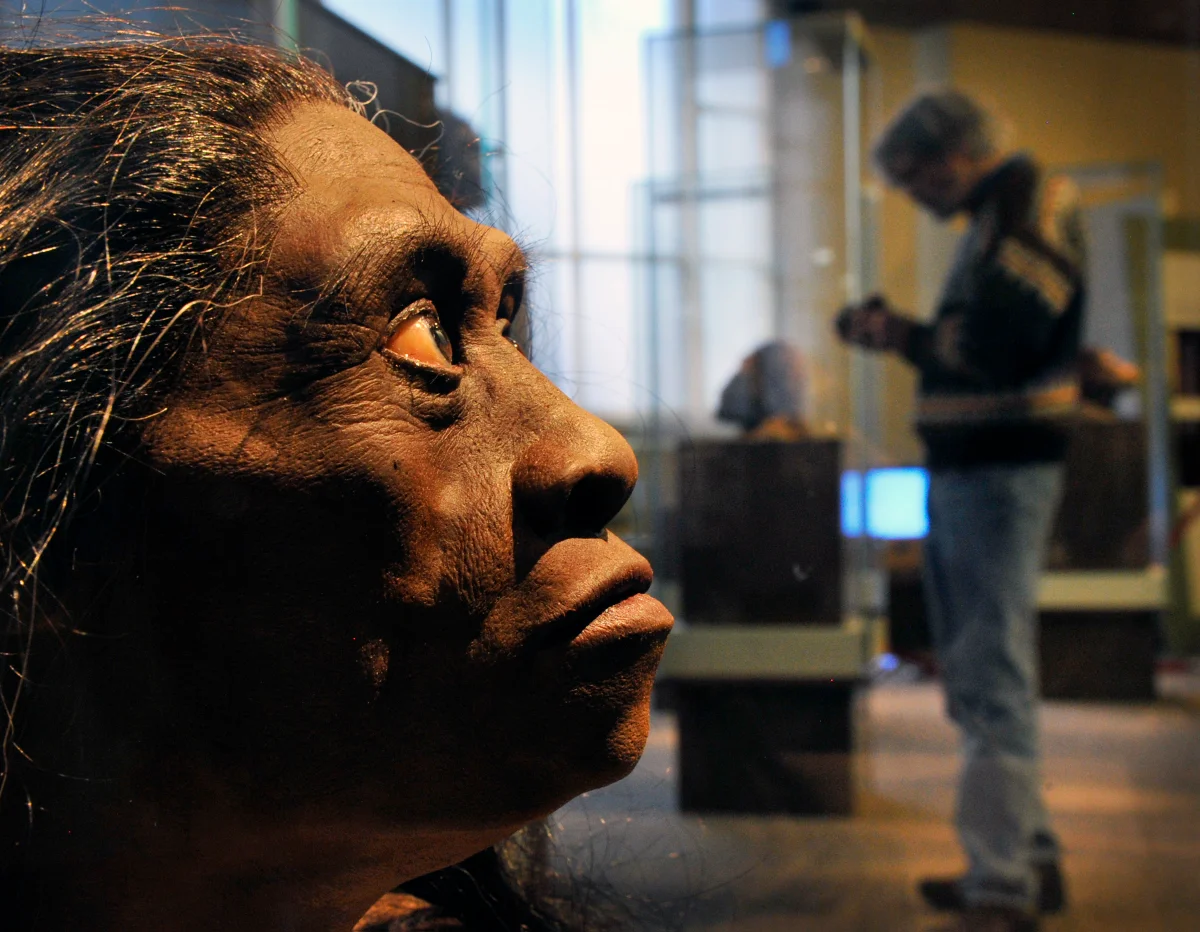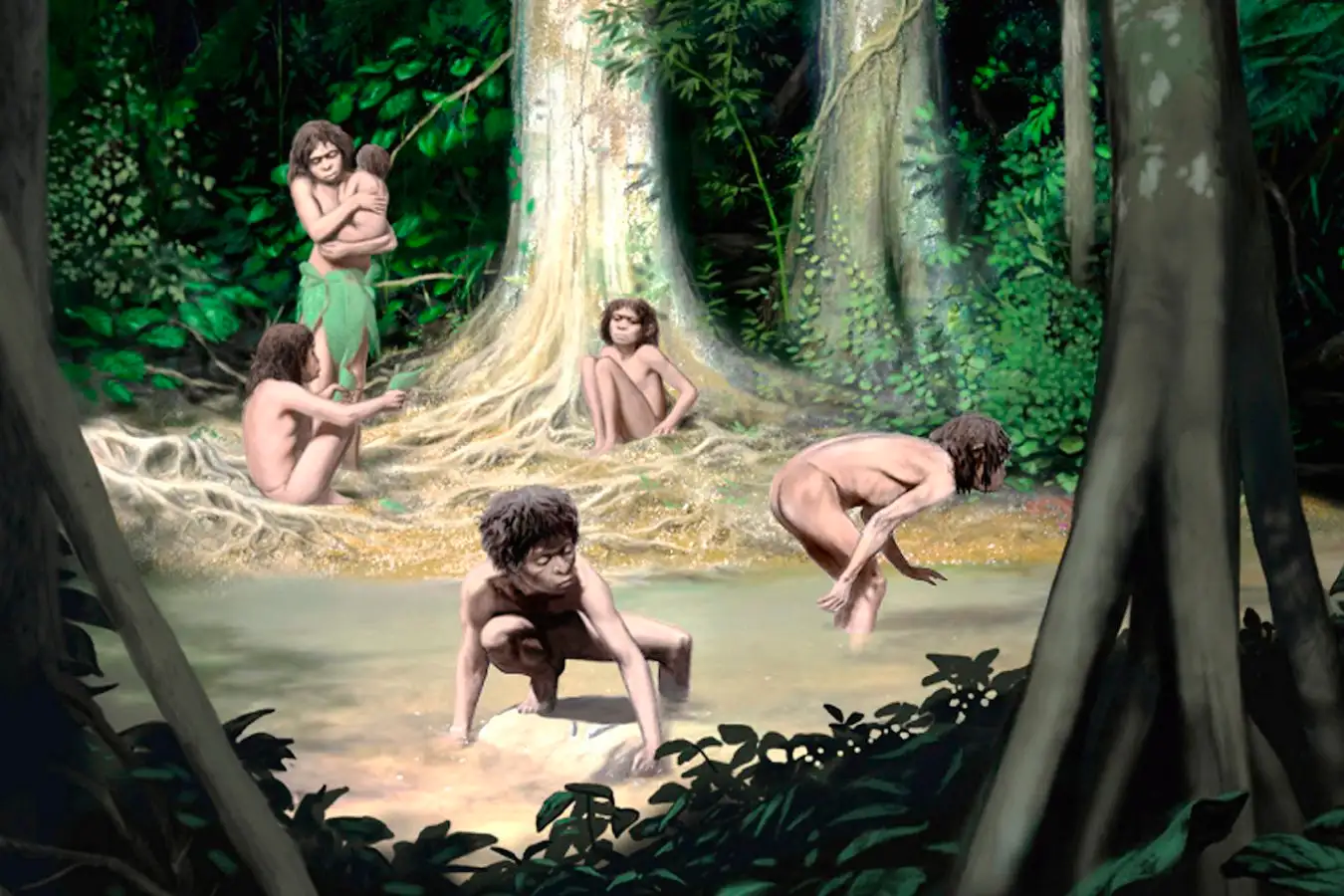
Homo floresiensis was a small hominin that lived on the island of FloresLIONEL BRET/EURELIOS/SCIENCE PHOTO LIBRARY
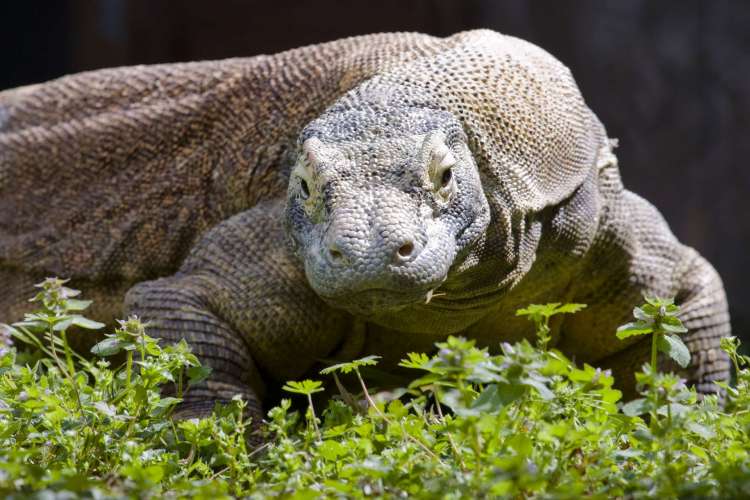
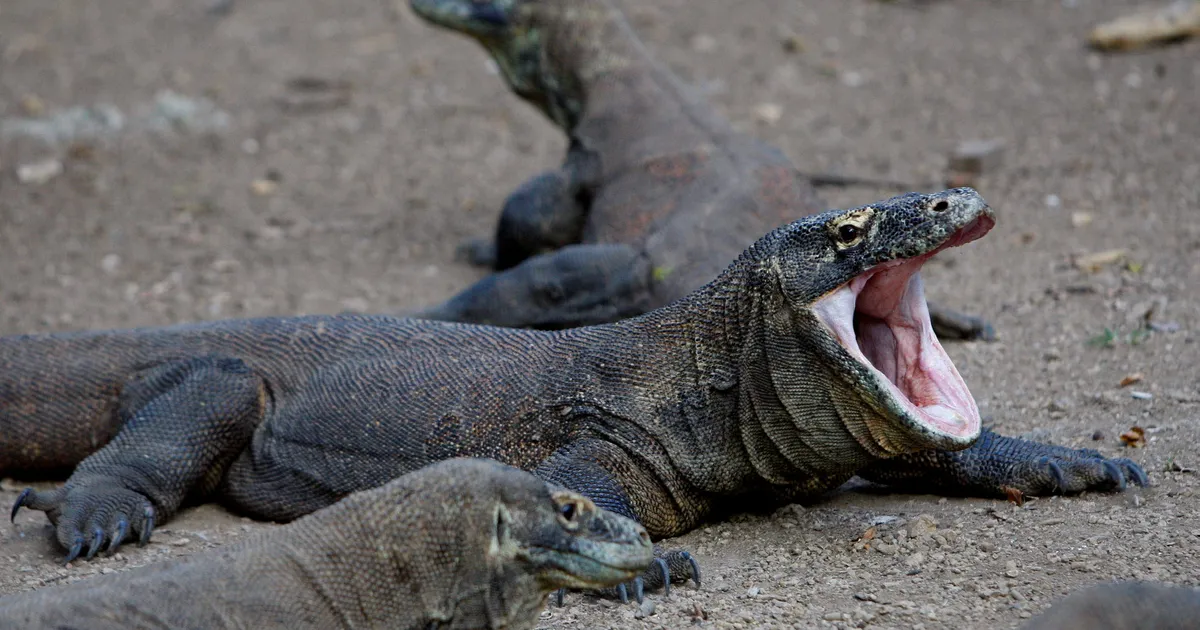
The diminutive ancient humans nicknamed hobbits that lived on the Indonesian island of Flores until around 50,000 years ago had limited hunting skills, according to a study of animal bones found in their caves. Instead, researchers think they scavenged meat that was left behind by Komodo dragons.
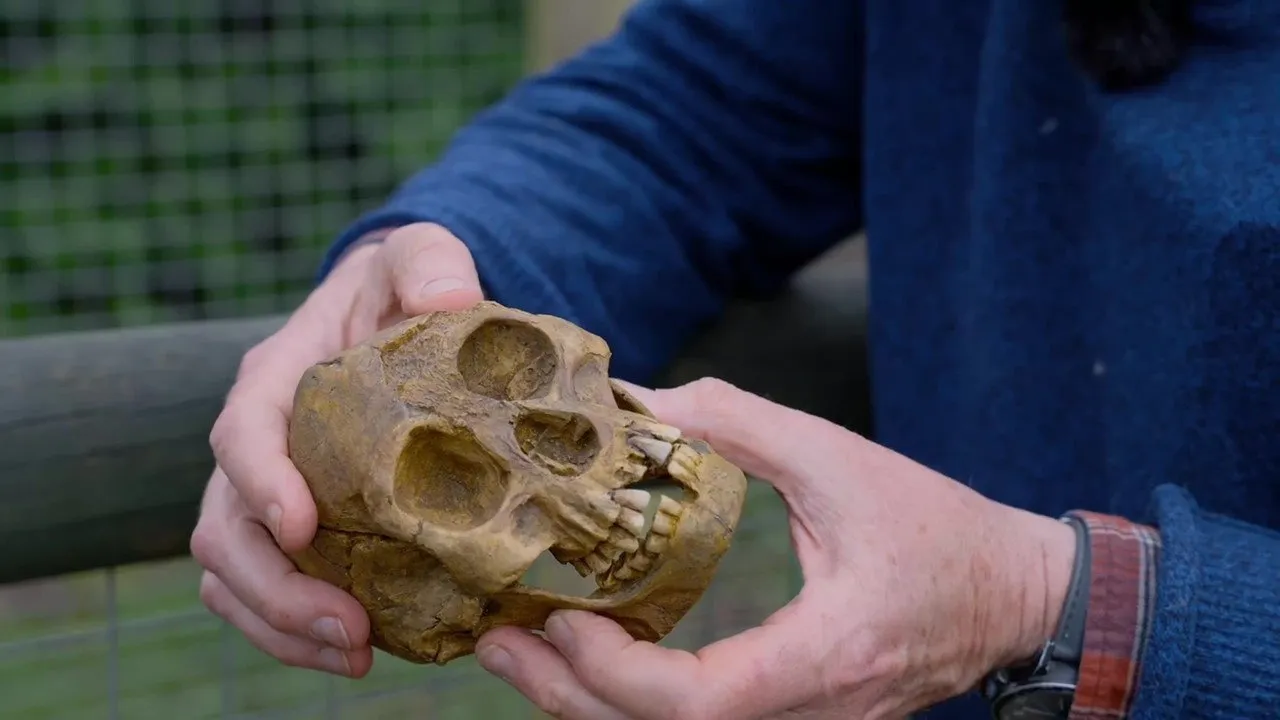
Fossils of Homo floresiensis were first announced to the world in 2004. These humans stood just over a metre tall and their remains have been dated to between 90,000 and 50,000 years old.
Based on stone tools and blackened bones found alongside their remains, it was initially thought they were capable of advanced behaviour such as the controlled use of fire and ability to hunt the largest animals on their island. But in recent years, the cognitive abilities of these small-brained hominins have been a matter of debate.
“I would argue that our field at large still holds on to this idea that Homo floresiensis had to have some form of advanced cognition to have reached the island and survived in a depauperate faunal community, regardless of brain size,” says Elizabeth Veatch at the Smithsonian Institution in Washington DC.