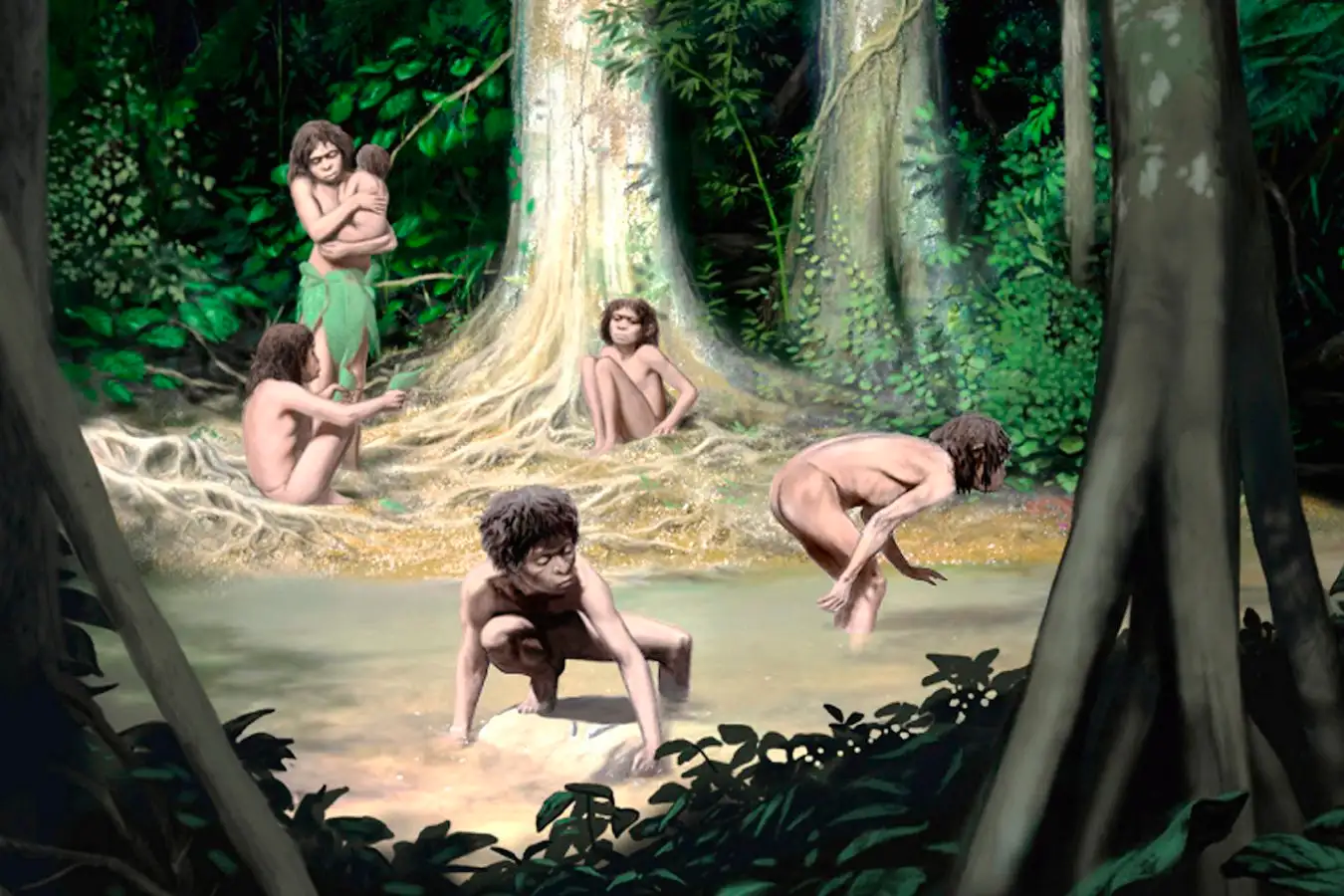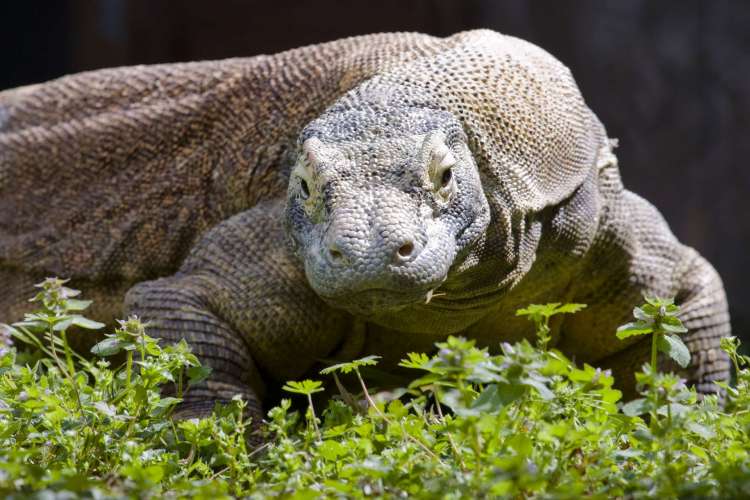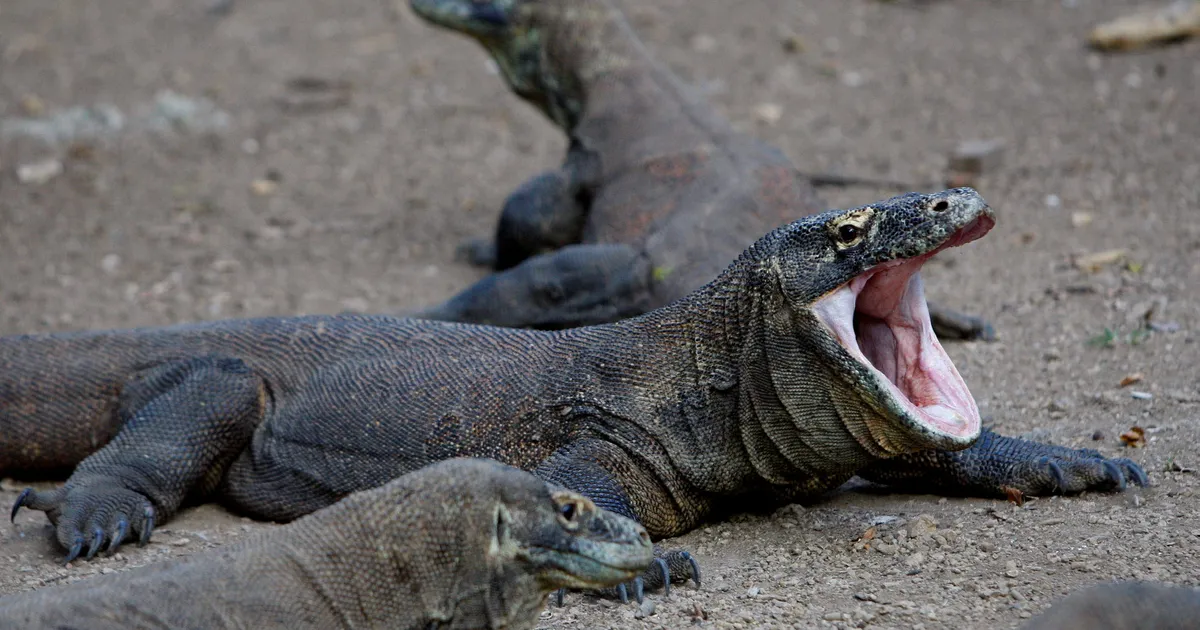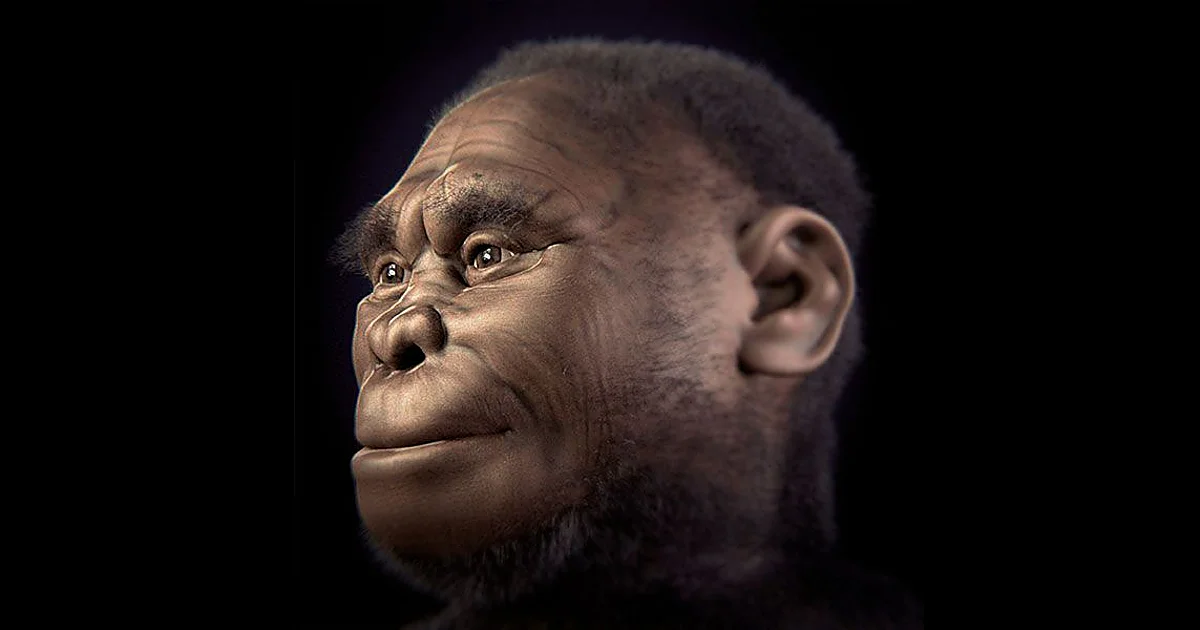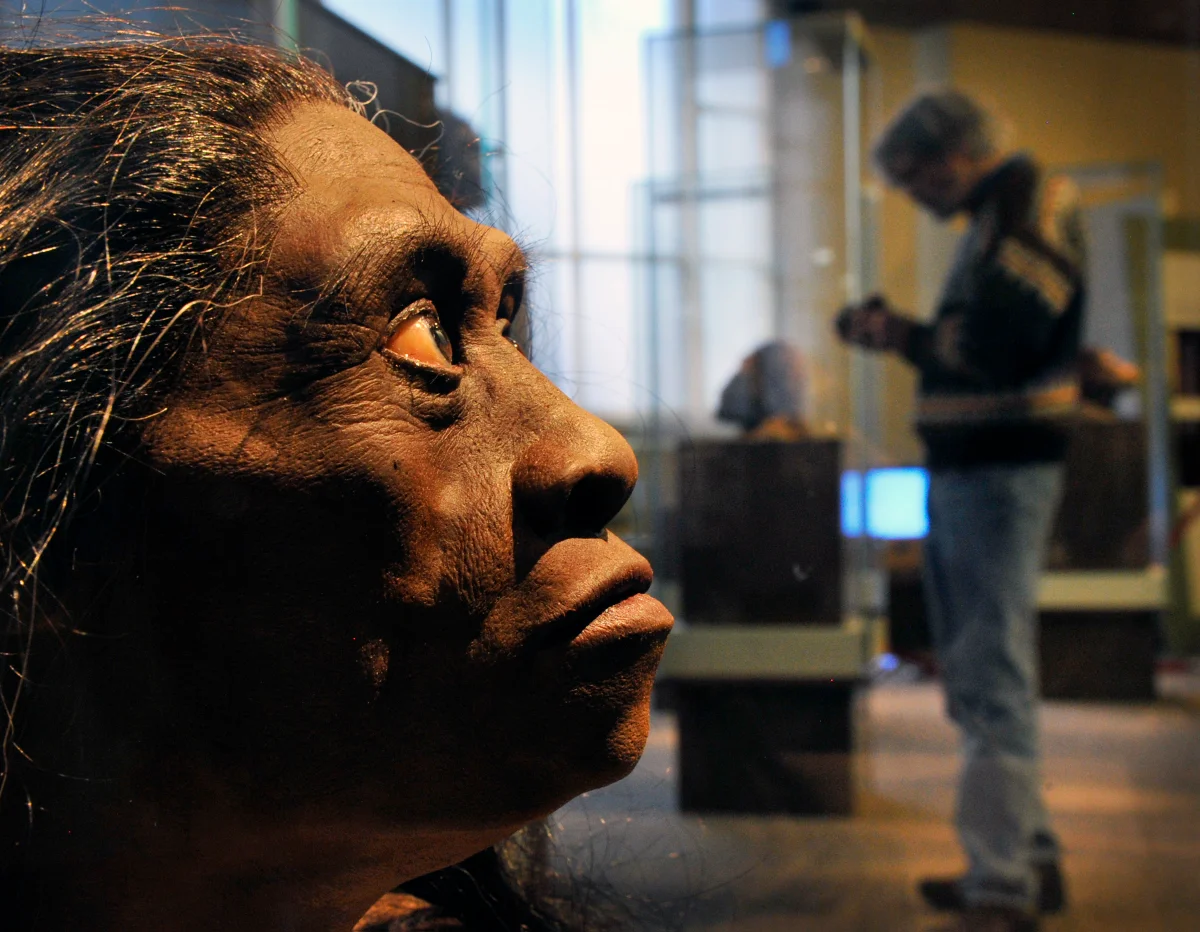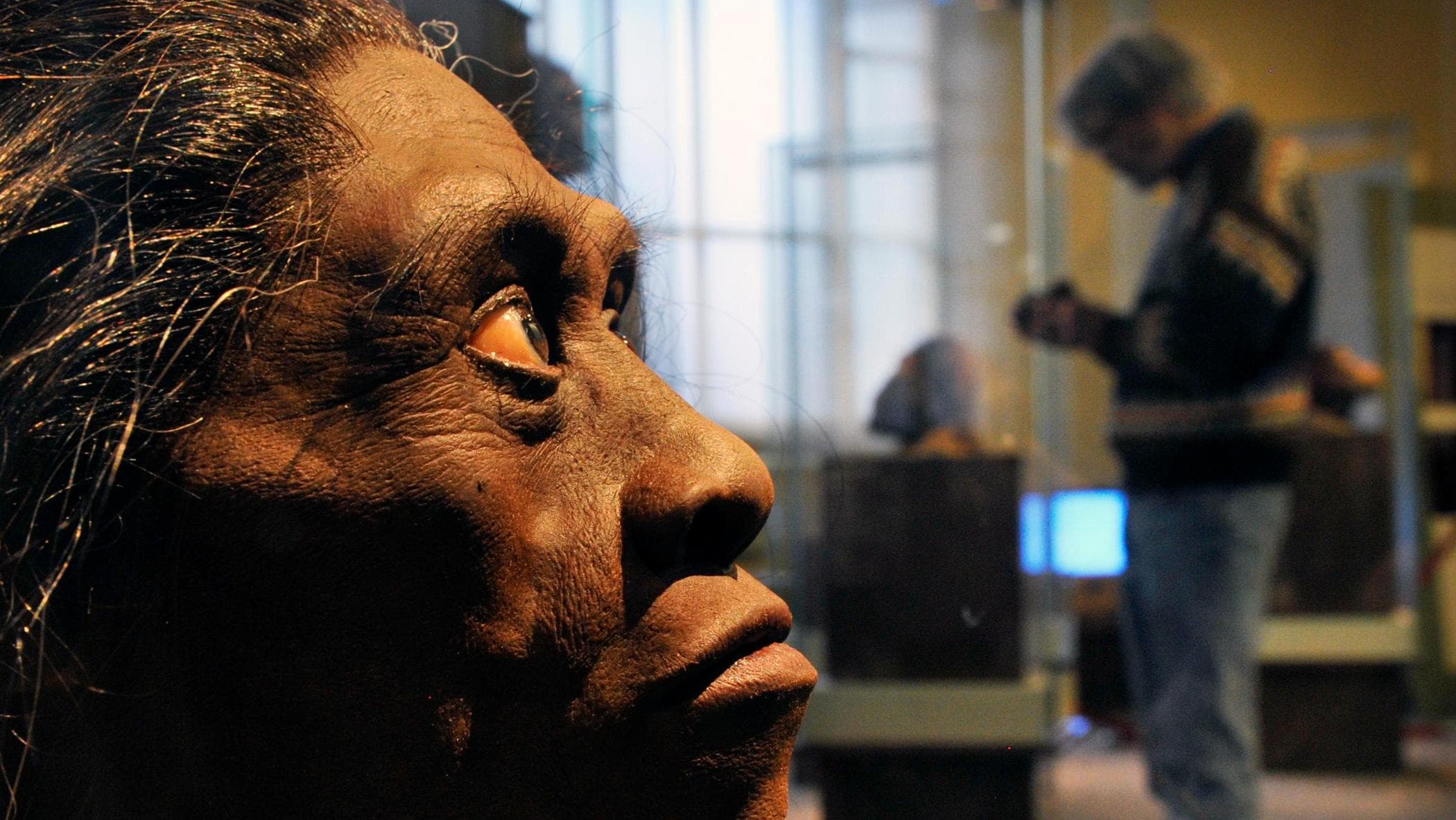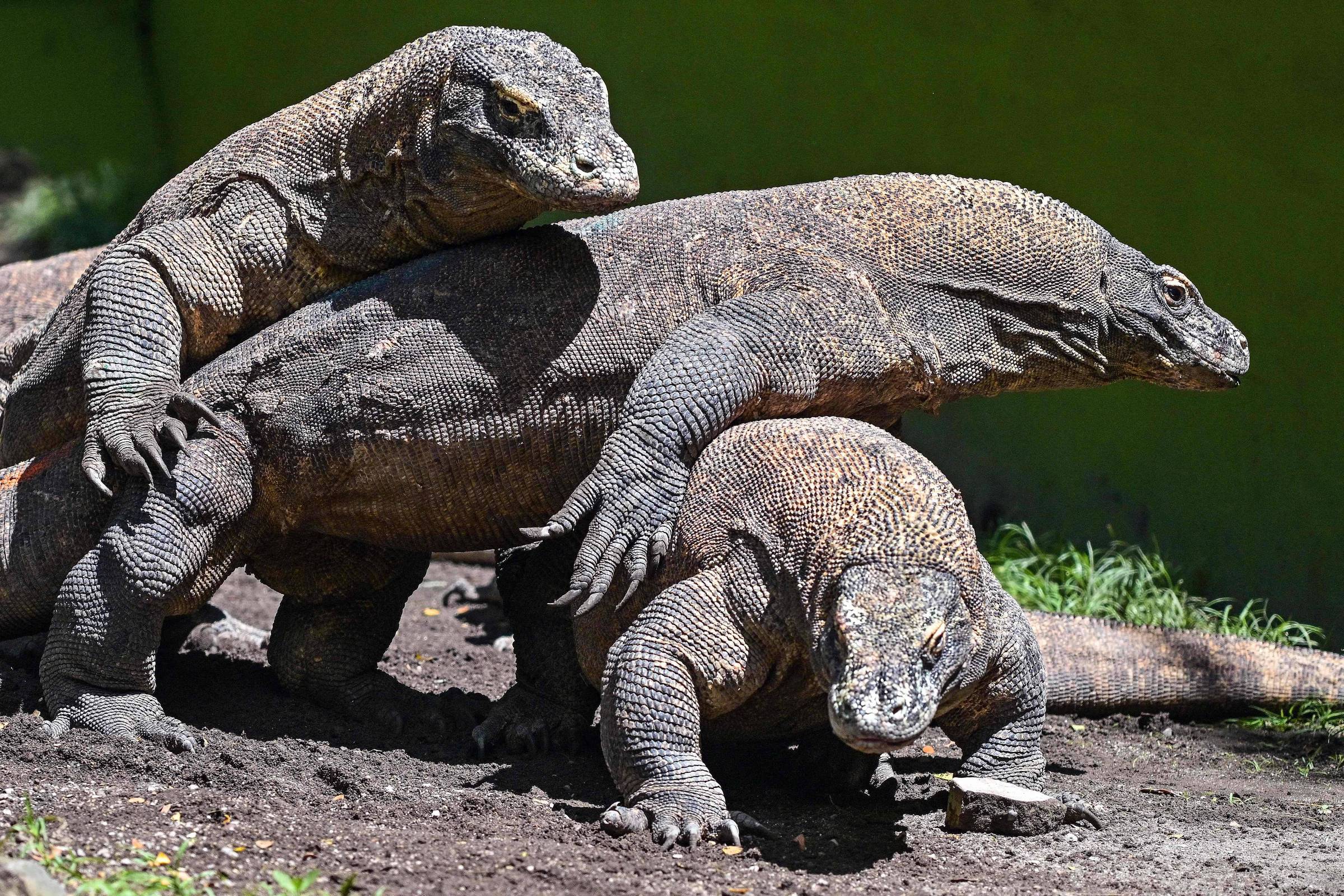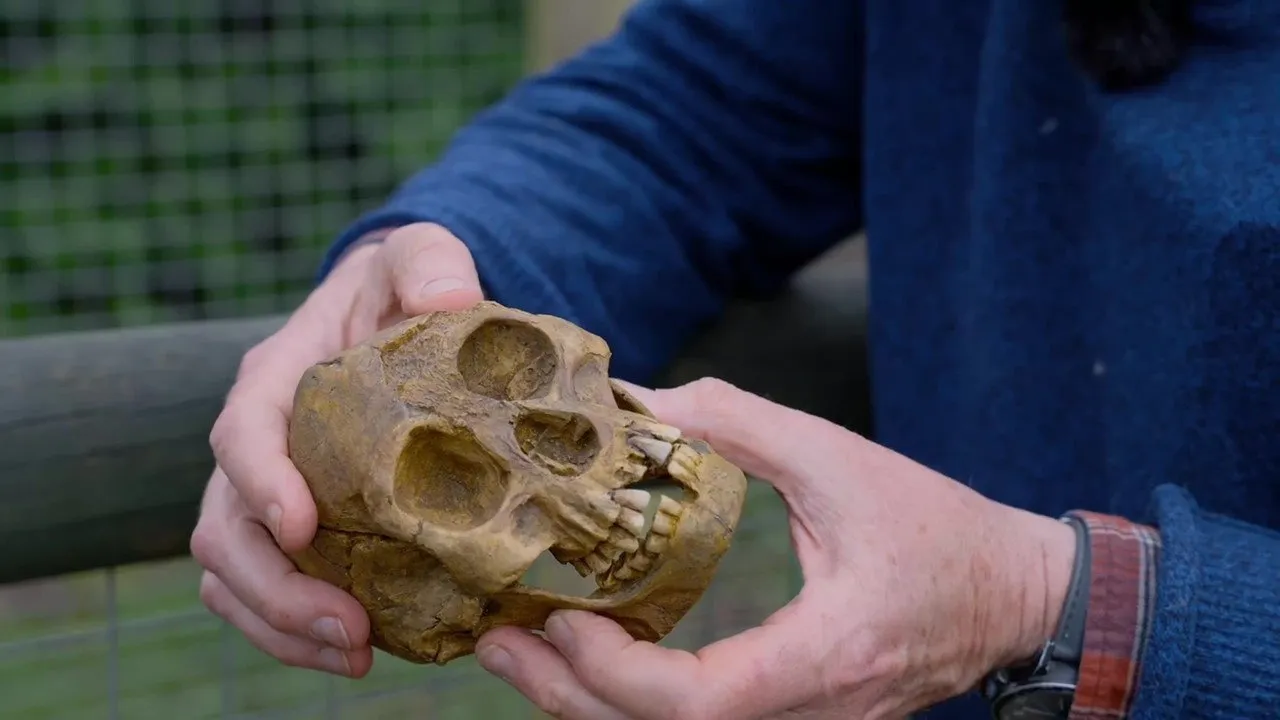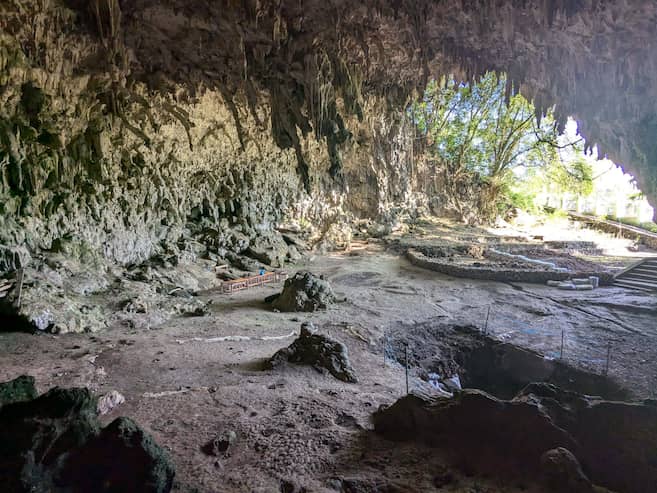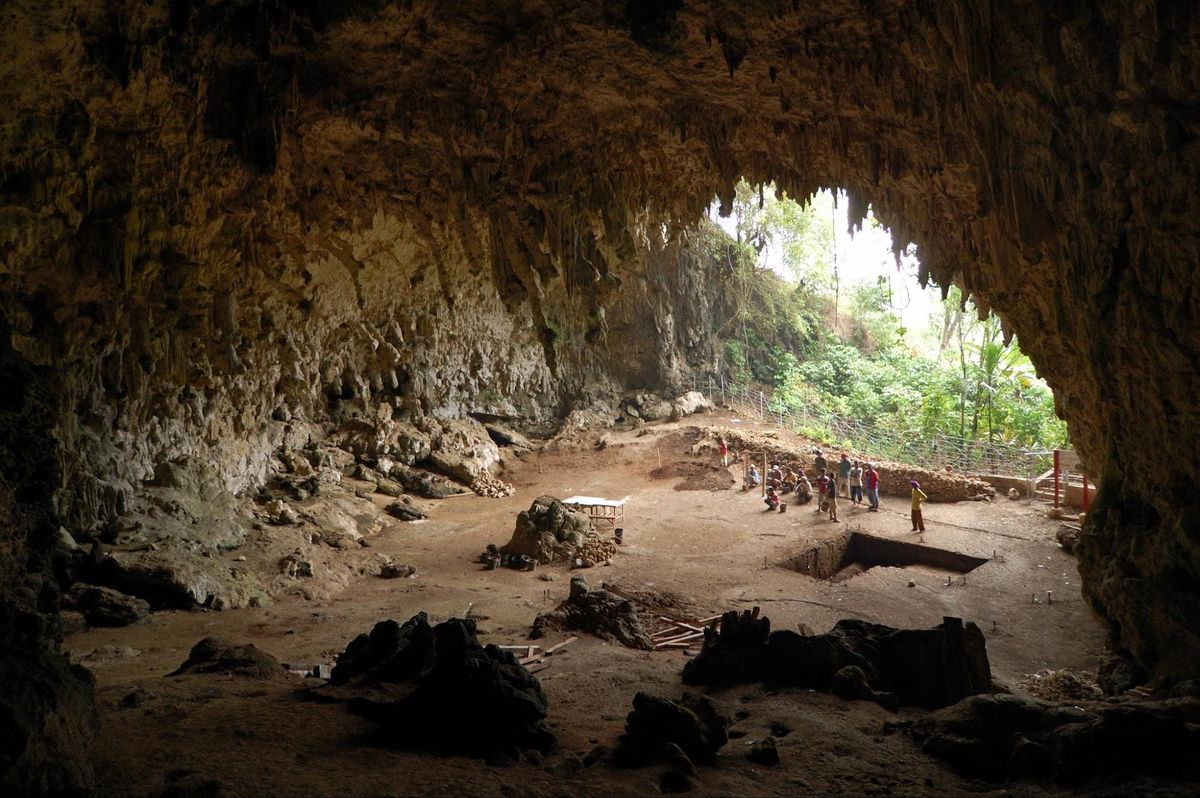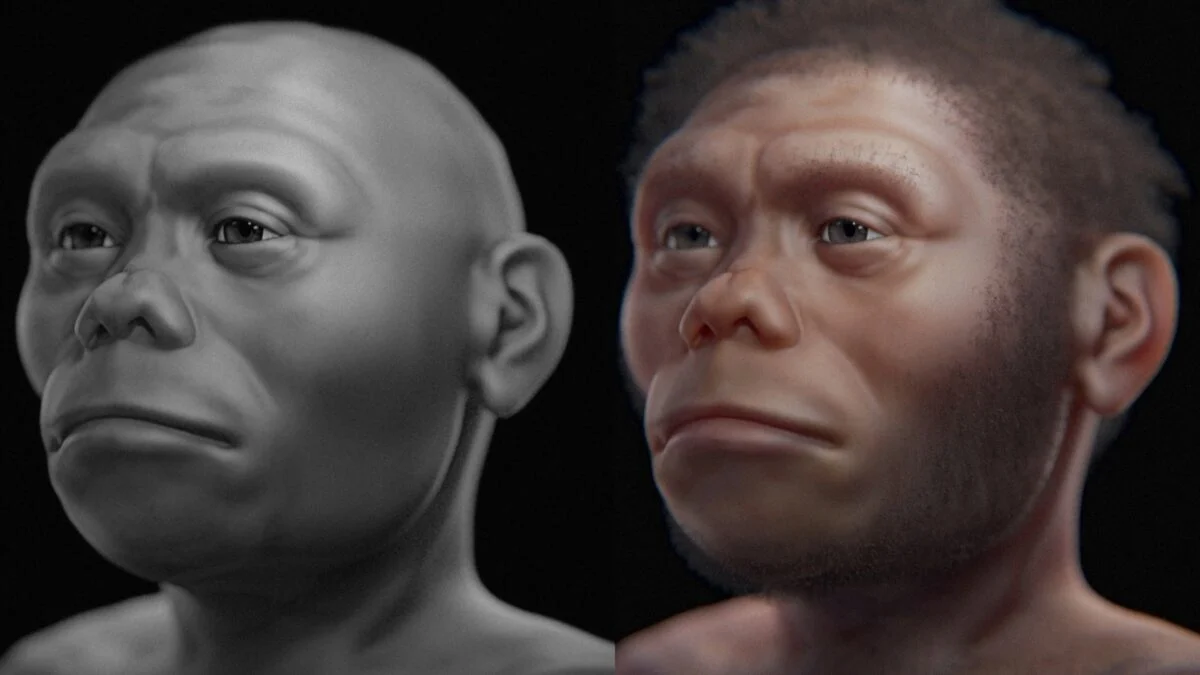
Anthropologists have been debating the life and times of Indonesia’s prehistoric “hobbit-like” human ancestor, Homo floresiensis, ever since the remains of the first known specimen were discovered on the island of Flores in 2003. How small could an individual H. floresiensis really be? (Pretty small!) Are we sure H. floresiensis was really its own species? (Yes, can confirm.) What did these little folks eat? (Giant rats sometimes, maybe.) Etc. Now, an international team of scientists collaborating with the Smithsonian’s Human Origins Program in Washington D.C. has determined that these diminutive early hominins might have been less hunter-gathers than scavengers. The researchers analyzed ancient “predatory marks” left behind on the skeletal remains of a small and now-extinct cousin to today’s elephants, Stegodon florensis insularis, which appear to indicate that H. floresiensis snuck meals away from the fresh Stegodon leftovers of Komodo dragons. The American Association for the Advancement of Science likened the find to the quintessential “second breakfast” enjoyed by Tolkien’s hobbits of Middle Earth, which (despite a strong fantasy nerd compulsion) I’m not going to quibble with. But, perhaps more importantly, the findings indicate that H. floresiensis may not have been as sophisticated as prior research has argued—making them unlikely to be either big game hunters or masters of fire, as anthropologists had once theorized.
Here’s How This 'Hobbit'-Like Human Ancestor Survived on an Island with Komodo Dragons
Researchers working with the Smithsonian poured over 10,061 artifacts and other elements to determine whether tiny ‘Homo floresiensis’ used fire or hunted big game.
664 words~3 min read