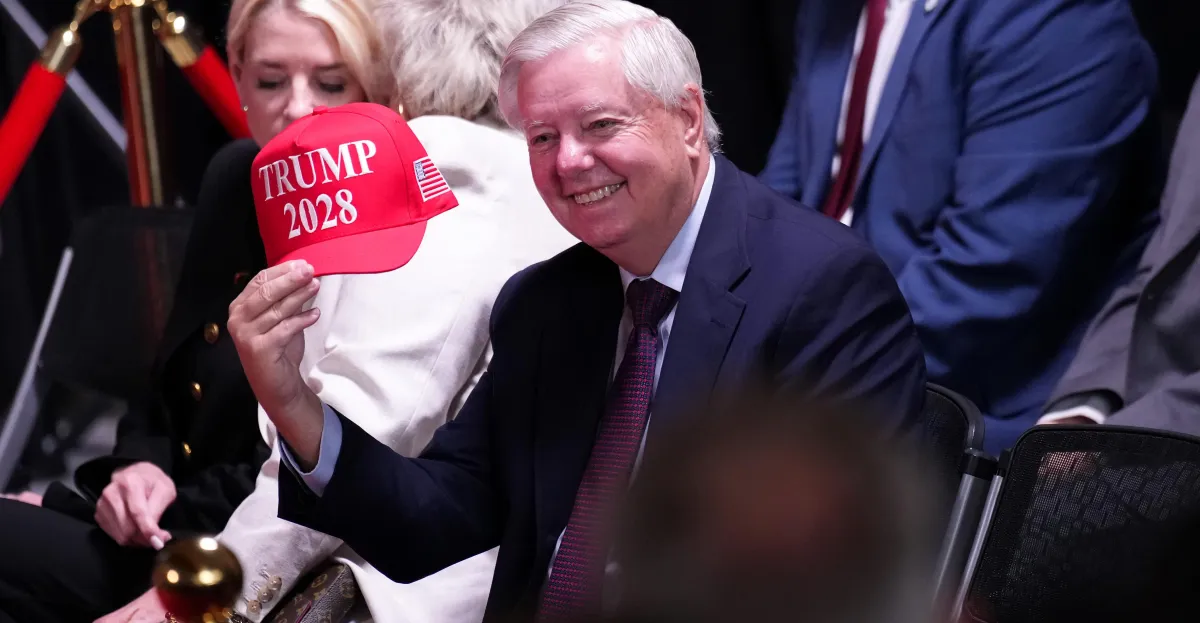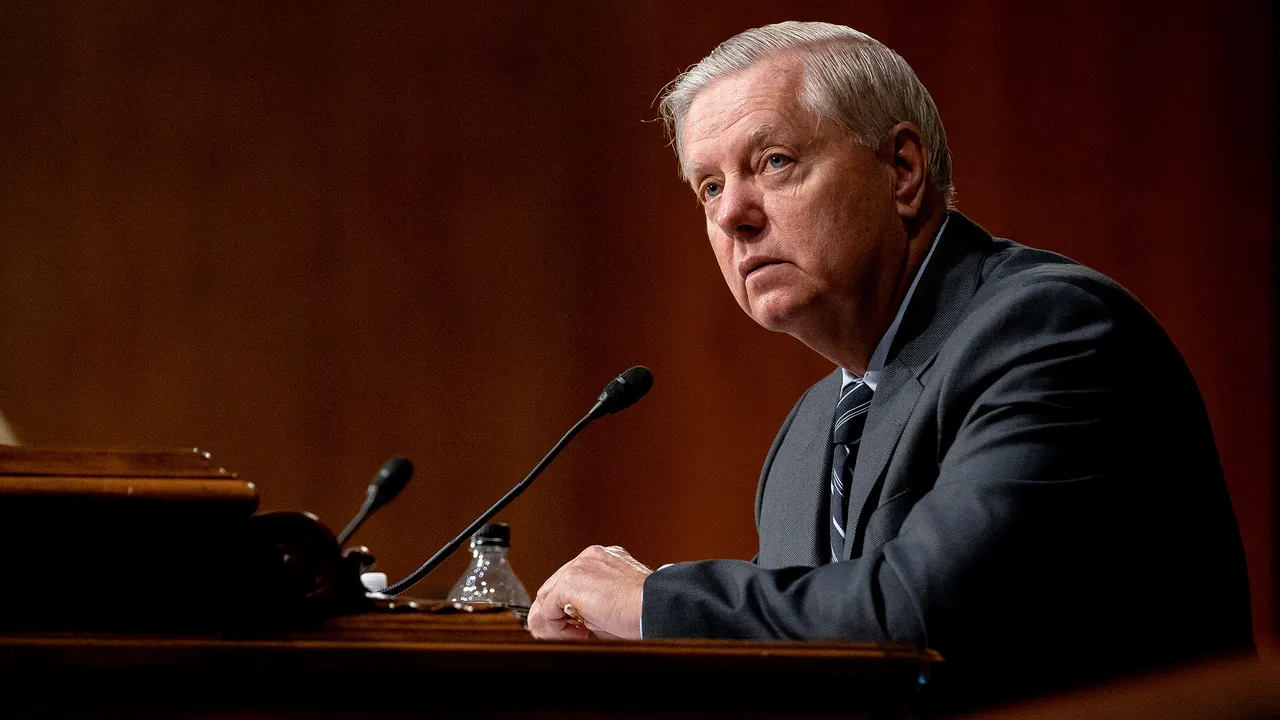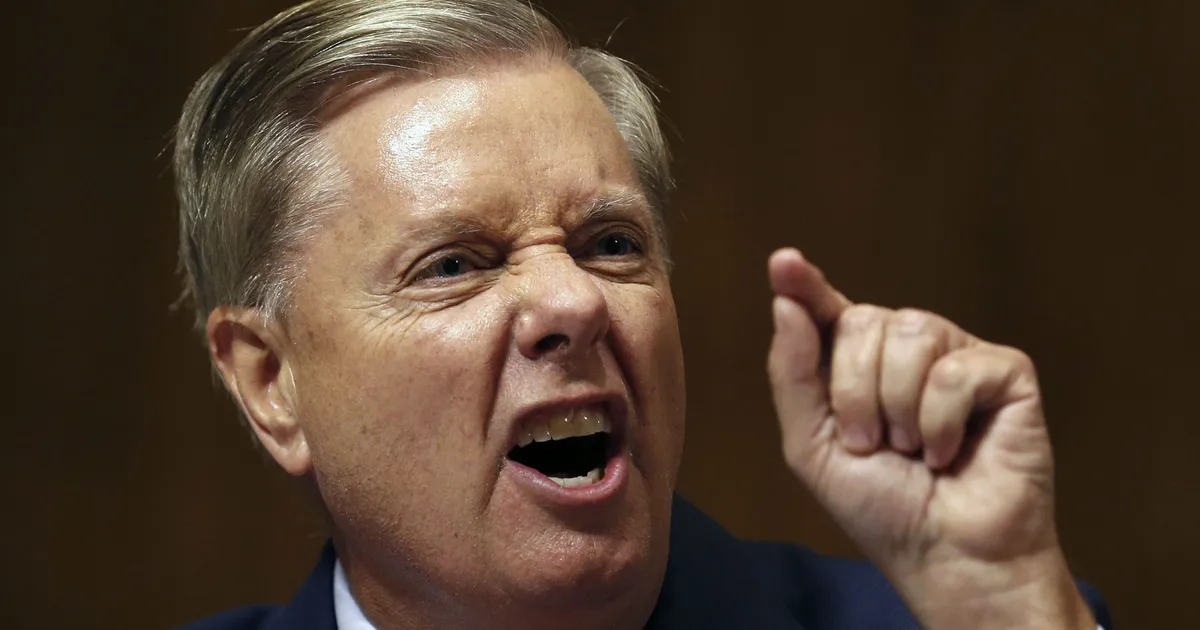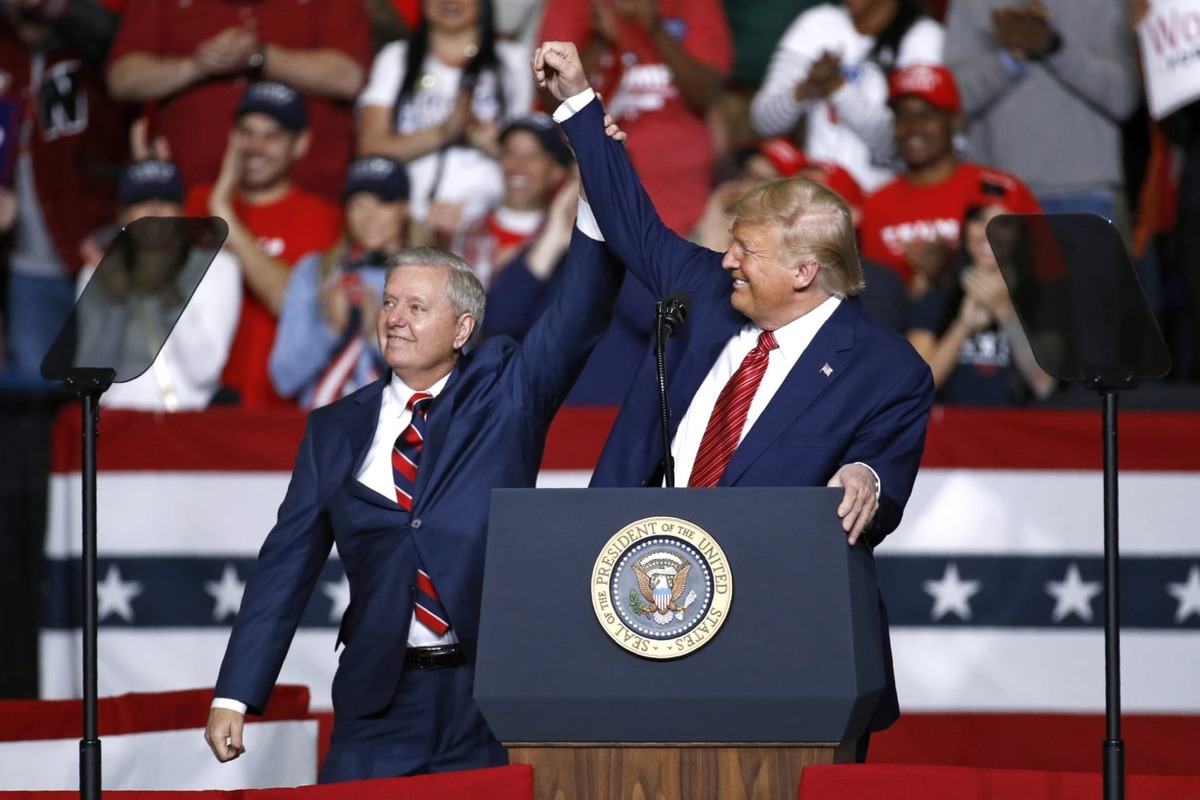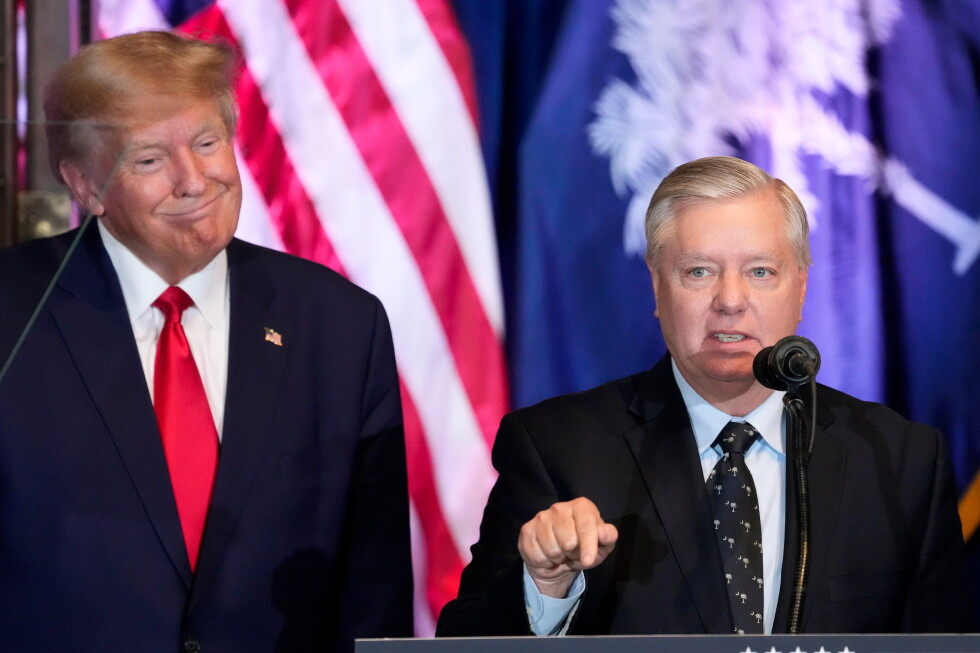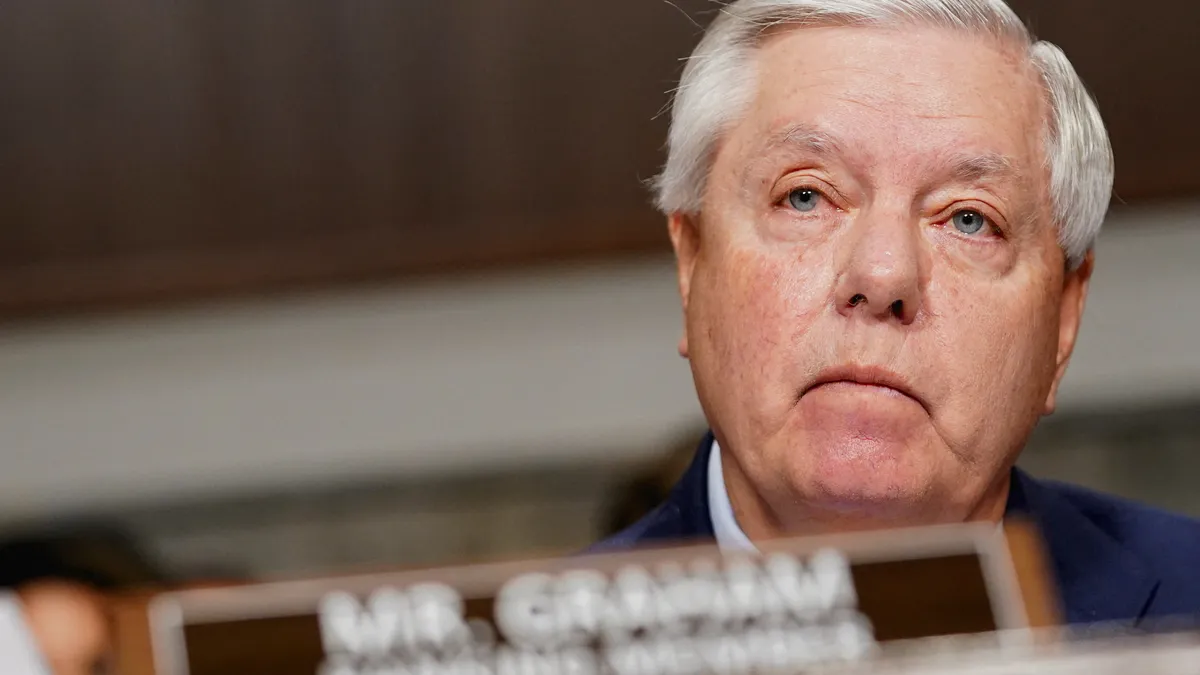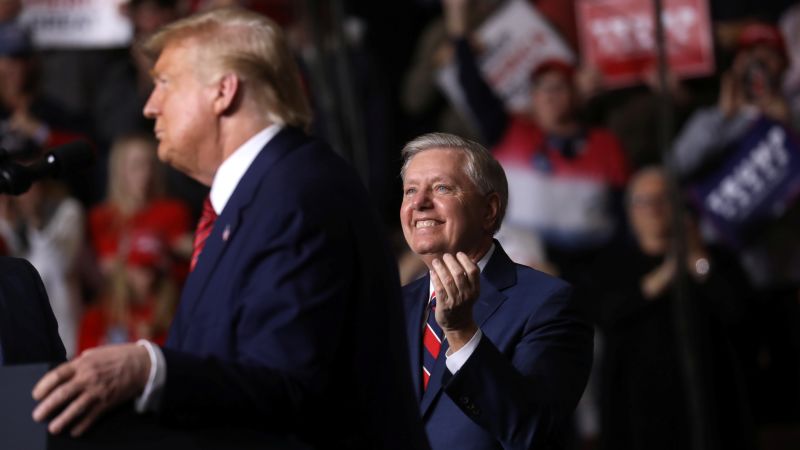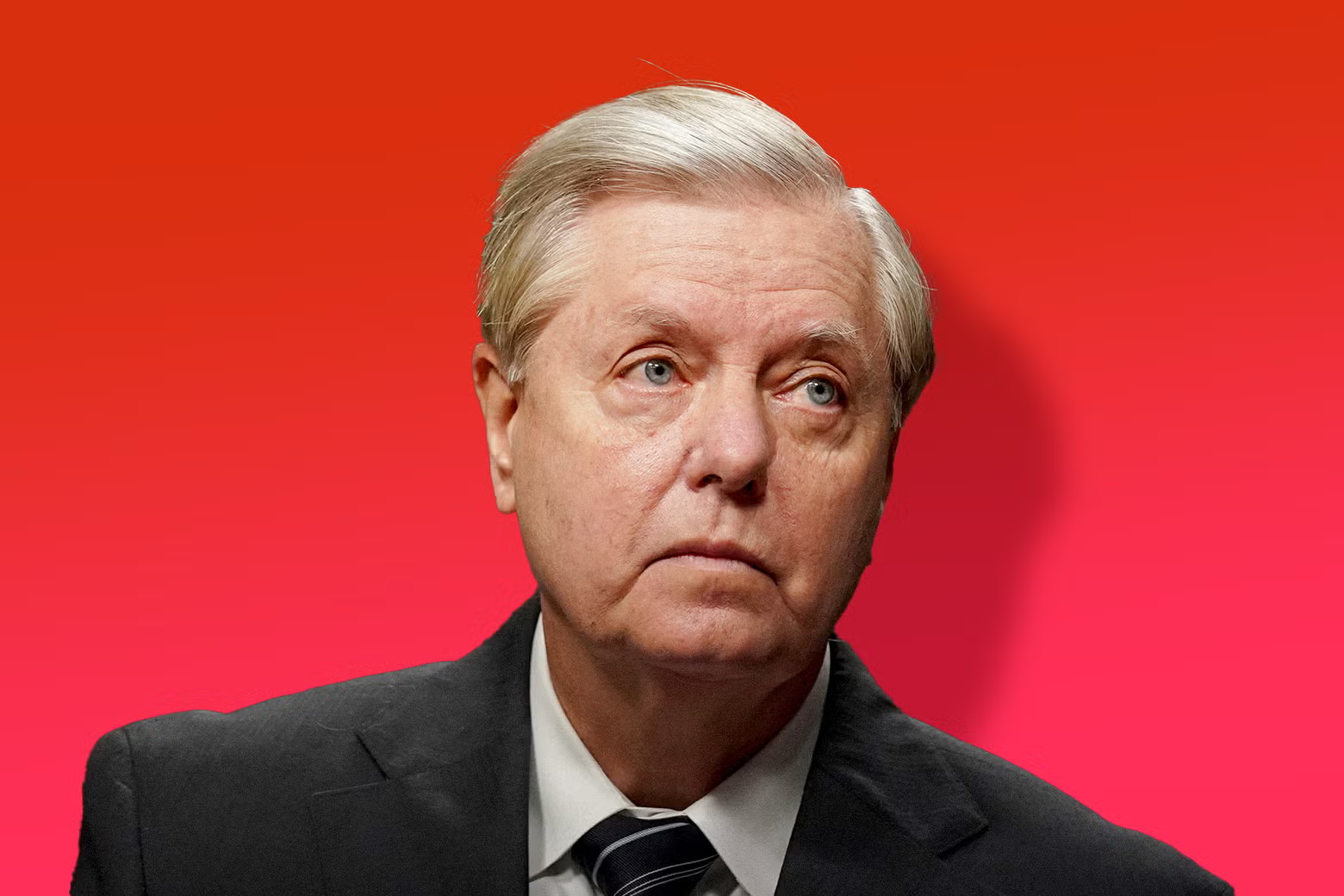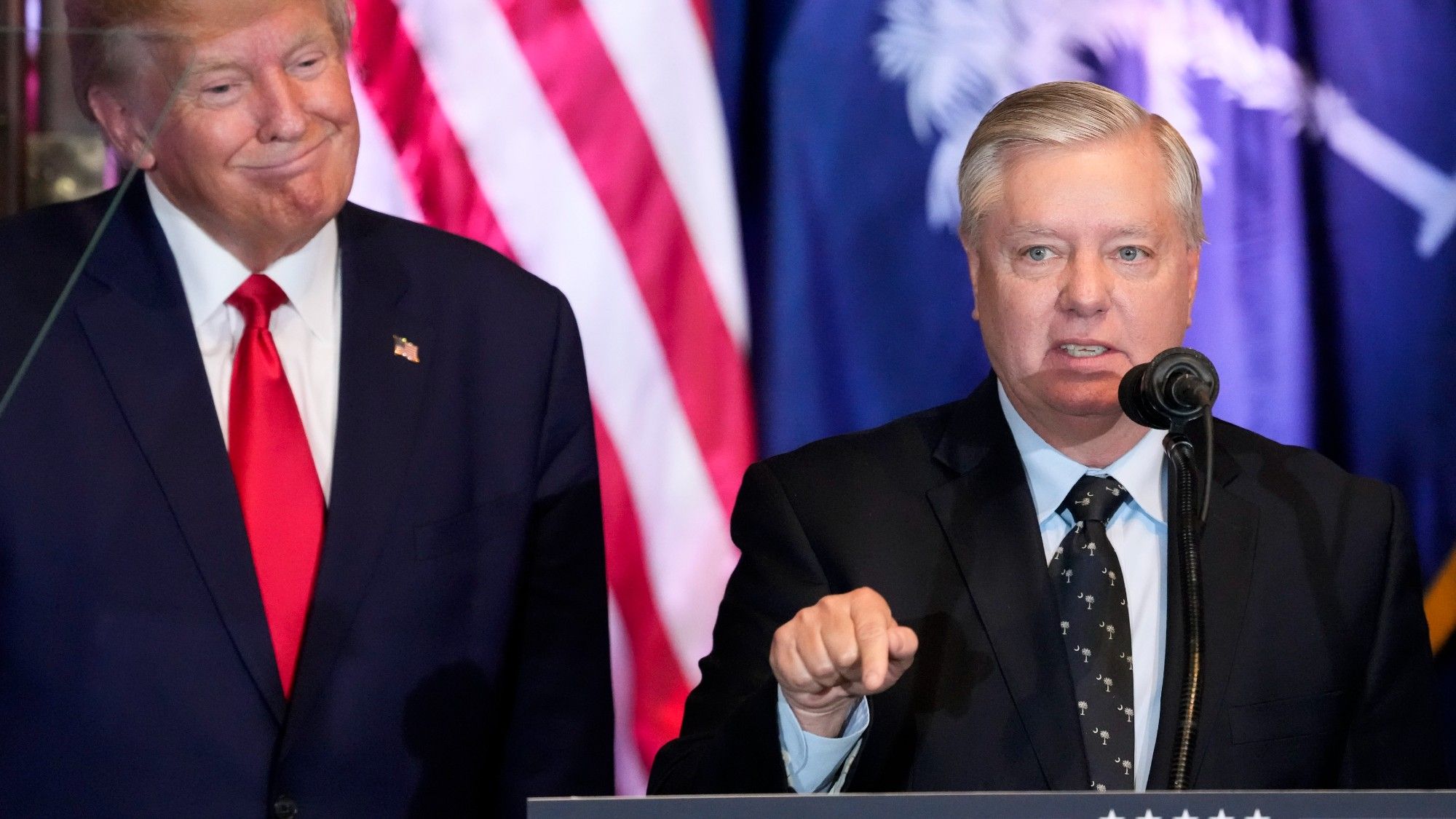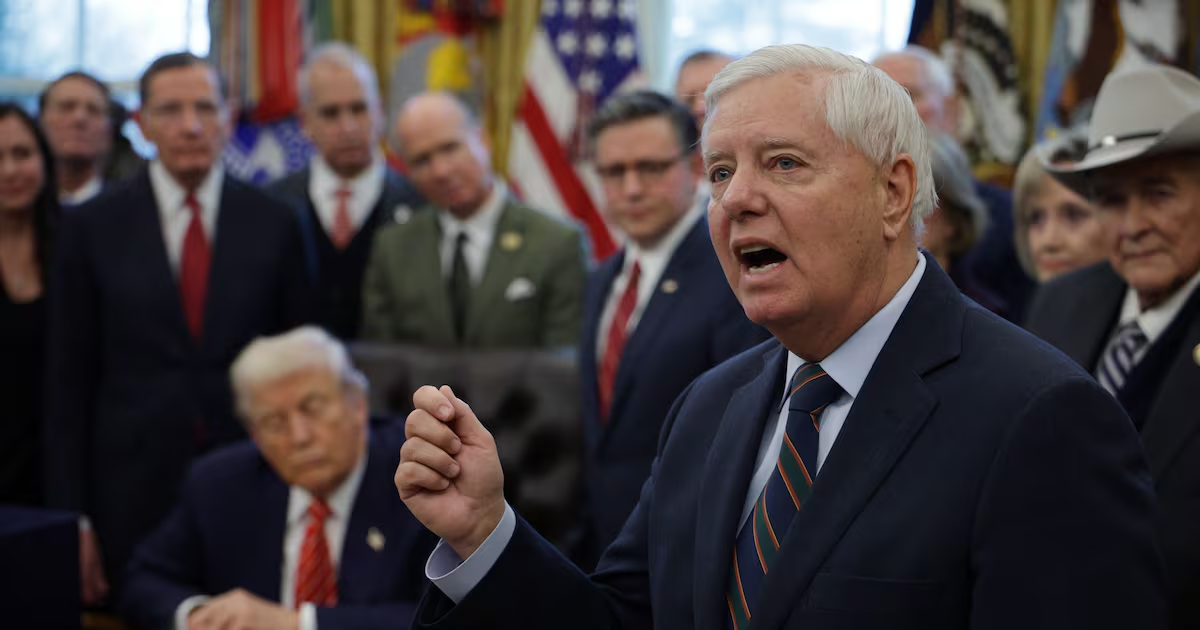
US senator publicly abandoned his criticism of ‘bigot’ Trump after 2016 to become a staunch advocate for the presidentSenator Lindsey Graham speaks during a Bill signing in the Oval Office of the White House in February 2026. Photograph: Alex Wong/Getty Images) Mon Jul 13 2026 - 07:23 • 6 MIN READThe television credits had hardly finished rolling on Joe Biden’s shattered presidential debate performance on the hot night in June 2024, when Republican boosters took to the spin-room floor to elaborate on what they had just witnessed. They were cock-a-hoop. A huge cluster of media gravitated towards South Carolina senator Lindsey Graham, who was at his most puckish and cordial that night, shaking his head in mock sympathy at Biden’s monumental collapse. Or: was there a scintilla of buried empathy for a former Senate colleague breaking through? For by then, it was accepted that there were two versions of Lindsey Graham: the man who existed before the age of Donald Trump, and the one who morphed into one of his most staunch advocates over the past decade. Suddenly from the crowd came an accusatory question delivered with Etonian hauteur and accent. Biden’s performance was shocking but the overall quality of the discourse between two elderly, cranky men had been dismal.“Is this the best that America’s got, Mr Graham?” The easy smile faded from Graham’s face and so too the pronounced honeyed Carolinian tone from his voice. “Where you from?” he retorted.“Britain? You’re talkin’ to me about how a country [is doing], the government you’ve got? I think we’re doin’ just fine.”On Sunday morning, phoning in to Meet the Press, president Donald Trump sounded as remorseful as he ever has done when talking about the death of Graham. The senator was taken ill at his home in Washington on Saturday night and pronounced dead at the age of 71. Graham had just returned from his latest visit to Ukraine to meet president Volodymyr Zelenskiy and to demonstrate his support for the ongoing war effort. Trump divulged that Graham had telephoned him to discuss the trip. “He sounded a little bit tired. We thought we might even meet today. And that was it, around the time, it couldn’t have been much longer – it could have been his last call. I don’t know exactly. I can’t believe it. He was like a member of the family to me, it’s very tough actually.”For a few hours, anyway, a degree of bipartisan decency was restored to Washington politics as Graham’s colleagues remembered a sharp humour, a pronounced foreign policy hawk with a strong grasp of international diplomacy and a 71-year-old veteran senator who smoothly made the transition from Bush-era Republicanism to the Trump-controlled party.Graham was among the crowded field of Republican presidential candidates who ran in the 2015 primary under the grave misapprehension that Trump was a joke candidate. His own campaign, which was framed around his foreign policy agenda, got very little traction. He was incensed with Trump for mocking the war and military record of John McCain, one of his closest friends. He memorably described Trump, as a “race-baiting, xenophobic, religious bigot” as he left the race and by the spring of 2016 issued a warning, via Twitter that if Trump won the nomination, the Republican Party “will get destroyed ... and we will deserve it”.What happened? In a summation published in The Atlantic on Sunday, historian and author Anne Applebaum recalled meeting Graham in the spring of 2016 at a security conference in Europe, by which time Trump’s grip on the party was tightening.“He seemed too depressed to speak,” she wrote. President Donald Trump with senator Lindsey Graham during a campaign rally in Charlotte, North Carolina, on March 2nd, 2020. Photograph: Doug Mills/The New York Times
Lindsey Graham betrayed his younger self by becoming Trump’s golf buddy and confidant
US senator publicly abandoned his criticism of ‘bigot’ Trump after 2016 to become a staunch advocate for the president
1,391 words~6 min read