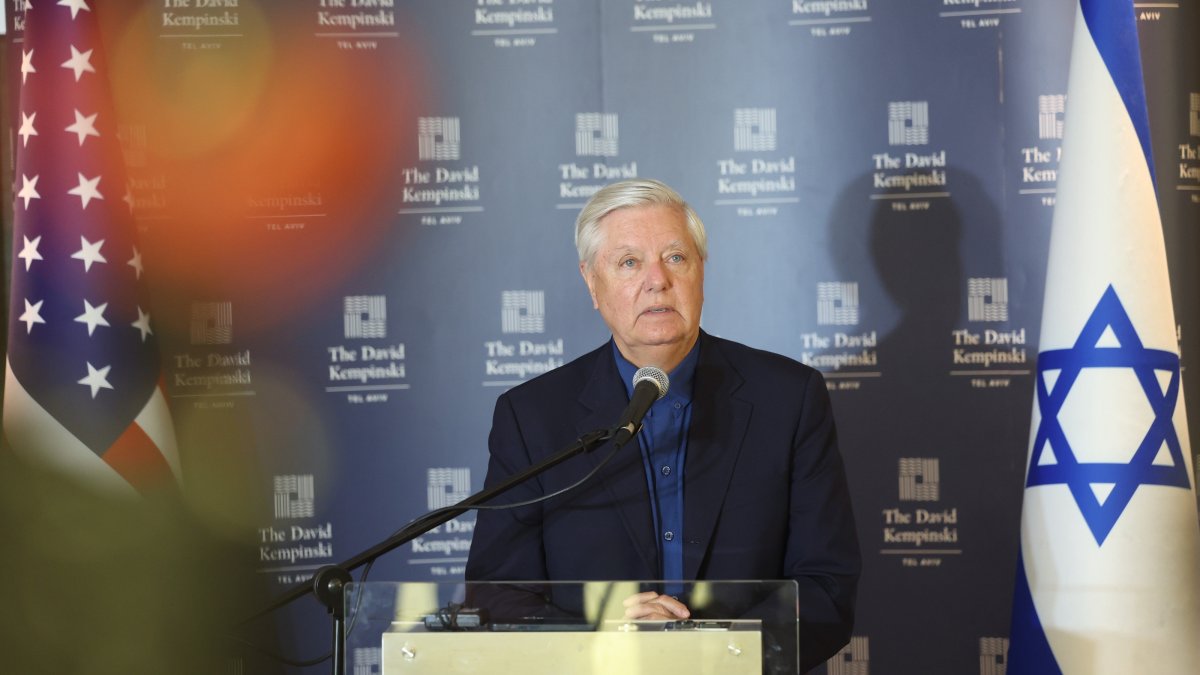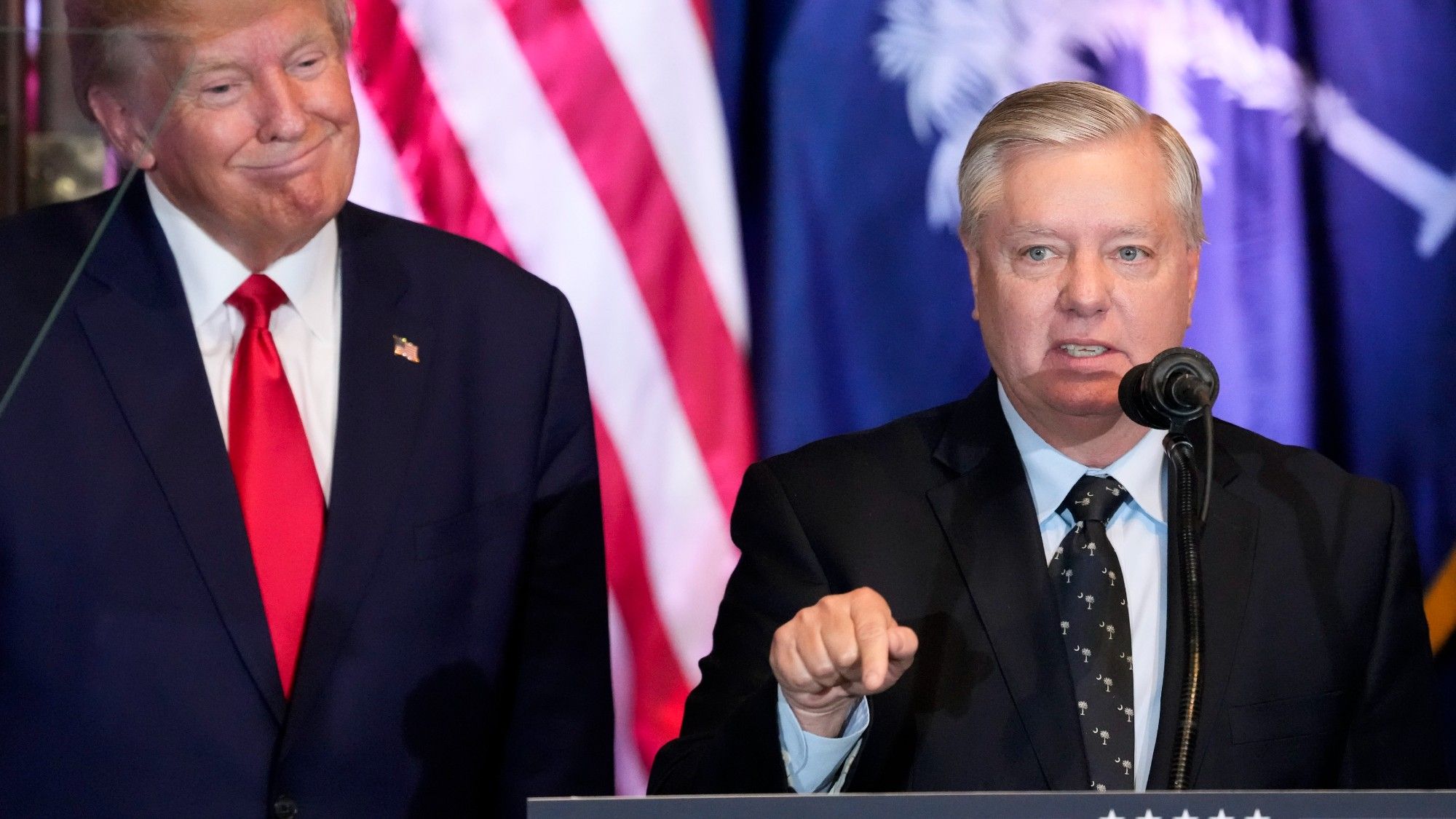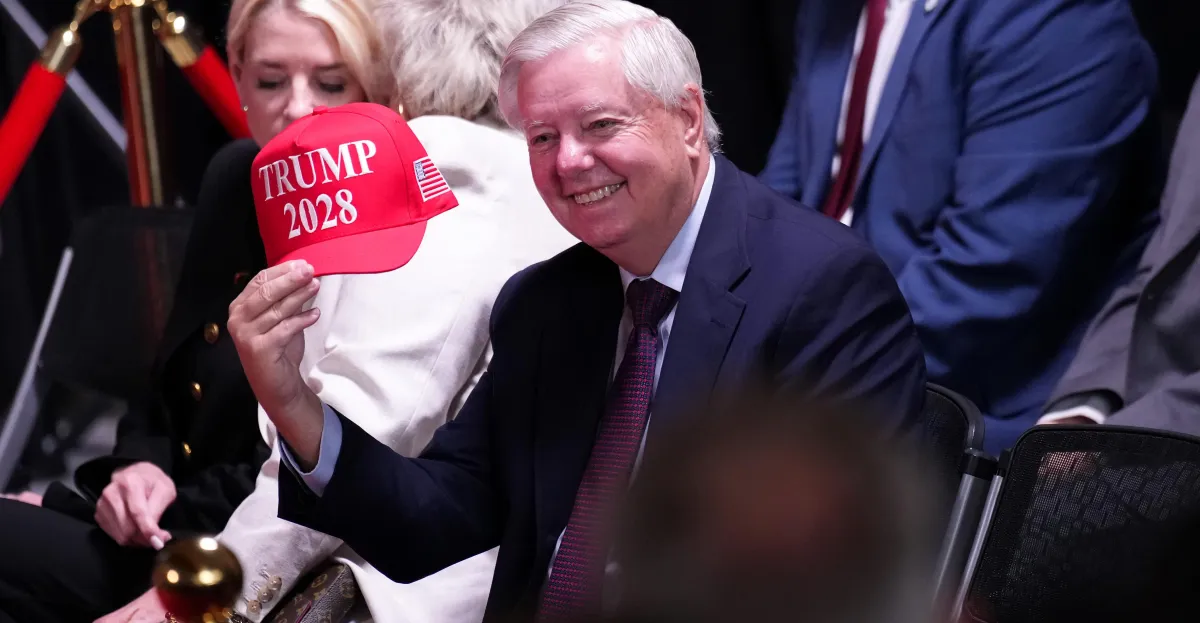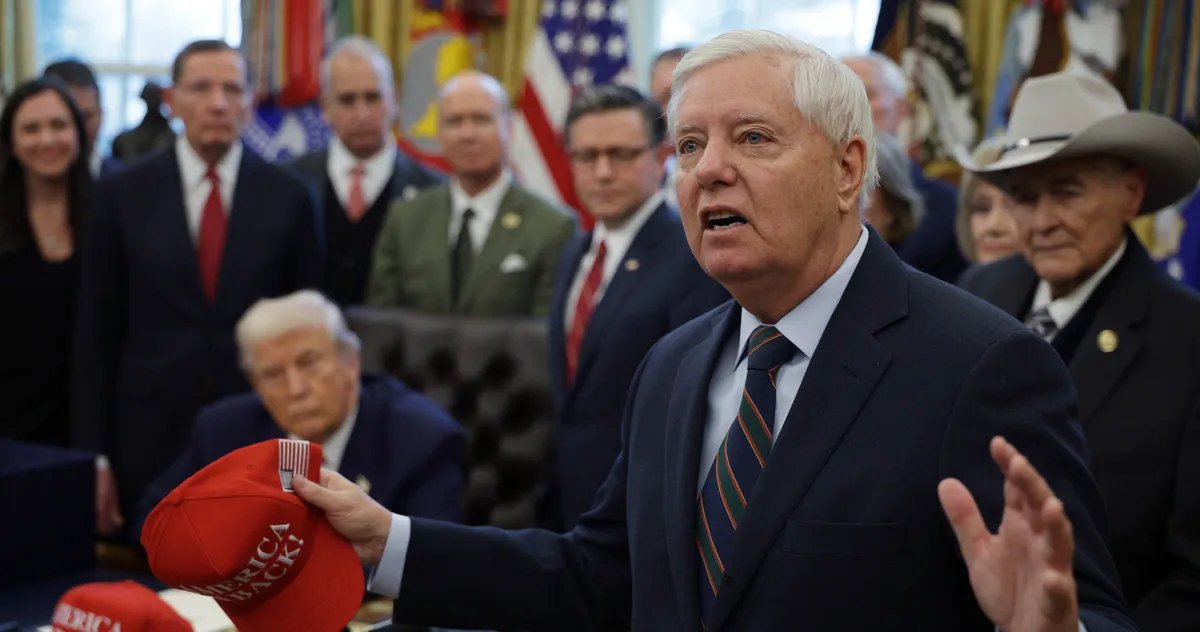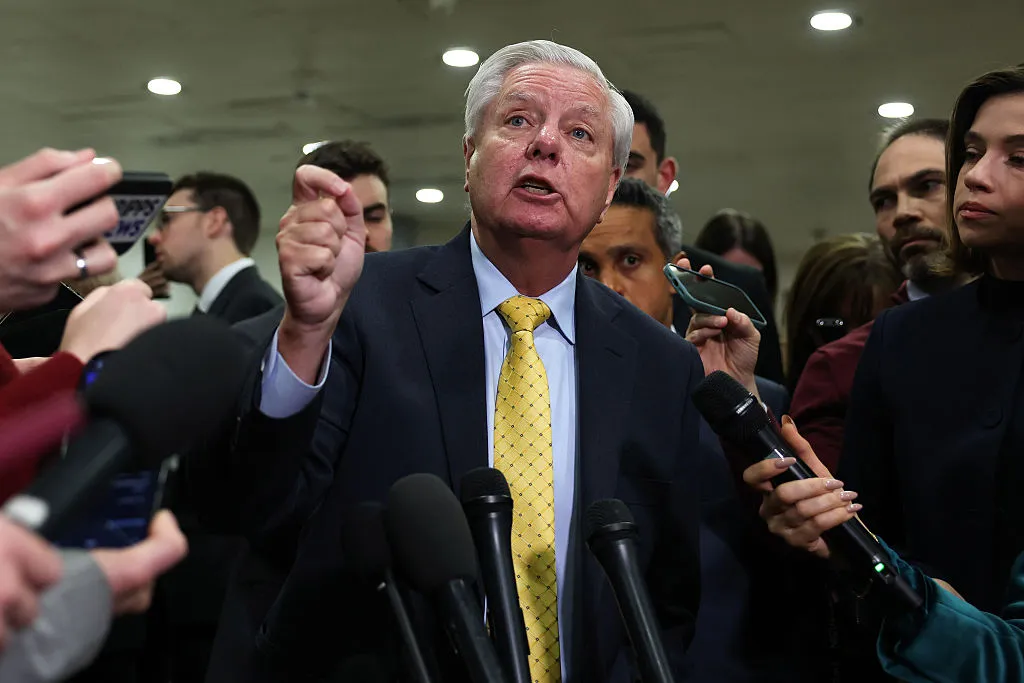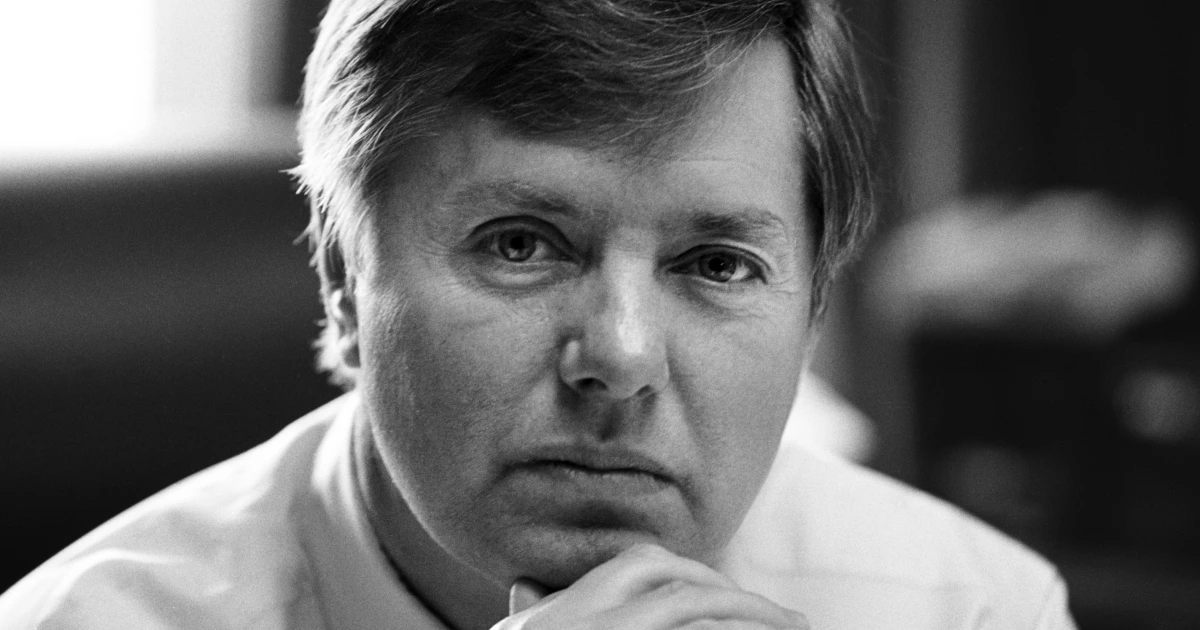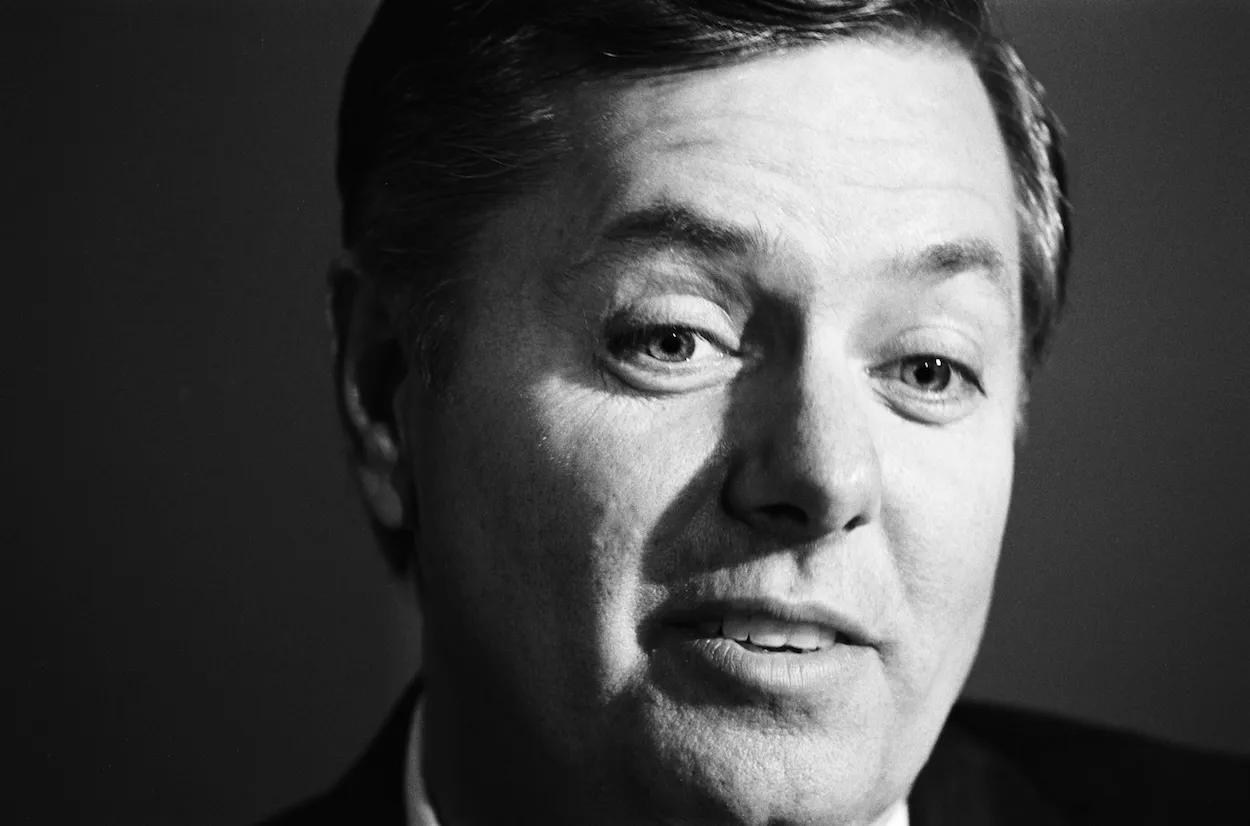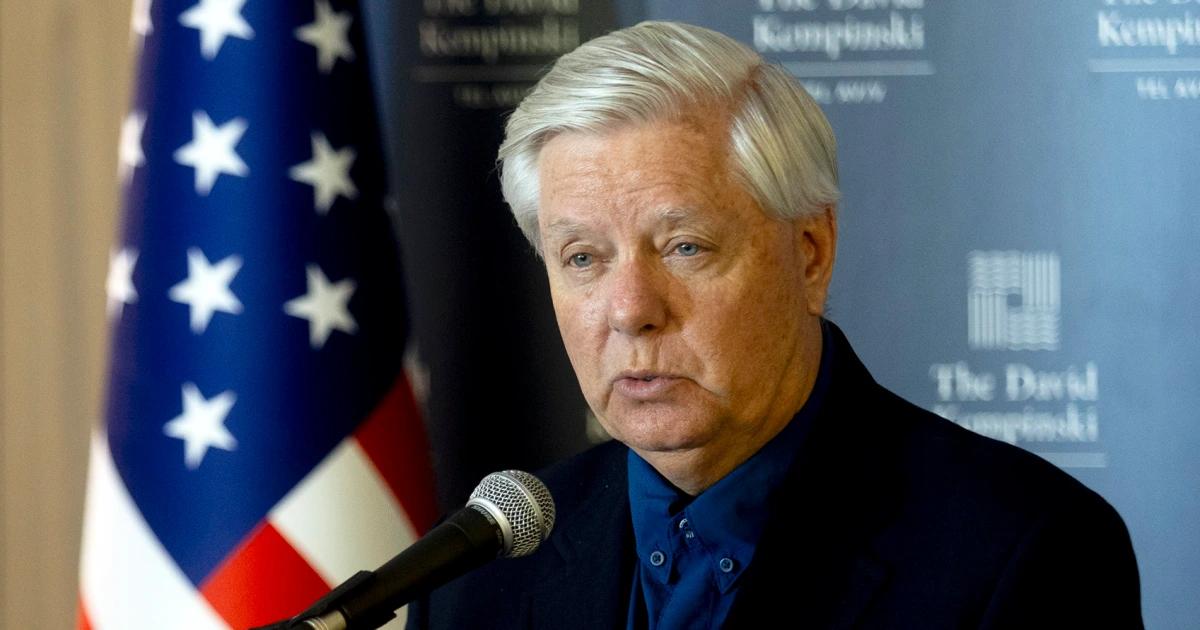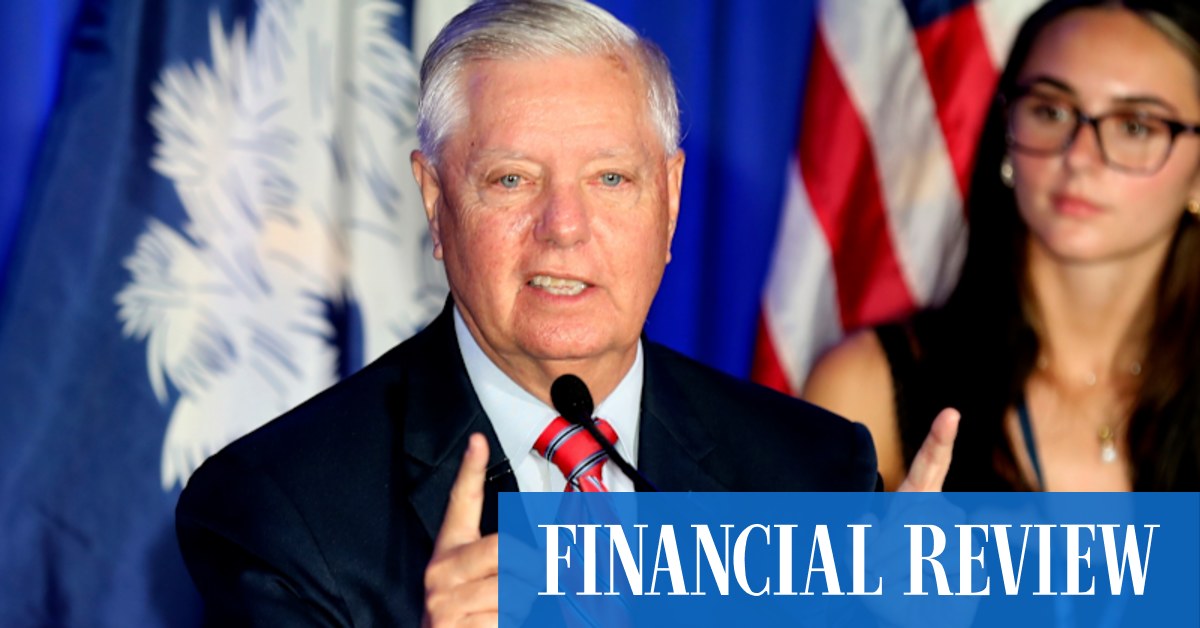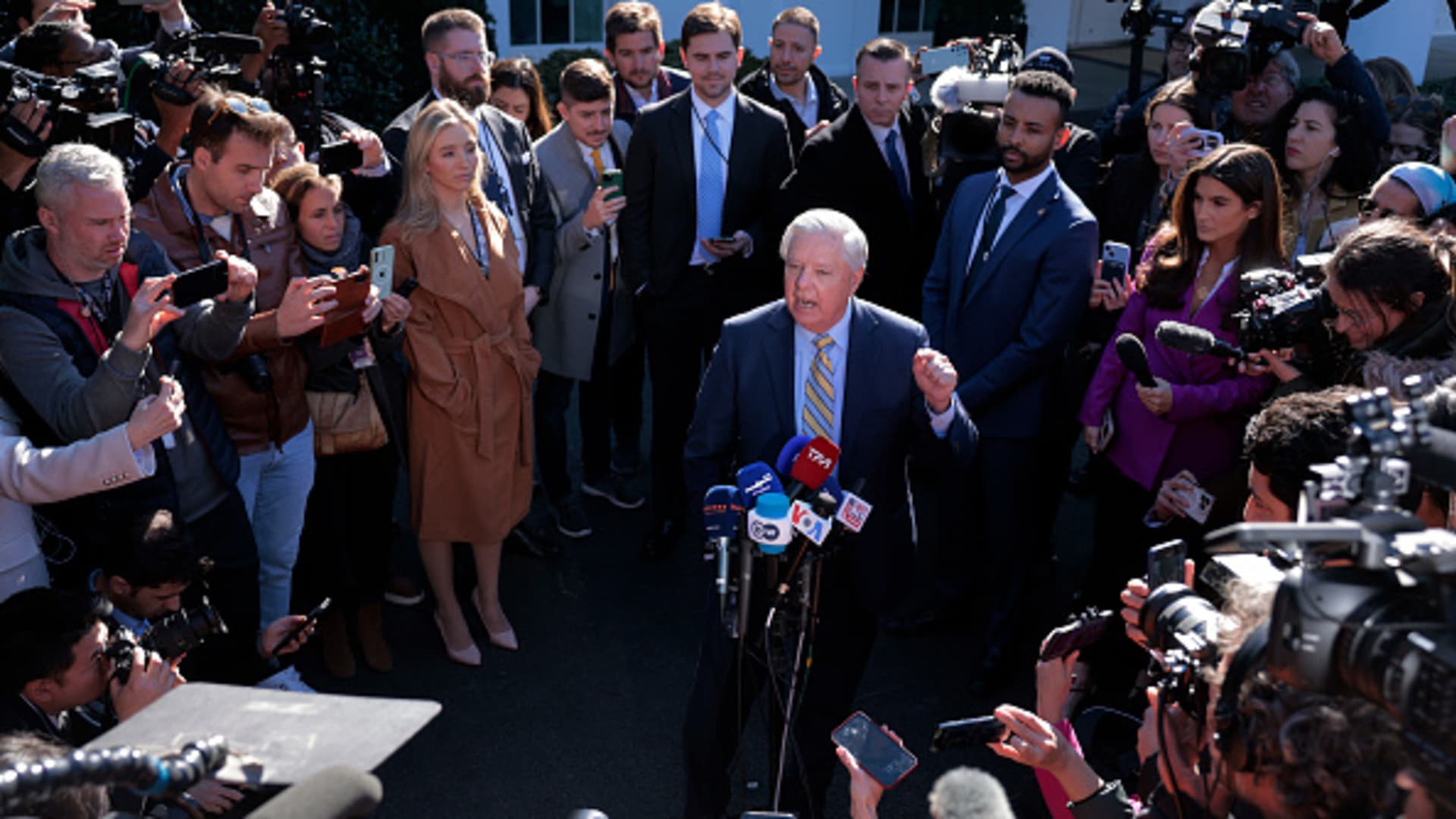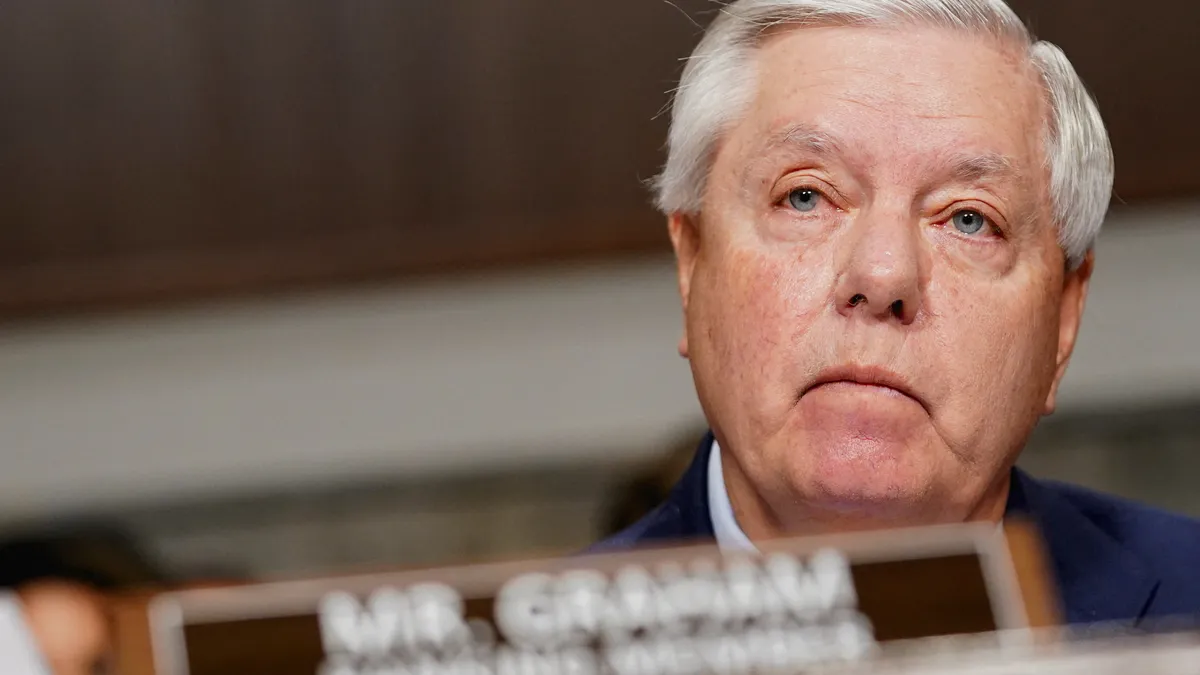
Sen. Lindsey Graham's career in Washington was shaped by his hardline foreign policy beliefs and shifting views of President Donald Trump.Show Caption
WASHINGTON – Sen. Lindsey Graham, who died unexpectedly on July 11, leaves behind a complex legacy that mirrors the political transformations that have reshaped America over the past three decades.The former Air Force lawyer from South Carolina died from an aortic dissection, in which a tear occurs in the main artery that carries blood from the heart, the DC medical examiner preliminarily ruled. He was 71.Over his 30-plus years in Congress, Graham became one of Washington's most influential Republicans – a foreign-policy hawk who championed American military power abroad, a key player in the conservative remaking of the federal judiciary and a loyal supporter of President Donald Trump.He arrived in Washington as part of a generation shaped by the Cold War, bipartisan dealmaking and an interventionist vision of American foreign policy. He ended his career as one of the closest allies of a president whose rise upended many of those traditions.To admirers, he was a pragmatist who recognized the changing political landscape in Washington and rightfully earned a reputation as a problem solver. To critics, he became a symbol of political opportunism, repeatedly abandoning positions that he once held with conviction.No reversal was perhaps more striking than his relationship with Trump, who in a statement called Graham "one of the greatest people and Senators I have ever known.”Lindsey Graham's relationship with Donald TrumpDuring the 2016 Republican presidential primary, Graham was among Trump's fiercest critics, dismissing him as a "race-baiting, xenophobic, religious bigot" and warning that his nomination could damage both the party and the country.But after Trump won the election, Graham steadily moved into the president's orbit. He served as an emissary to skeptical Republicans, an advocate during impeachment battles and a trusted adviser on matters of foreign affairs and national security.At the time, Graham framed the shift as an acceptance of political reality."I want him to win. I want him to be successful," Graham said in a 2018 interview with CNN. "He beat me. The election is over."After the Jan. 6 riot on the U.S. Capitol, Graham grew cold again toward Trump, at least for a little while. Speaking to reporters after attack, Graham declared that he had had "enough.""Trump and I, we've had a hell of a journey. I hate it to end this way," Graham said. "All I can say is count me out. Enough is enough."That, of course, was not the end.As Trump reasserted his dominance over the Republican Party and returned to the White House last year, Graham again became one of the president's most reliable allies, helping Trump execute some of his biggest campaign promises.Graham played a pivotal role in passing Trump’s “One Big Beautiful Bill” that, among other things, increased spending on defense and immigration enforcement. He then became one of Washington’s most outspoken backers of the Iran war, which has become increasingly unpopular among the American public and in the halls of Congress.In an interview with NBC News in February, Graham described himself as Trump’s “north star.”“We disagree, but he knows where I am coming from,” Graham said. “He sees me helping him as much as anybody in the Senate.”On the night of his death, Graham called Trump to talk about the SAVE America Act, the long-stalled legislation Trump has pushed to overhaul federal elections. The president said Graham “sounded great” but told him he was tired after his recent trip to Ukraine. They planned to speak again soon."He’s a tough one to lose," Trump told NBC News' "Meet the Press." "He was great. He was unique in every way, actually."A foreign policy hawkIf Trump defined Graham's political contradictions, foreign policy defined his deepest convictions.Alongside the late Sens. John McCain and Joe Lieberman, Graham became one of the Senate's most outspoken advocates for an aggressive American role on the world stage, especially after the Sept. 11, 2001, attacks.He supported the wars in Iraq and Afghanistan and briefly deployed to both countries as a senator. He later condemned the decision to withdraw American troops from both countries.In recent years, Graham urged the Biden and Trump administrations to aid Ukraine as well as Israel, and he was among the staunchest backers of the Iran war.Ukrainian President Volodymyr Zelenskyy said he was "deeply saddened" by the news of Graham's death, calling the lawmaker "a true defender of freedom and the values that make our world safer." The two men met in Kyiv on July 10.Israeli Prime Minister Benjamin Netanyahu said his country had lost one of its greatest supporters. "I have lost a beloved friend," he said in the statement.Speaking on “Fox News Sunday,” Sen. Tim Scott, R-South Carolina, described his colleague's relentless focus on foreign affairs and recalled a recent conversation with him.“Lindsey, just being who he was, spent about 10 seconds on affordability and 90 minutes on foreign policy because you can’t change the guy,” Scott said. “And because of that, because people in South Carolina understood who he was, they kept reelecting him, because they knew that he was a statesman, not a politician.”How Lindsey Graham helped reshape federal courtsGraham’s political influence was perhaps nowhere more enduring than on the federal judiciary.As chairman of the Senate Judiciary Committee, Graham helped oversee the confirmation of hundreds of federal judges and played a central role in cementing the conservative majority on the Supreme Court.His stewardship of the confirmations of Justices Brett Kavanaugh and Amy Coney Barrett helped secure a court that is likely to shape American law for generations.In 2018, Graham passionately defended Kavanaugh, who was nominated by Trump, amid sexual assault allegations against the nominee. Kavanaugh was narrowly confirmed to the high court. Trump, in his CNN interview on July 12, called it the "finest moment" of Graham's Senate career.But even those achievements reflected the tensions that defined Graham’s decades-spanning political career.Graham supported Barrett’s confirmation weeks before the 2020 election. But four years earlier, Graham was among a group of lawmakers who blocked Merrick Garland's nomination to the Supreme Court in the waning days of Democratic President Barack Obama's second term.Graham praised Garland's credentials, but he ultimately stuck with the Republican line that no one should be confirmed in an election year.Rise as a conservative firebrand, bipartisan dealmakerA native of Pickens County, Graham attended the University of South Carolina and later became an attorney in the U.S. Air Force. His parents died when he was in his early 20s, and he took responsibility for his younger sister.In 1994, Graham was elected to the U.S. House of Representatives, becoming the first Republican to represent South Carolina's 3rd Congressional District in more than 100 years. Graham was elected to the Senate in 2002.In Congress, he was an impeachment manager in the Senate trial to convict former President Bill Clinton in 1999, a role that put him in the national spotlight.While he made a name for himself as a conservative firebrand, Graham also became known for his ability to work with lawmakers across the aisle and on occasion break with his party.In 2013, for example, Graham was among a group of bipartisan lawmakers who co-wrote the “Gang of Eight” bill, which sought to boost border security while offering a pathway for undocumented immigrants to obtain legal status. Graham was also among the few GOP supporters of the DREAM Act, which would help undocumented immigrants who arrived in the country as minors become citizens.However, just as Trump and the wider Republican Party have taken a more hardline stance on immigration, so has Graham.Last year, he dropped his nearly decade-long support for the bill, saying “There will be no DREAM Act. Not until you deal with the millions of people here illegally.”After Graham’s death, Sen. Dick Durbin, D-Illinois, praised Graham’s willingness to sponsor it in the first place, despite his later decision to withdraw support.“He knew the Dream Act was my most important bill. He was the only Republican who would cosponsor it for years,” Durbin said in a statement. “I will never forget it.”Contributing: Joey Garrison, USA TODAY; Baker Maultsby, Greenville News, part of the USA TODAY Network; Reuters