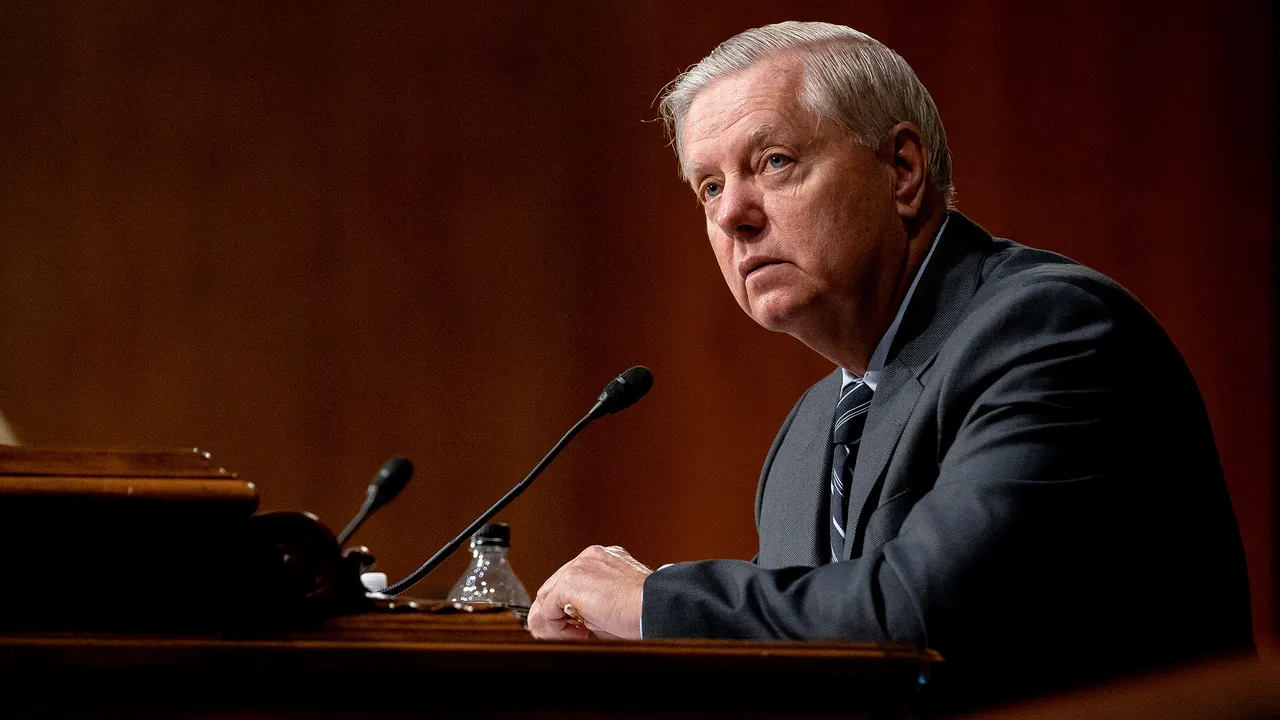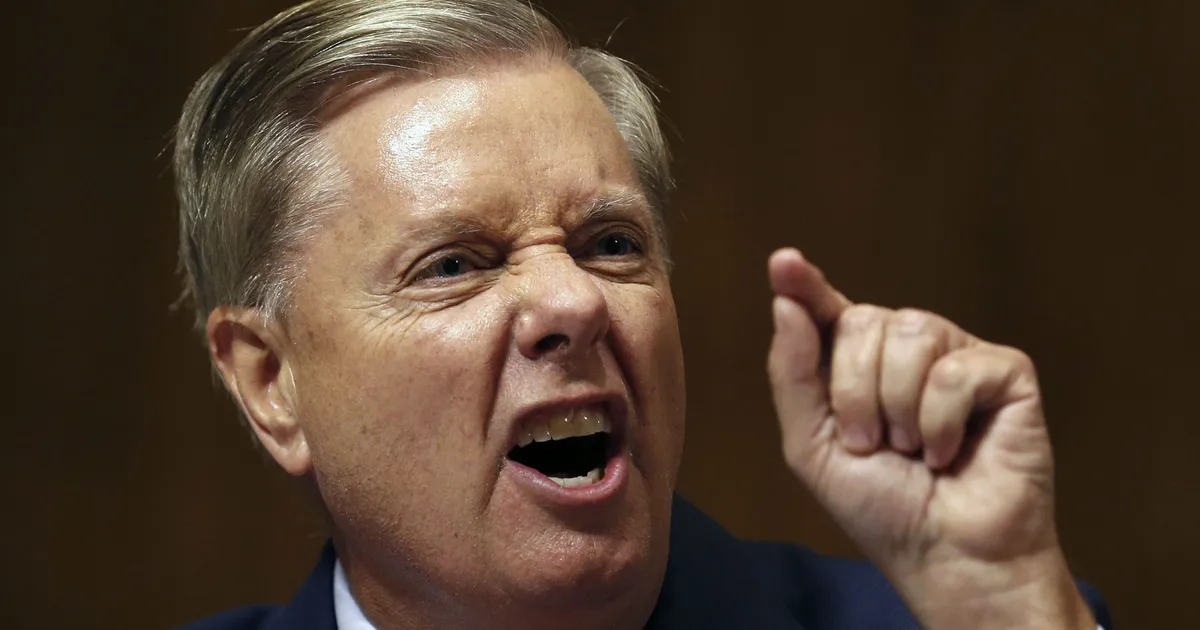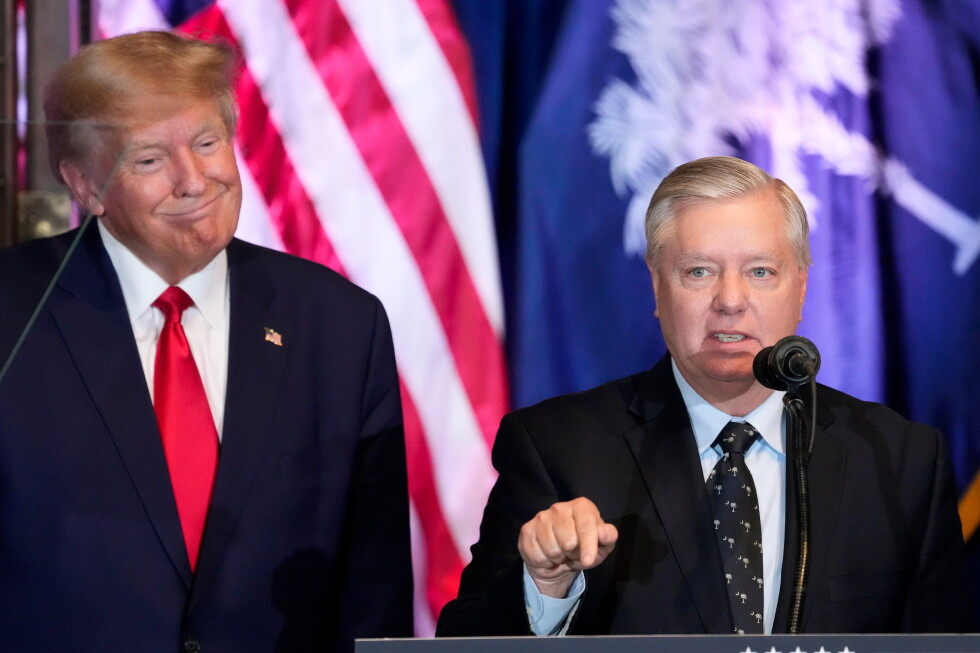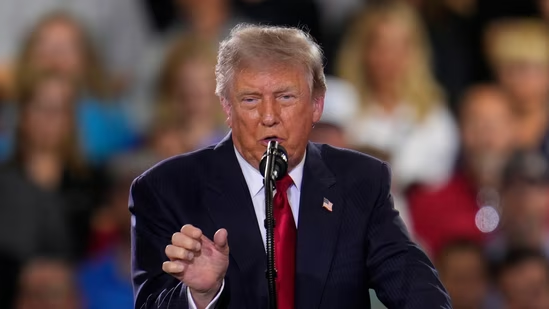
In December 2015, when Donald Trump was still a long-shot candidate in the GOP’s sprawling primary field, Republican Sen. Lindsey Graham offered a brazen assessment of the political outsider.
“You know how you make America great again? Tell Donald Trump to go to hell,” Graham, who was also among the dozen Republicans running for the 2016 presidential nomination, declared on CNN. Then, he pilloried Trump’s proposed ban on all Muslims from entering the country: “He’s a race-baiting, xenophobic, religious bigot.”
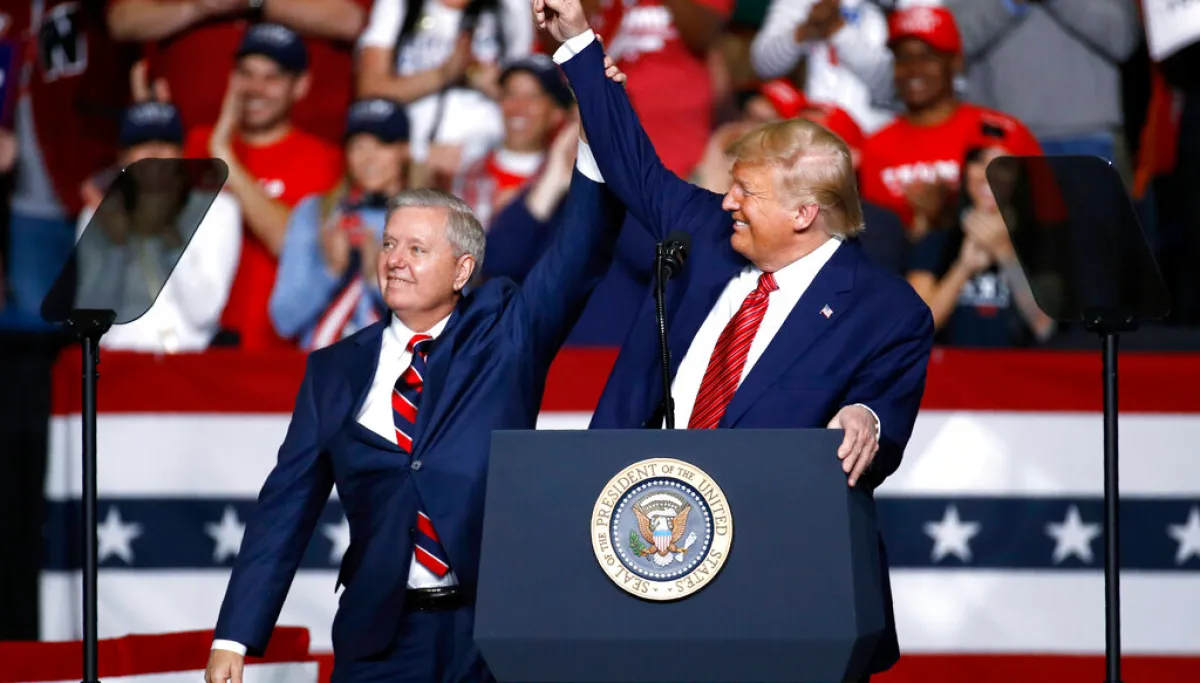
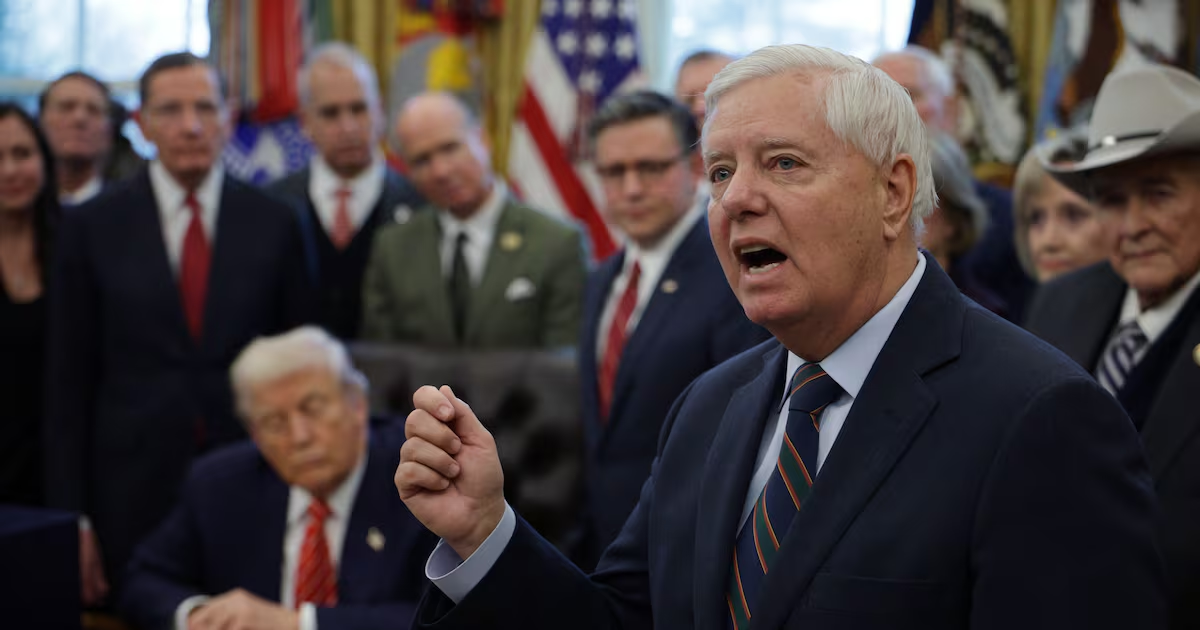
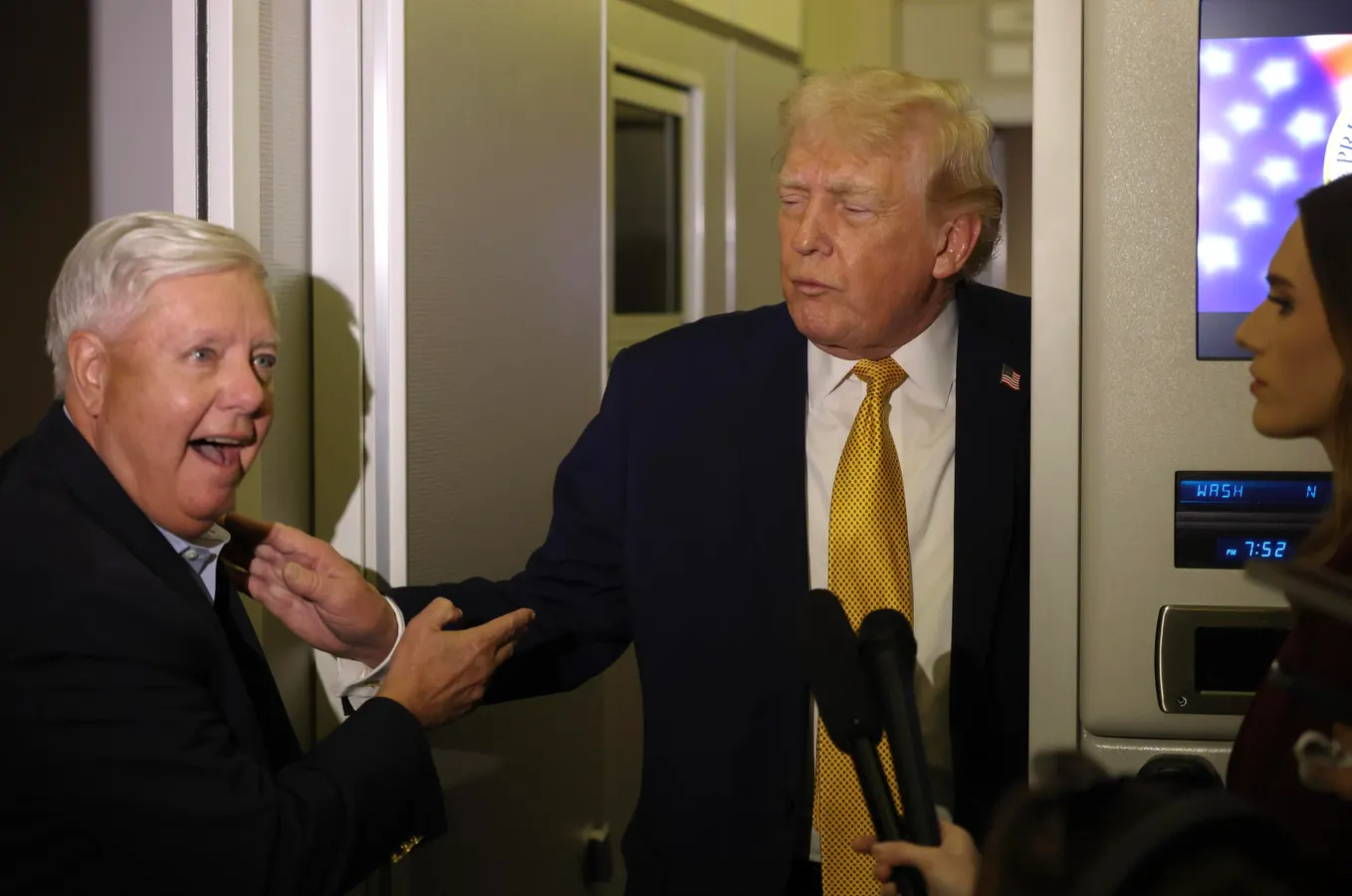
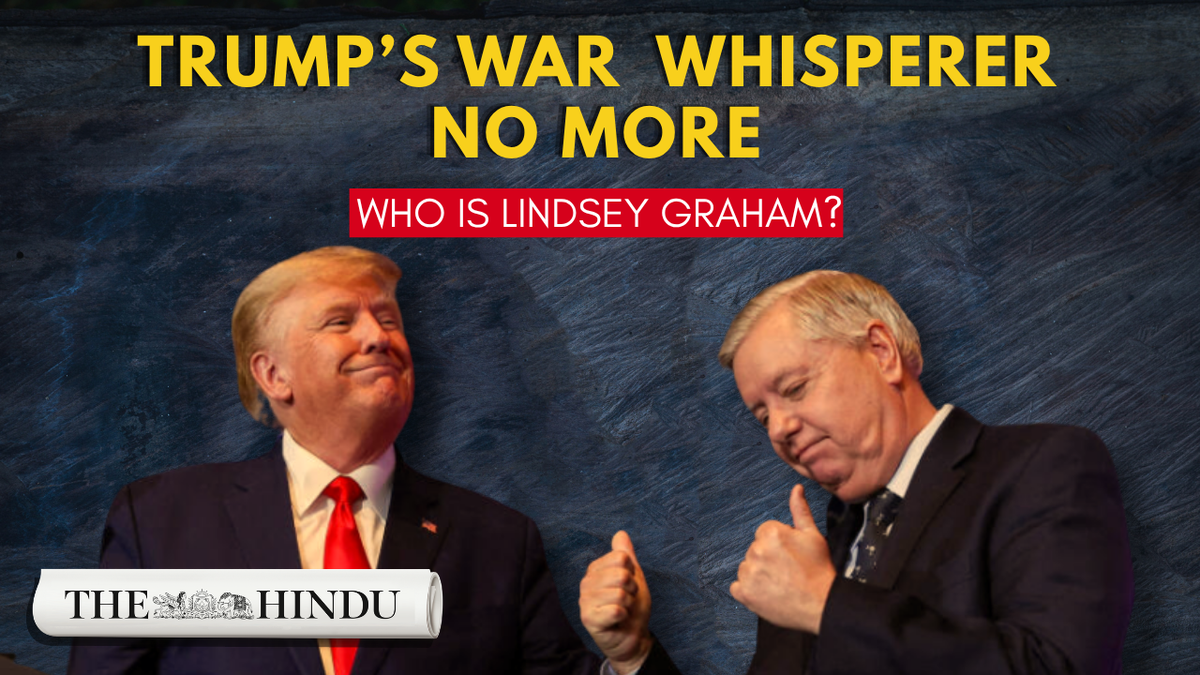
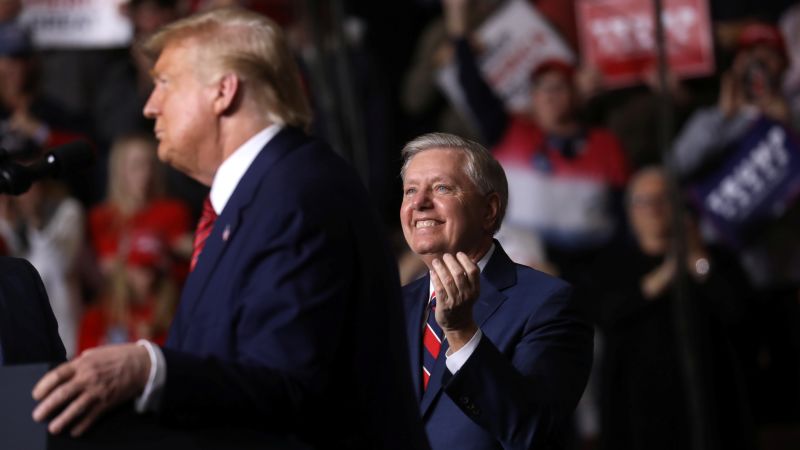
It was the unlikely beginning of what would become one of Washington’s key political relationships. The Graham-Trump alliance — which at first flummoxed many in both men’s inner circles — steered two terms of presidential foreign policy across multiple continents, and the GOP’s agenda on Capitol Hill.
Graham, the ultimate Washington power player, had spent years dealmaking with Democrats, including President Barack Obama. In his 30-plus years in politics, he refused to ascribe to party-line ideology, which he made clear with his frequent attempts to fix the US immigration system, or his disgust of the tea party movement.
Then came Trump — and his stunning 2016 win. Within months, Graham had transfigured himself from Trump’s most prominent primary foe into one of his most critical partners — his closest ally in Congress, a fierce TV surrogate and frequent golf partner.