Jung Min-kyung
Since 2017, I have covered South Korea’s political and economic landscape as a reporter, with a focus on foreign affairs, inter-Korean relations and security.As a foreign affairs reporter, I closely follow developments from the Ministry of Unification, the Foreign Ministry and the Defense Ministry, tracking shifts in diplomacy, military policy and North Korea’s evolving posture. My work focuses on the intersection of geopolitics, security and policy decisions shaping the Korean Peninsula.Earlier in my career, I also reported on South Korea’s financial sector, covering banking, markets and regulatory developments—experience that continues to inform my understanding of how economic policy intersects with national strategy.
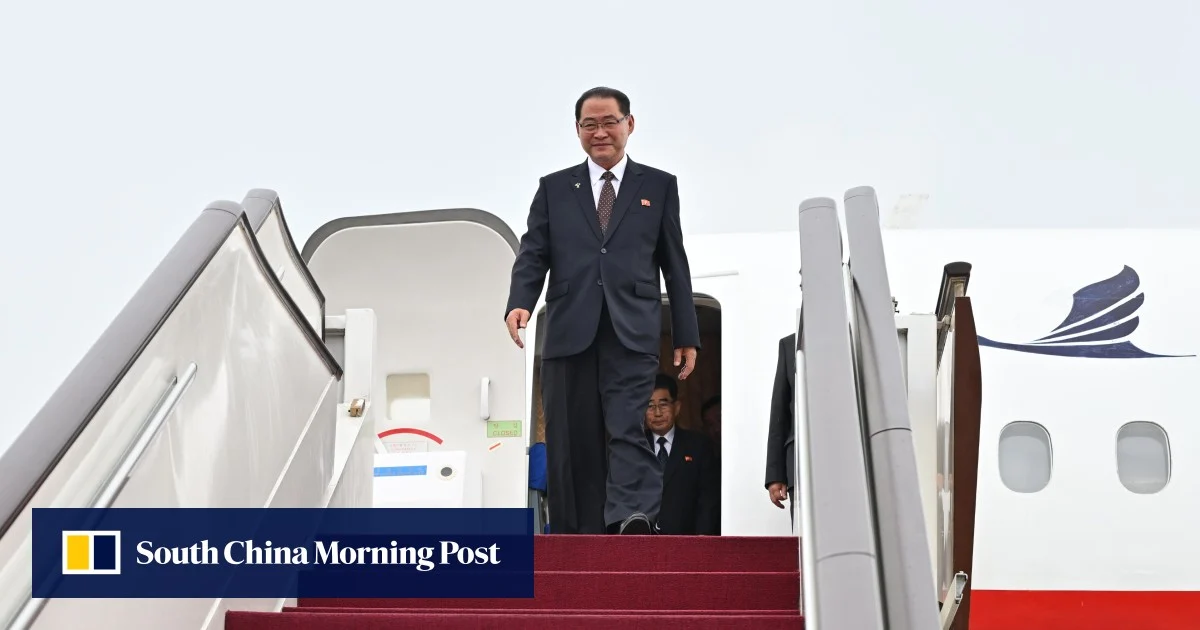
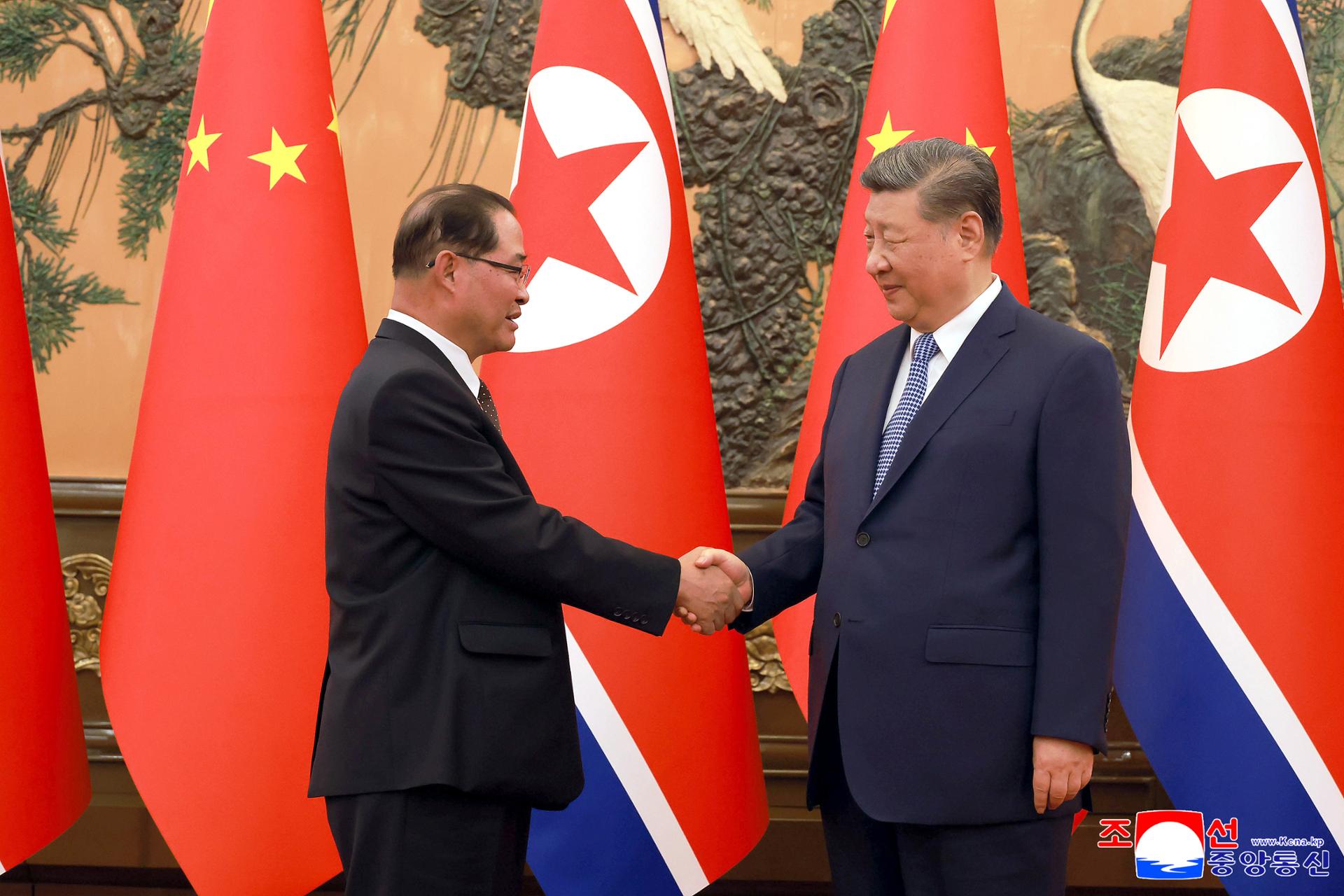
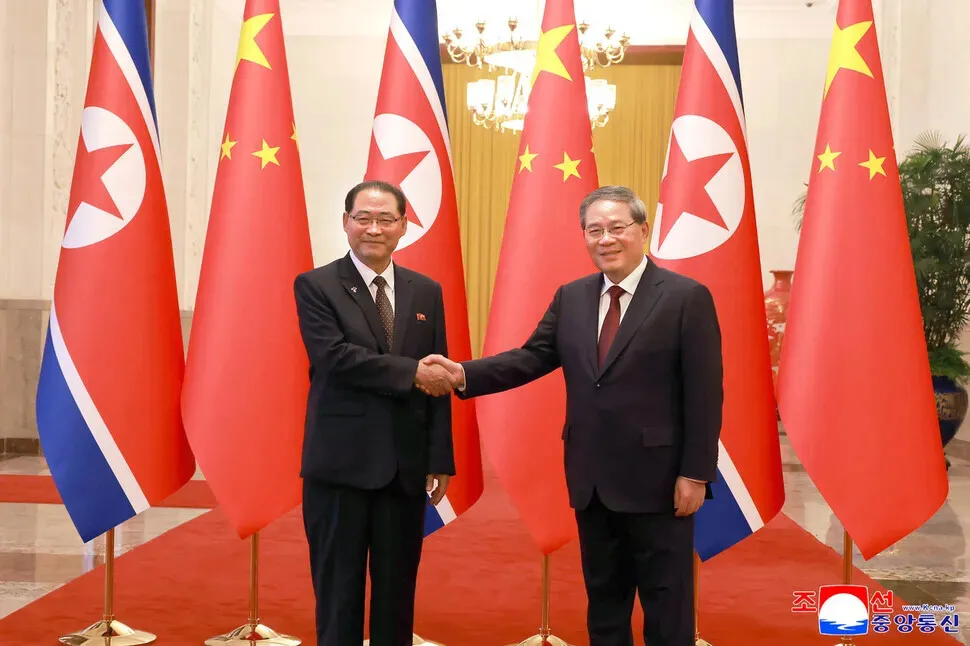
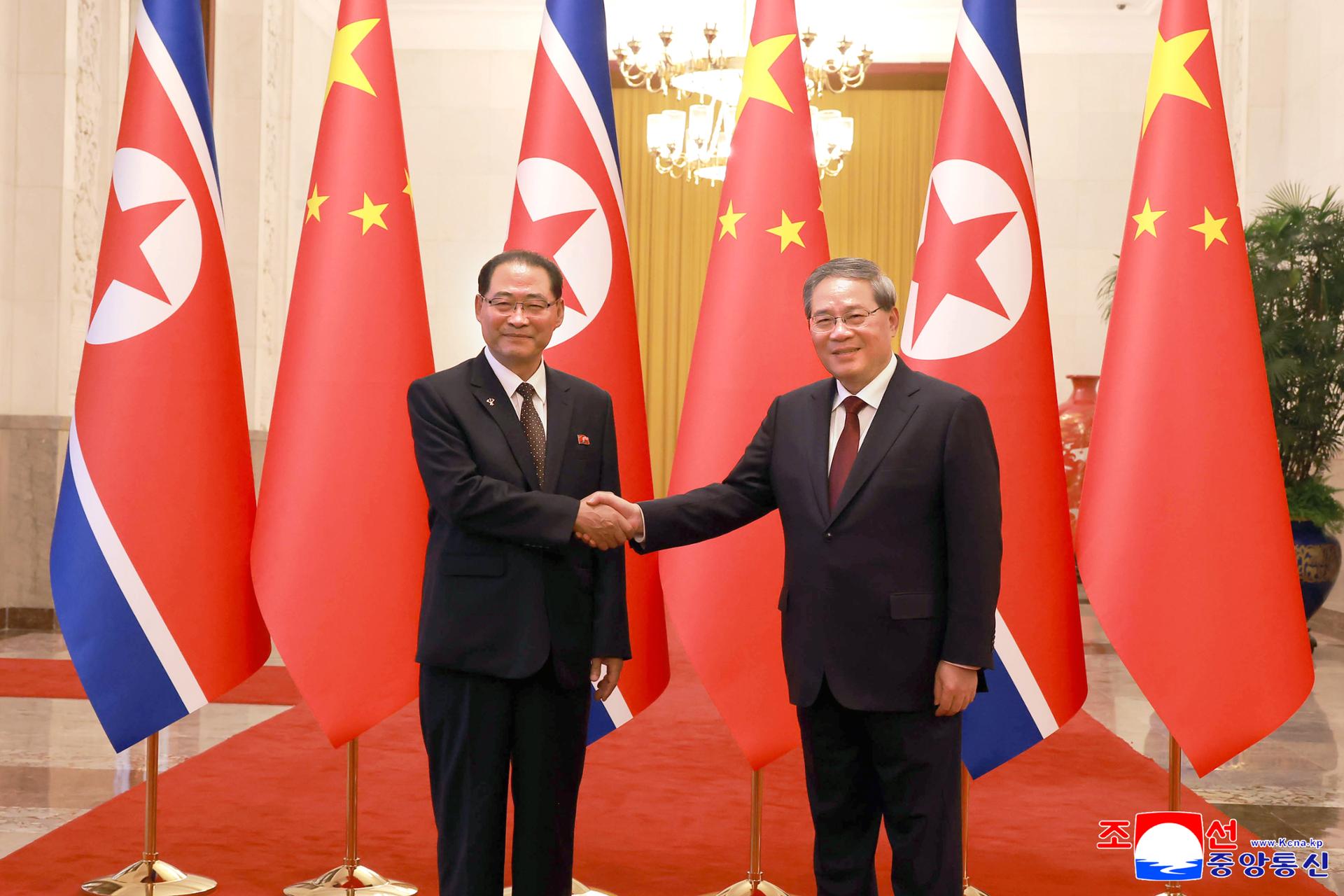
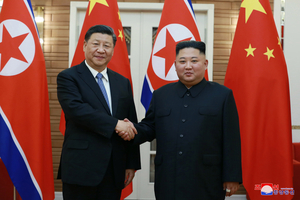
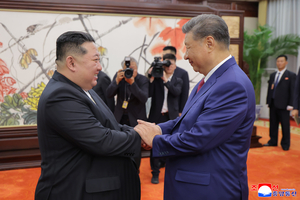
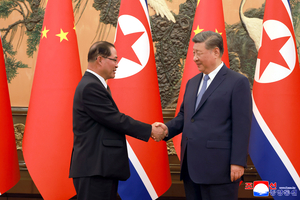
North Korean Premier Pak Thae-song (left) shakes hands with Chinese President Xi Jinping during his visit to Pyongyang to mark the 65th anniversary of the signing of a friendship treaty between the two nations, in this photo released by the Korean Central News Agency on Saturday. (KCNA-Yonhap) North Korean Premier Pak Thae-song’s visit to China appears to have laid the groundwork for a broader revival of bilateral economic and infrastructure cooperation, as Beijing extended unusually high-level diplomatic treatment to the North Korean delegation following Chinese President Xi Jinping’s visit to Pyongyang in June, observers said Monday.Pak returned to Pyongyang on Sunday after a three-day visit marking the 65th anniversary of the Treaty of Friendship, Cooperation and Mutual Assistance between North Korea and China, according to the Korean Central News Agency on Monday.During the trip, Pak met Xi, Chinese Premier Li Qiang and other senior officials. He also toured Beijing’s urban rail control center and a green, low-carbon circular economy facility in Tianjin.The itinerary, coupled with discussions on transportation connectivity, trade and public welfare, suggested that the two countries were seeking to move beyond emphasizing their traditional political and security ties toward restoring practical economic cooperation.In a message sent to Li on his way home, Pak expressed satisfaction with the outcome of the visit and thanked Xi, Li, Zhao Leji, chairman of the Standing Committee of the National People’s Congress, and the Chinese government and people for their “sincere hospitality.”Pak said North Korea was willing to work with “the Chinese comrades to comprehensively expand and develop the traditional DPRK-China friendly and cooperative relations as required by the new era true to the noble intention of the top leaders of the DPRK and China,” according to the KCNA.DPRK stands for North Korea’s official name, the Democratic People’s Republic of Korea.During his stay, Pak met Xi on Friday and held talks with Li the following day. He also met Zhao, China’s third-ranking official, and attended a treaty anniversary reception alongside Cai Qi, a member of the Communist Party of China’s Politburo Standing Committee and director of its General Office.The meetings and protocol extended to Pak were seen as notably high-level for a North Korean premier.Lim Eul-chul, a professor at Kyungnam University’s Institute for Far Eastern Studies, said Pak’s one-on-one meeting with Xi and the “state-level protocol,” including a motorcycle escort, symbolized the rapid normalization and deepening of bilateral ties.“From China’s perspective, amid North Korea’s rapidly deepening military alliance with Russia, Beijing likely sought to use Xi’s June visit and the 65th anniversary events in July to firmly reestablish the message that China-North Korea relations remain its foremost strategic relationship,” Lim said.Yoon Min-ho, spokesperson for South Korea’s Unification Ministry, said the latest exchanges demonstrated the two sides’ willingness to develop their ties into a more strategic relationship and expand cooperation across a range of sectors.“The government will continue to closely monitor developments in exchanges and cooperation between North Korea and China and respond accordingly,” Yoon said during a regular briefing on Monday.Xi, during his meeting with Pak, called on the two sides to remain true to the original aspirations of their past leaders and guide their peoples to preserve and develop their traditional friendship, according to Chinese state media.He also stressed the need to steadily advance practical cooperation and strengthen public support for bilateral relations.During talks with Pak, Li called for closer coordination between the two countries’ development strategies, expanded economic and trade exchanges and improved transportation connectivity.He also proposed deepening cooperation in public welfare areas, including health care and education, according to Chinese media reports.The KCNA said Li expressed China’s willingness to uphold the spirit of the friendship treaty, maintain close high-level exchanges, deepen political trust and practical cooperation and improve the well-being of the two countries’ people.Pak’s final stops in China offered further indications of where cooperation could expand.In Beijing, the delegation visited the Exhibition Hall of the History of the Communist Party of China before touring the Beijing Rail Transit Command Center.According to China Central Television, Pak asked detailed questions about transfer systems and railway network operations while examining China’s urban rail construction and modern transport management systems.In Tianjin, the delegation visited the Green Low-Carbon Circular Economy Demonstration Base operated by China Resources Recycling Group.The visit drew attention as North Korean leader Kim Jong-un has recently stressed the domestic production of raw materials and greater use of recycled resources during inspections of economic sites.The delegation’s tour may therefore have been intended to explore how China’s recycling practices and transportation technologies could be adapted for use in North Korea.Pyongyang is seeking to restore trade and logistics networks weakened by international sanctions and years of strict border controls imposed during the COVID-19 pandemic. Beijing, meanwhile, may view economic cooperation as a way to reinforce its influence over North Korea as Pyongyang deepens its military ties with Moscow.Recent signs of railway, customs and logistics infrastructure upgrades along the China-North Korea border have also fueled expectations of an expansion in cross-border trade.Still, observers say bilateral cooperation is unlikely to immediately develop into large-scale investment or projects that could violate international sanctions.United Nations Security Council sanctions continue to restrict North Korean mineral exports, the deployment of overseas laborers and major joint ventures.The two countries are therefore expected to initially focus on areas with a lower risk of sanctions violations, including transportation links, public welfare exchanges and border trade.