Will Philippine institutions remain focused on preserving today’s arrangements, or will they create space for new entrants, industries, technologies, and ideas?
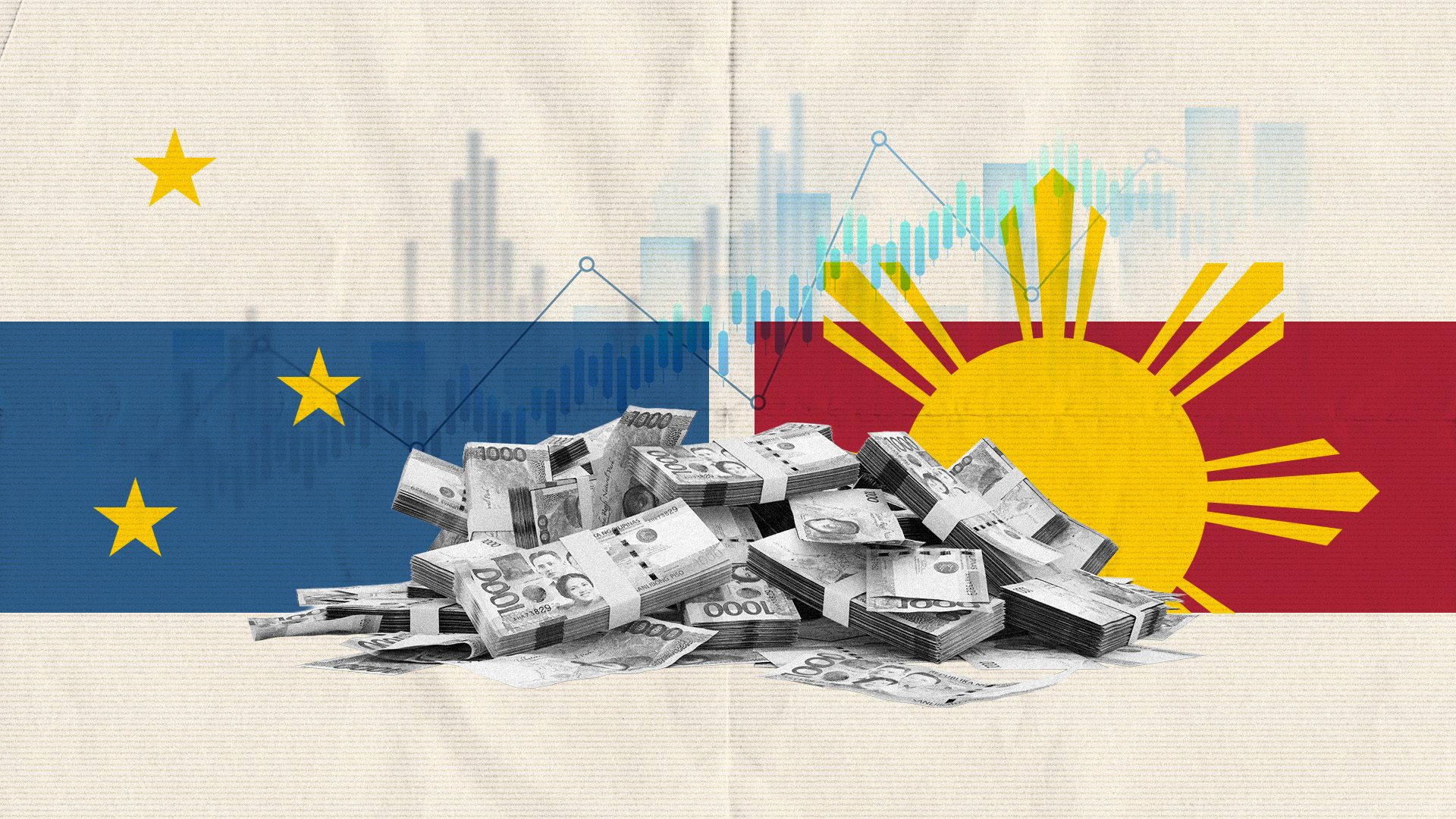
The Philippines has finally crossed into the World Bank’s upper-middle-income category. It is an important milestone and a reflection of decades of economic progress. Yet history suggests that this is precisely the point at which countries face their greatest test. Many nations reach middle-income status; far fewer become truly high-income economies.
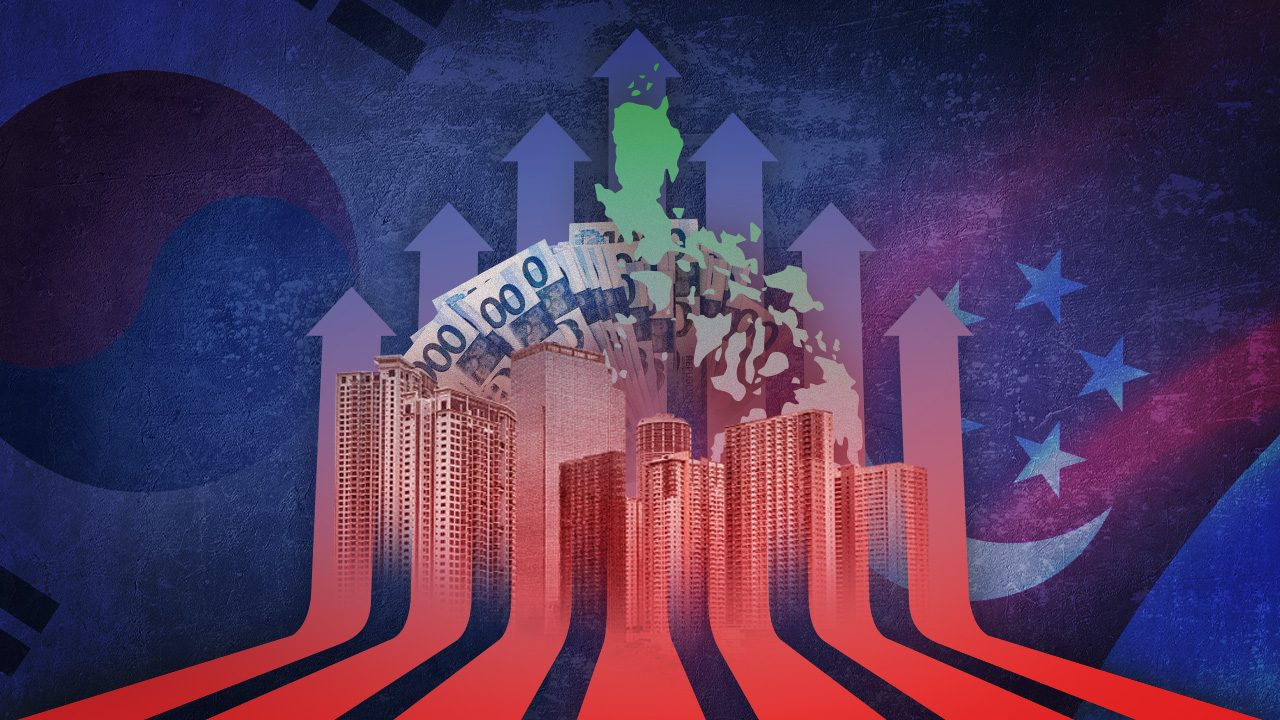
One comparison illustrates the scale of the challenge. Gyeonggi province in South Korea has roughly 14 million people — barely one-eighth of the Philippines’ population of more than 115 million. Yet in 2024, Gyeonggi generated roughly US$450 billion in economic output, broadly comparable to the Philippine economy of around US$460 billion.
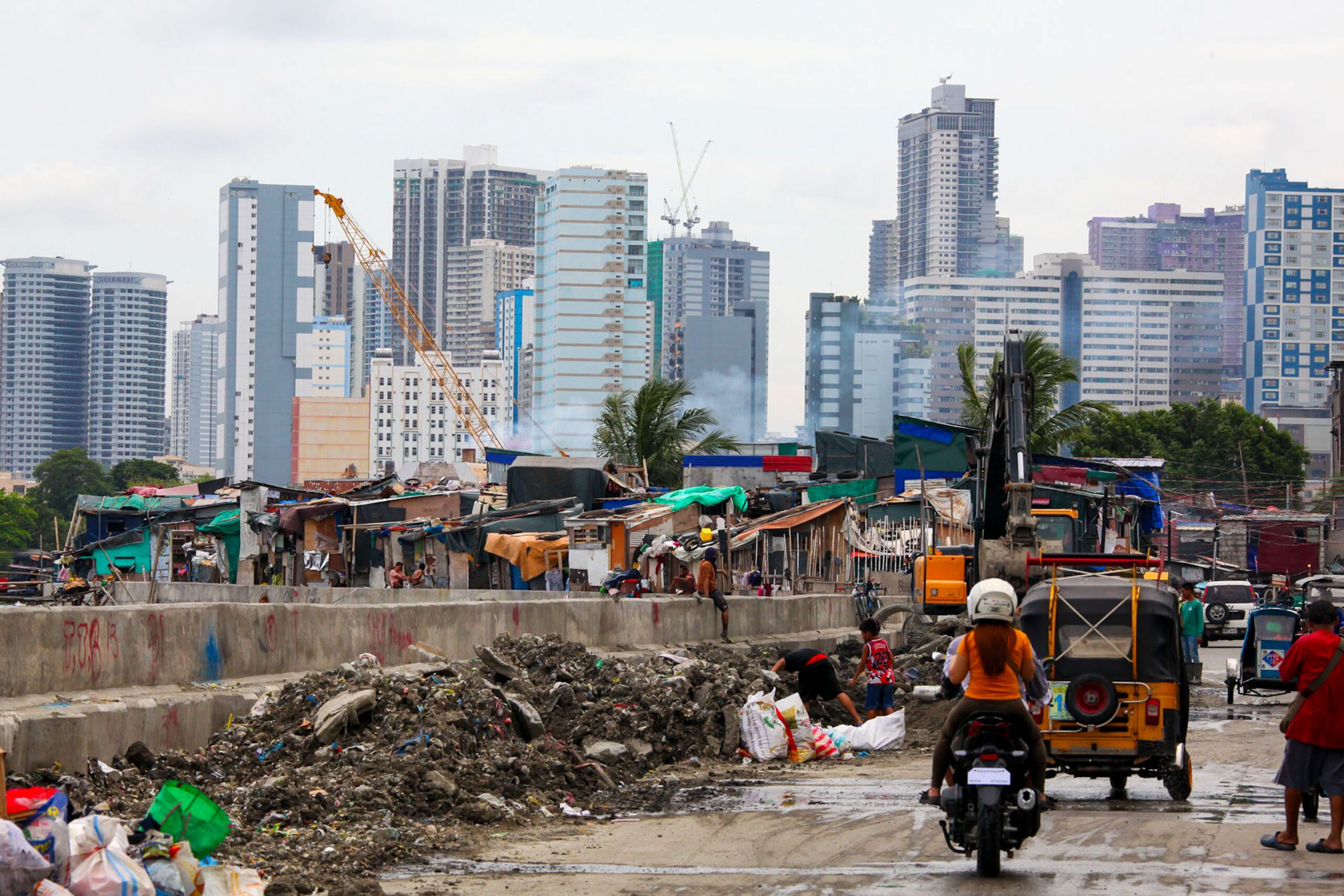
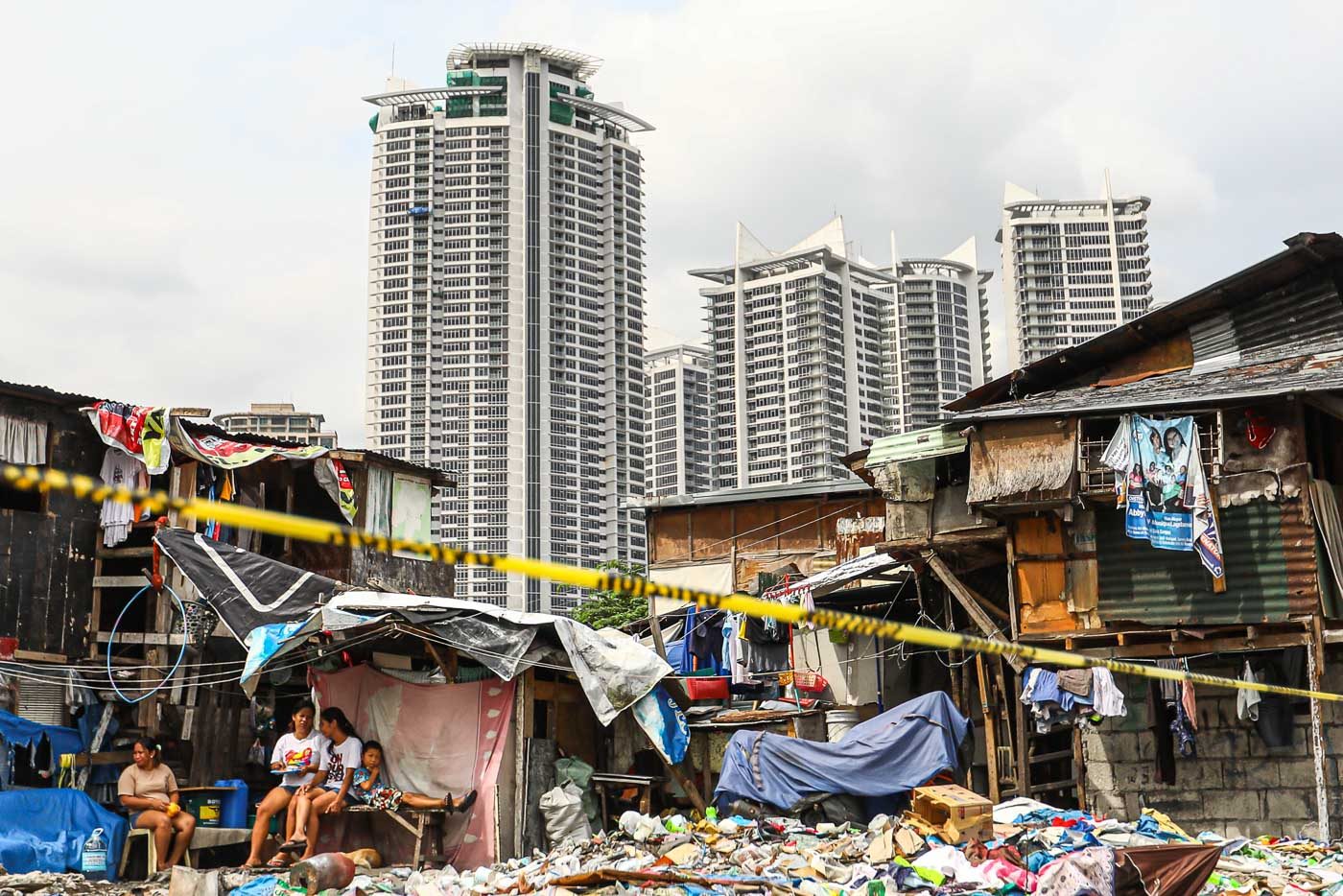
A nation of more than 115 million people today produces roughly the same economic output as one Korean province roughly the size of Mindoro. The difference is not explained by geography or natural resources. It is explained by productivity. And productivity, over the long run, is determined less by talent than by institutions.
Every institution has two jobs: to preserve what works and to replace what no longer does. Nations stagnate when they become exceptionally good at the first and forget the second.