By providing an email address. I agree to the Terms of Use and acknowledge that I have read the Privacy Policy.
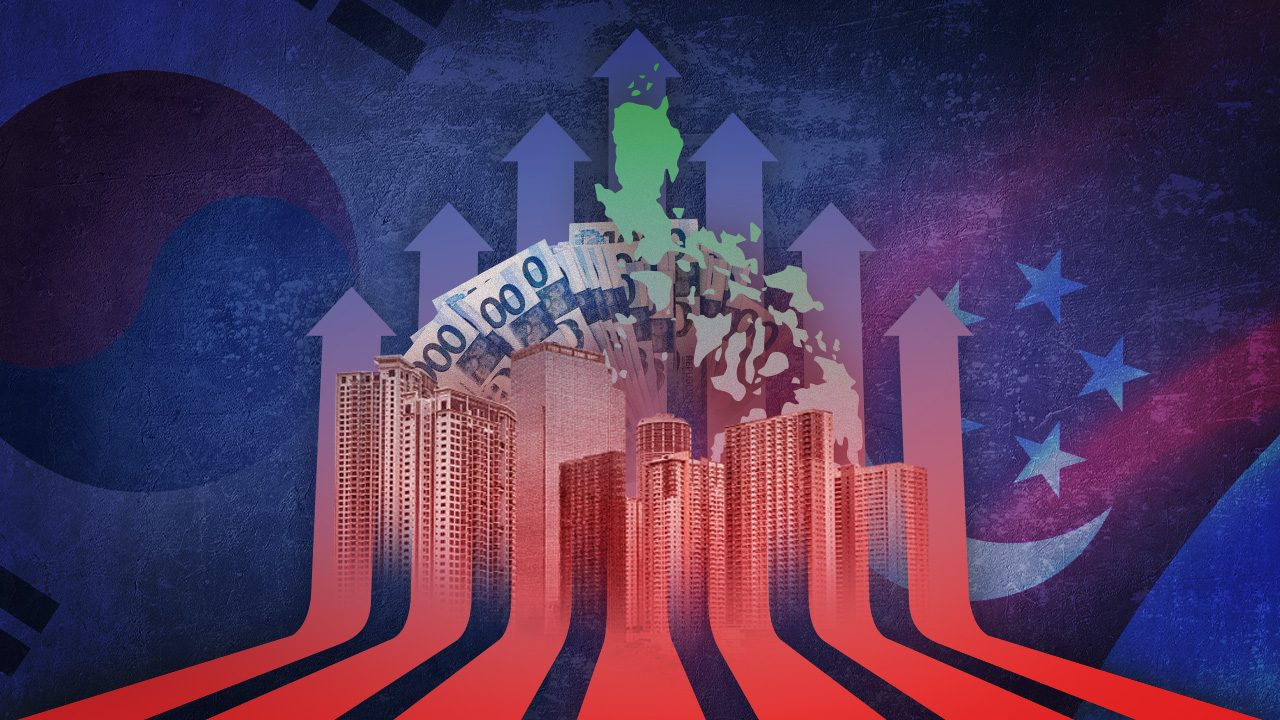
The Philippines’ recent reclassification as an upper-middle-income economy has been hailed as a milestone of progress. After reading my article, Uriel Galace makes the case convincingly: Household access to electricity has surged from 23% in the 1970s to 95% today, clean water availability has risen from 51% to 98%, and access to sanitation facilities has increased from 23% to 95%.
Ownership of refrigerators and televisions, once considered luxuries, has become commonplace. Education has expanded, with the average number of years of schooling rising from 5.6 to 9.4, while mortality among children younger than 5 has fallen from 82 deaths per 1,000 live births to 26.5.
These are not abstract numbers. They represent real improvements in the daily lives of millions of Filipinos.
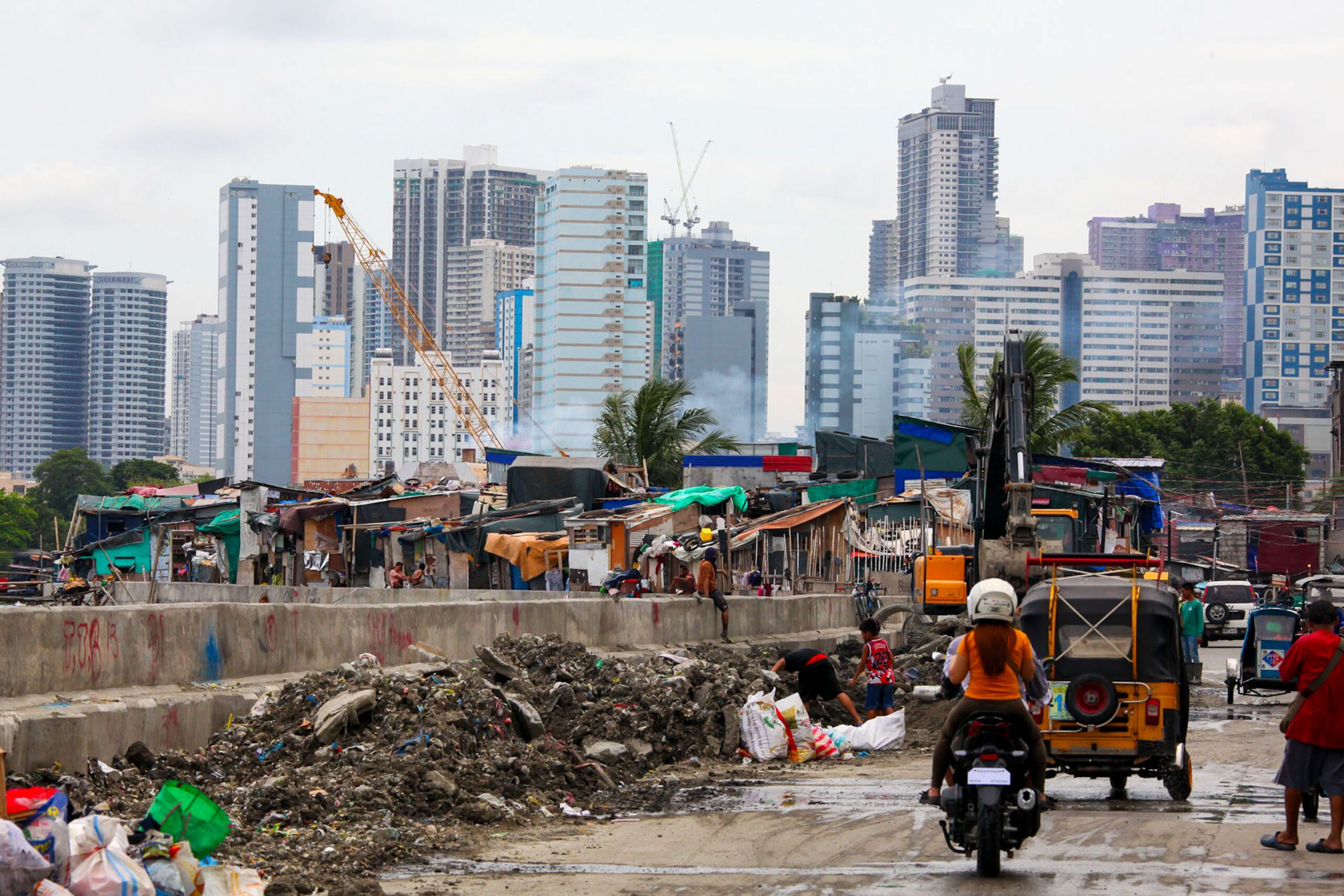
Yet optimism collides with lived reality. According to a Social Weather Stations survey in March 2026, 52% of Filipino families, or about 14.5 million households, still considered themselves poor, while 42% rated themselves as food-poor.