By providing an email address. I agree to the Terms of Use and acknowledge that I have read the Privacy Policy.
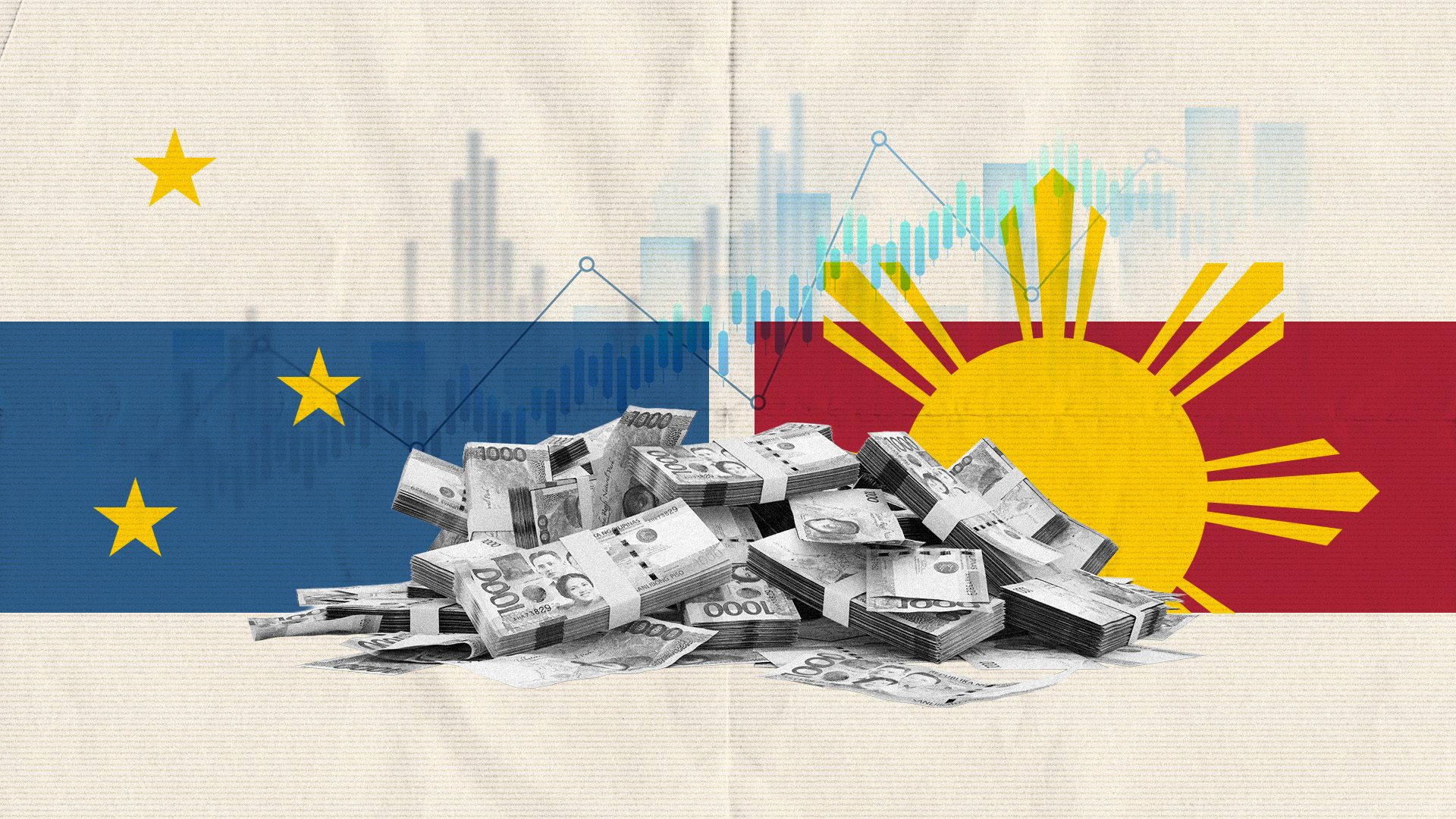
The Philippines has officially entered the World Bank’s upper-middle-income category, with its gross national income per capita reaching $4,850, exceeding the $4,636 threshold in the World Bank’s latest income classification.
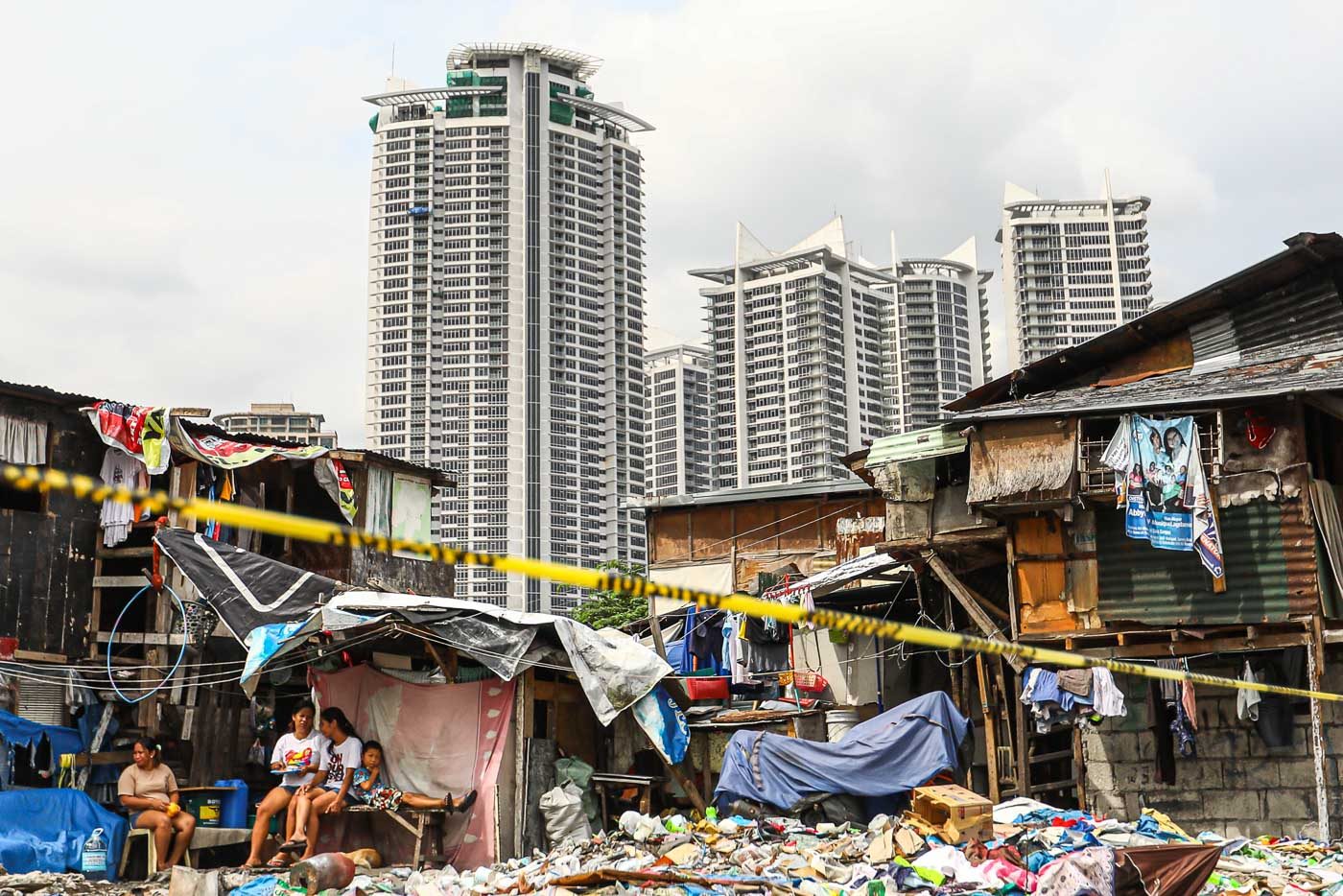
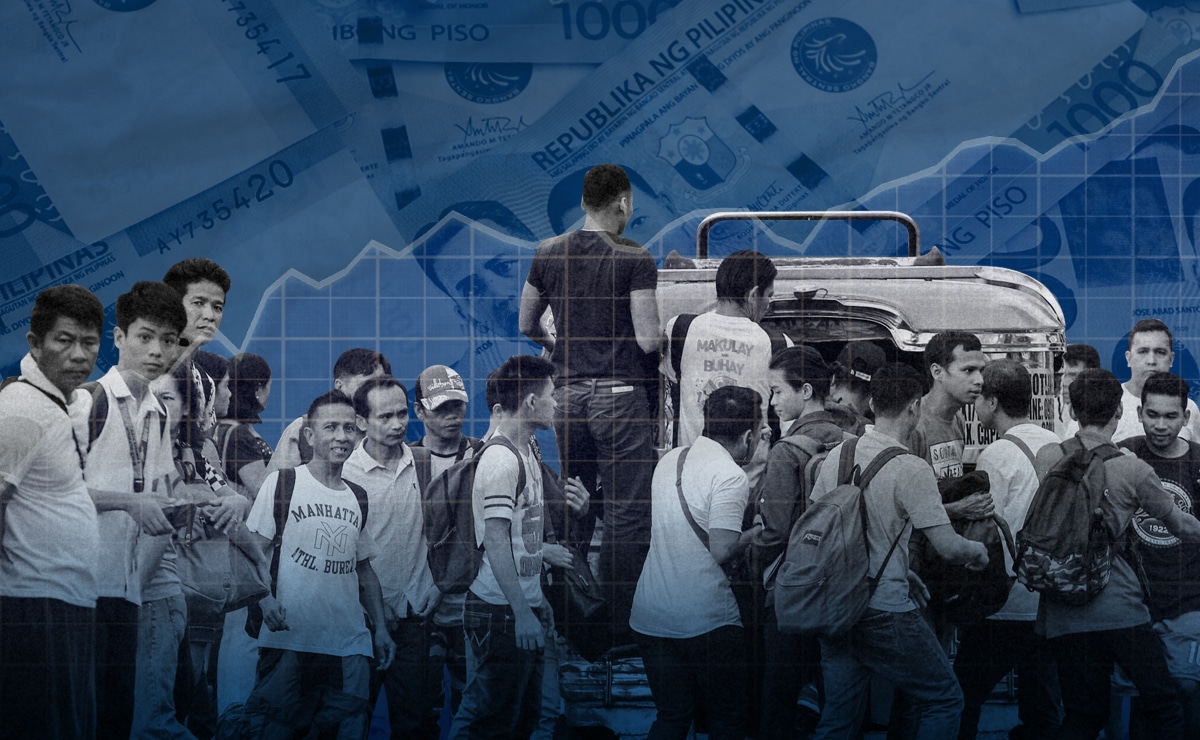
The reclassification is a statistical achievement. Upper-middle-income country, or UMIC, status can enhance investor confidence and global prestige. But the Philippines’ classification as an upper-middle-income country is also a mirage — an illusion of prosperity that masks inequality, debt dependence, declining purchasing power, debt rigidity and vulnerability to external shocks.
Without structural reforms in currency stabilization, agricultural empowerment and governance accountability, the UMIC label risks becoming another layer of dependency in a neocolonial economic order.
The Philippines’ graduation to UMIC status has been celebrated as evidence of economic progress. Yet the classification is based on average gross national income per capita, which obscures inequality and structural weaknesses.