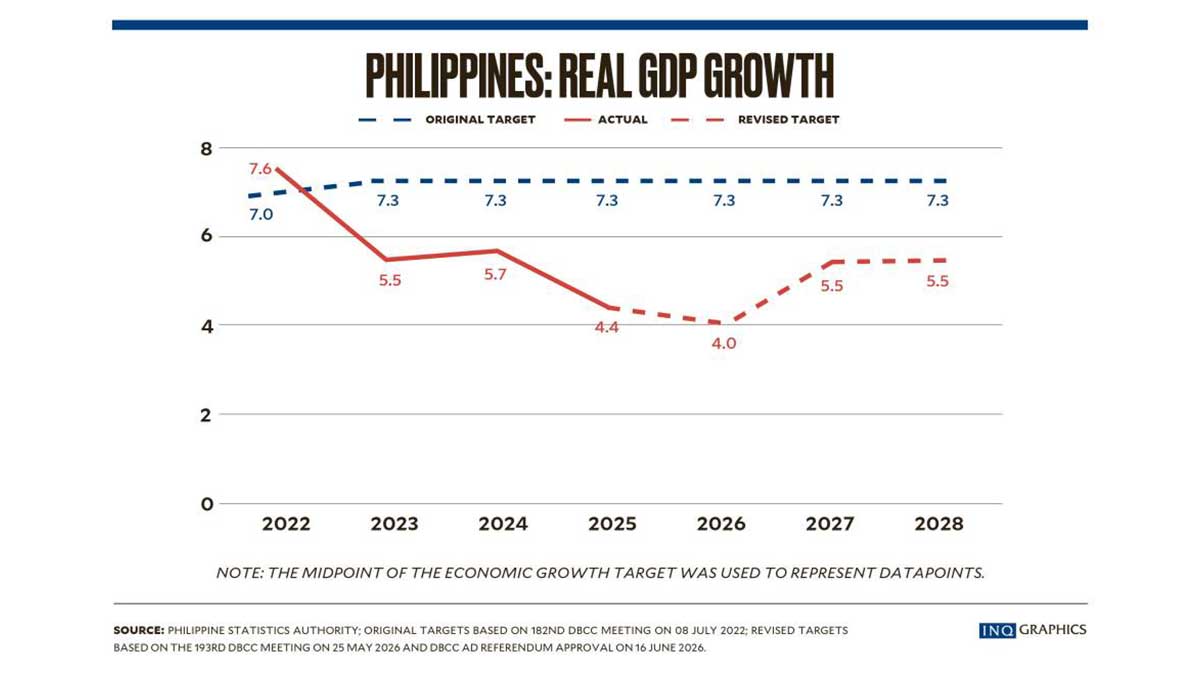
Within days of the Philippines’ elevation by the World Bank to upper-middle-income status, the country entered one of the most politically consequential periods in recent years. The impeachment proceedings against Vice President Sara Duterte formally commenced, while plunder allegations against Senator Rodante Marcoleta added to public scrutiny of political accountability. At roughly the same time, business confidence softened amid growing uncertainty over both domestic and global developments.
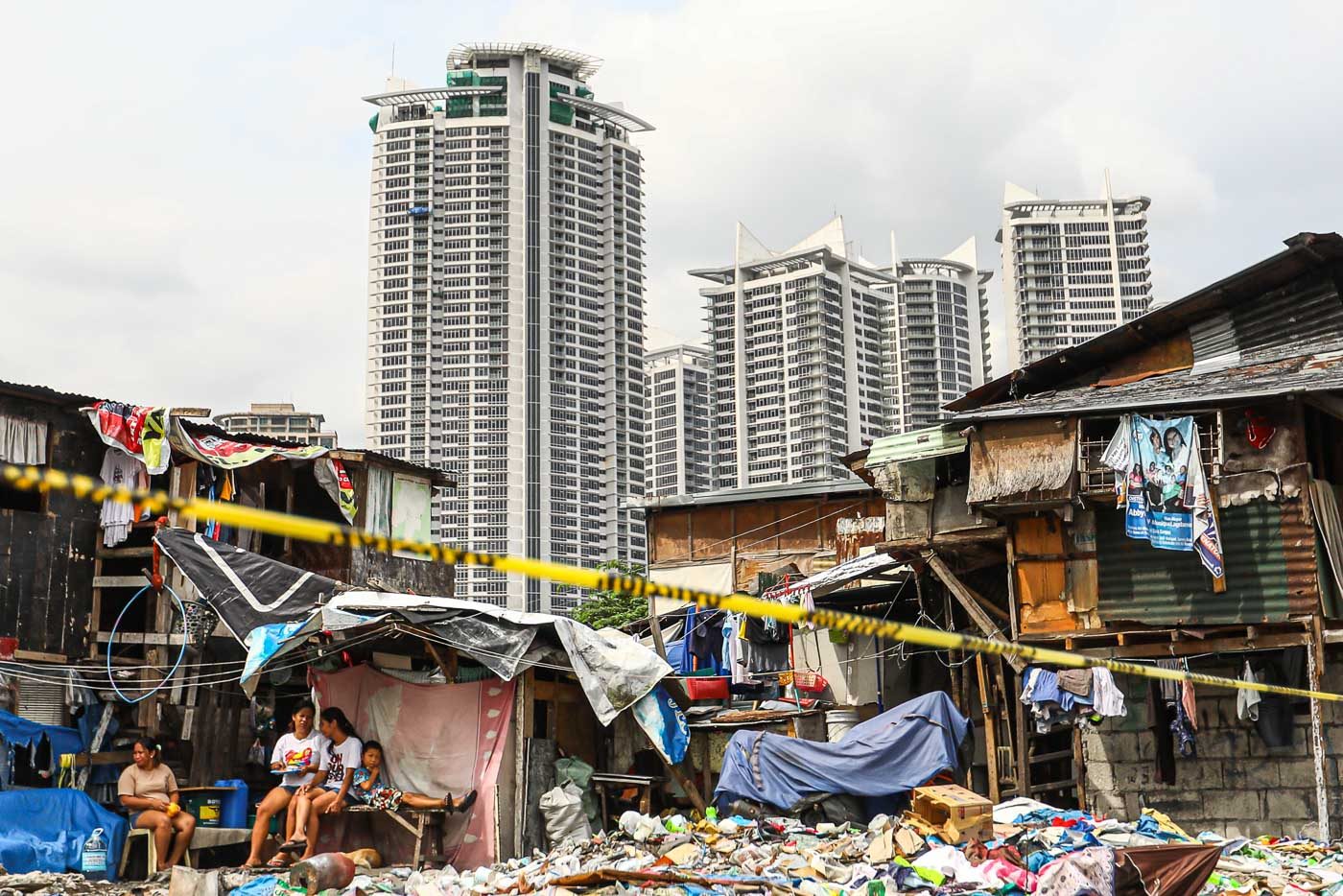
The timing is striking. Just as the international community recognized the country’s economic progress, Filipinos were reminded that whether the country remains an upper-middle-income economy will depend less on its income statistics than on the strength of its institutions.
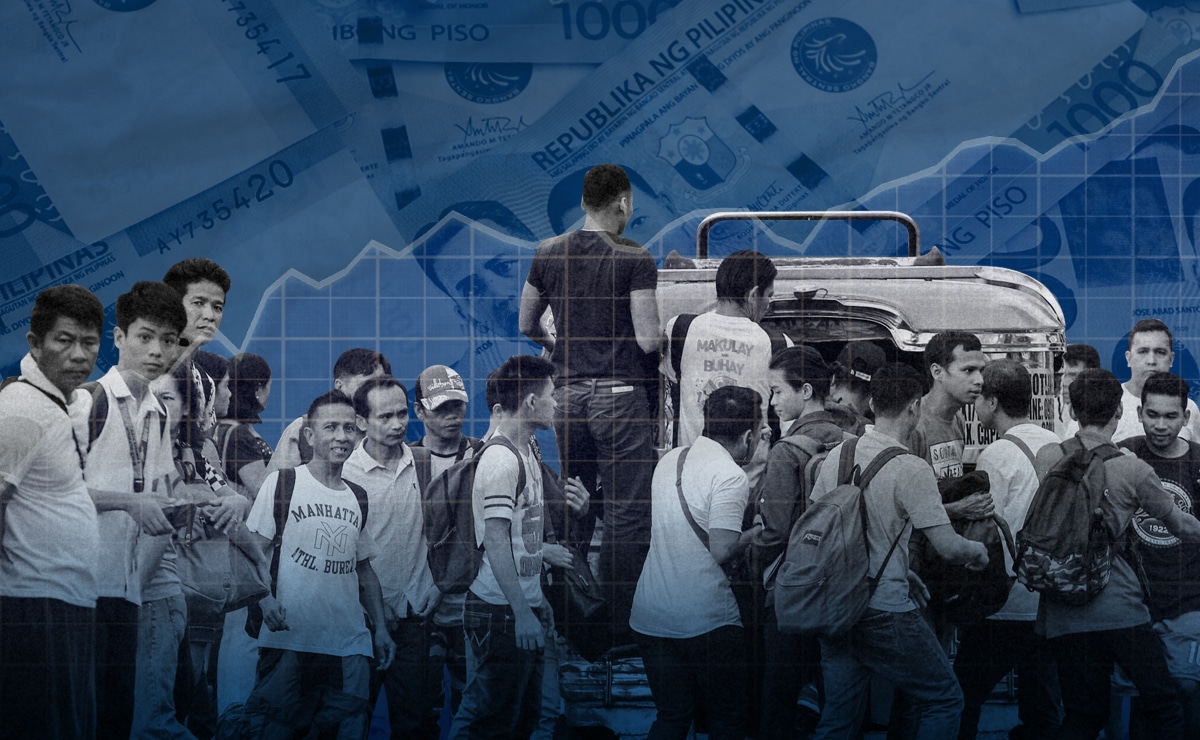
Effective July 1, the World Bank reclassified the Philippines from a lower-middle-income economy to an upper-middle-income economy after nearly four decades. The decision reflects sustained growth in the country’s Gross National Income (GNI) per capita, measured using the World Bank’s Atlas methodology, under which nominal national income has expanded significantly faster than population growth in recent years.
The milestone represents years of relatively sound macroeconomic management, economic expansion, and structural reforms. It also serves as an external affirmation of the economy’s resilience despite the pandemic, recurring natural disasters, and repeated episodes of self-inflicted political uncertainty.