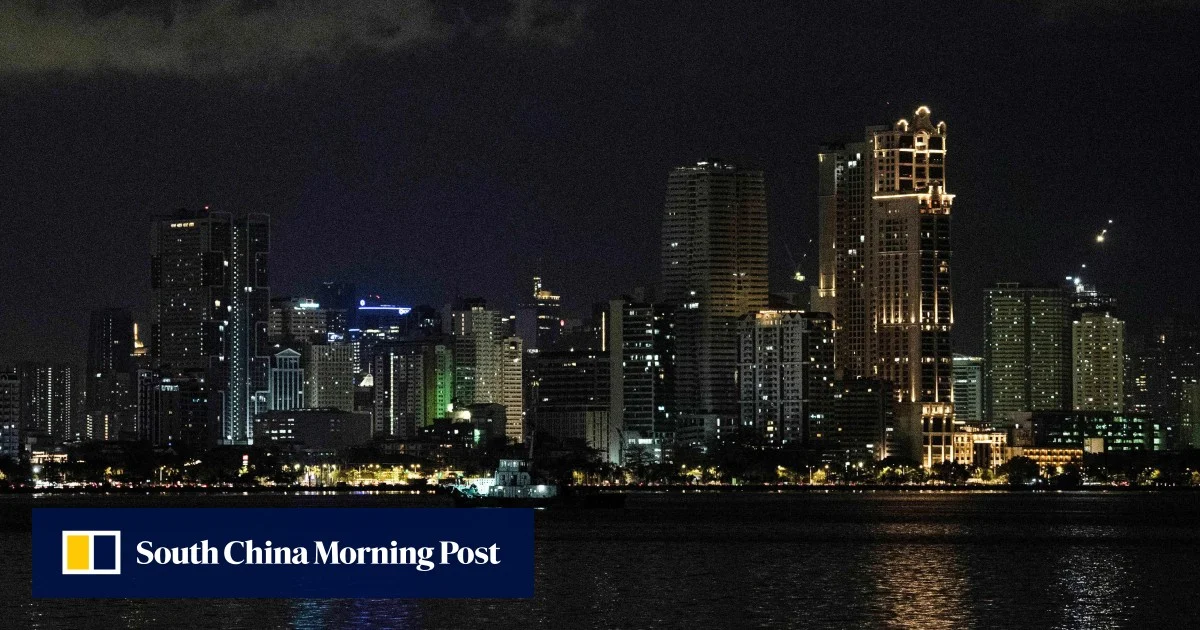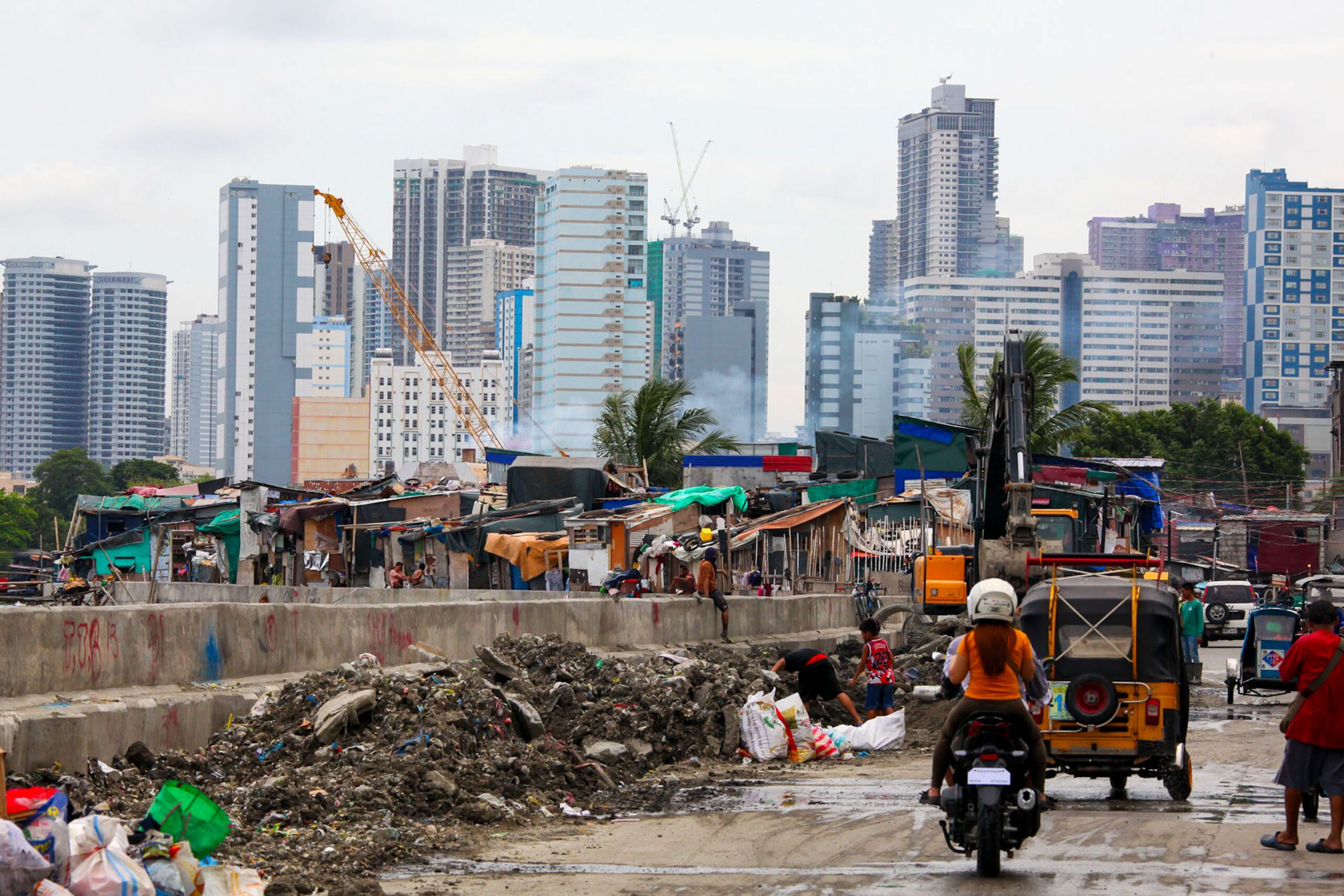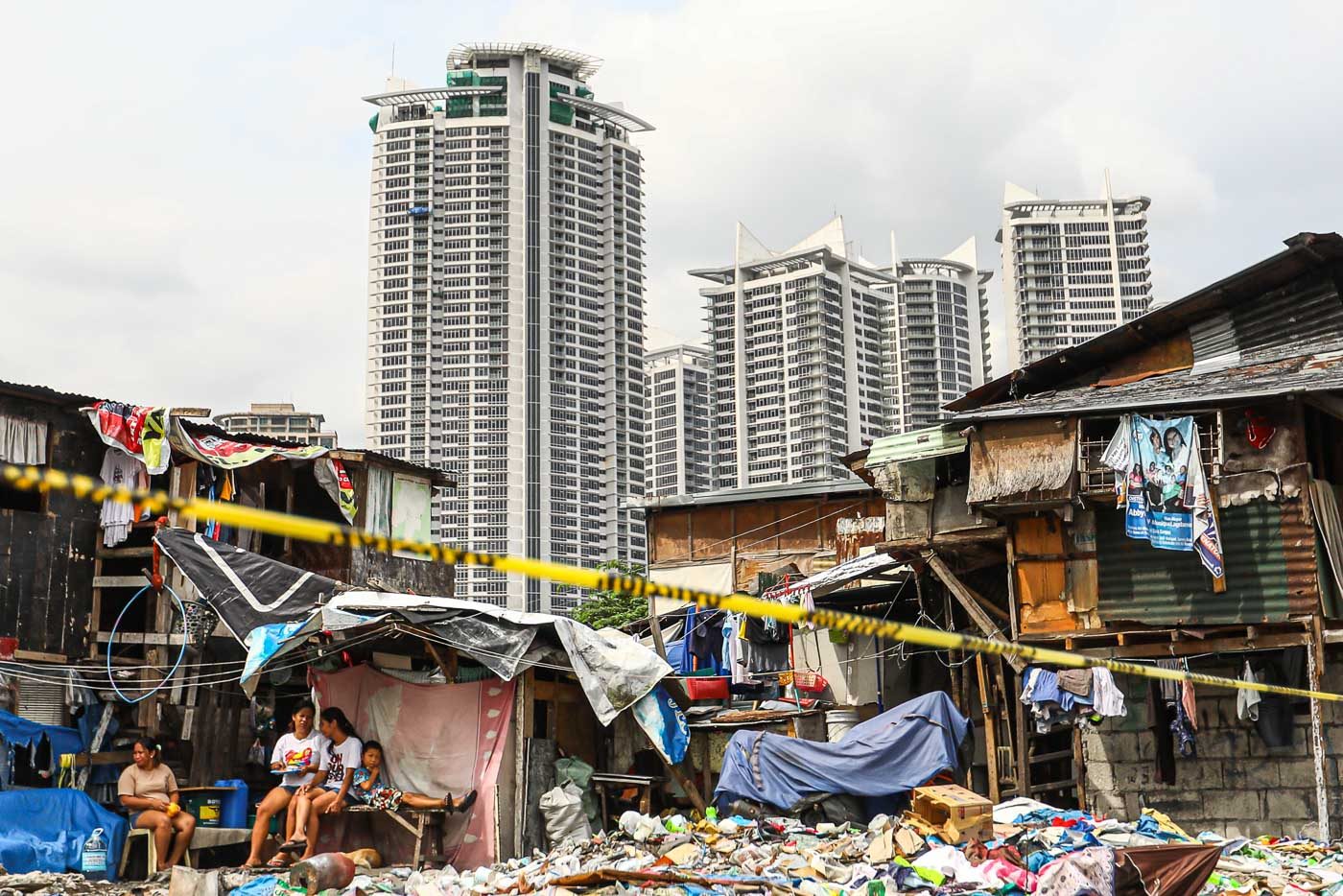
MANILA, Philippines – The Philippines is now officially an upper-middle-income country, a milestone decades in the making, but one that sits uneasily alongside the uneven development and daily insecurity still experienced by millions of Filipinos.
After nearly four decades as a lower-middle-income economy, the country finally crossed the World Bank’s (WB) income threshold, with gross national income or GNI per capita reaching $4,850, above the $4,636 cutoff for upper-middle-income economies.
But for millions of Filipinos, the new classification feels like a label that doesn’t necessarily reflect their economic reality, a gap even the country’s chief economist acknowledges.
“Upper-middle-income status is not our destination. It marks another stage in our development journey,” Department of Economy, Planning, and Development (DEPDev) Arsenio Balisacan said during a press chat on Monday, July 6.
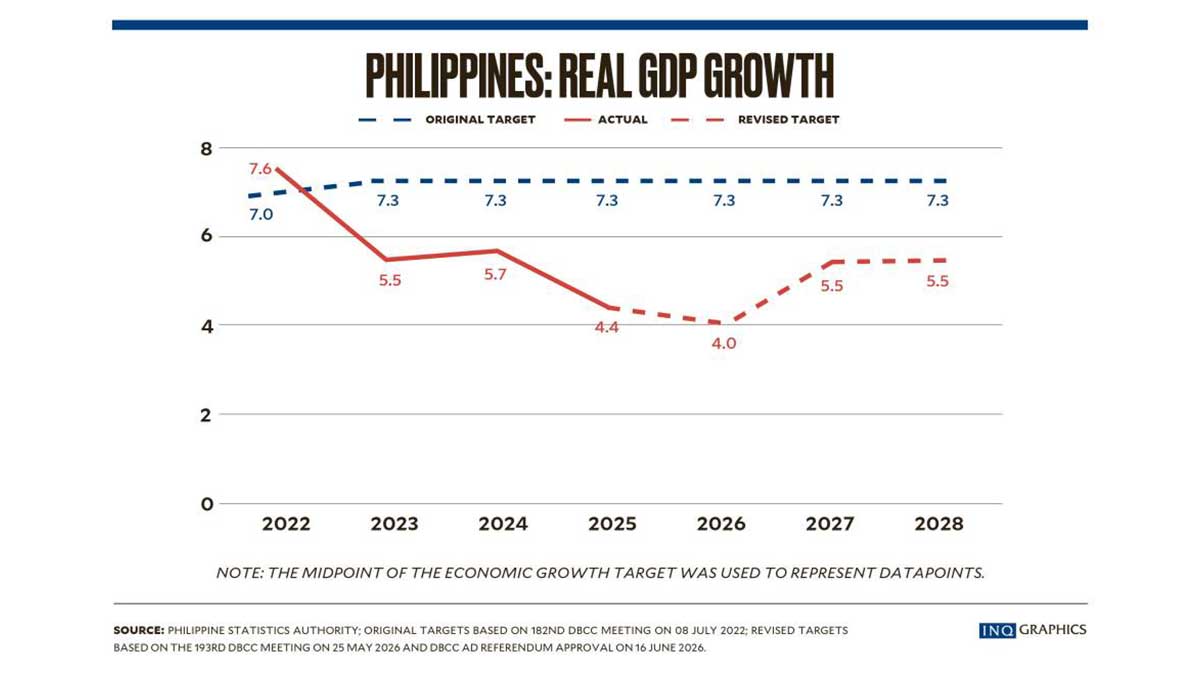
“Development is not measured by average income alone. It’s measured by whether growth creates quality jobs, increases productivity, expands opportunities, reduces poverty, and improves the quality of life of our people.”