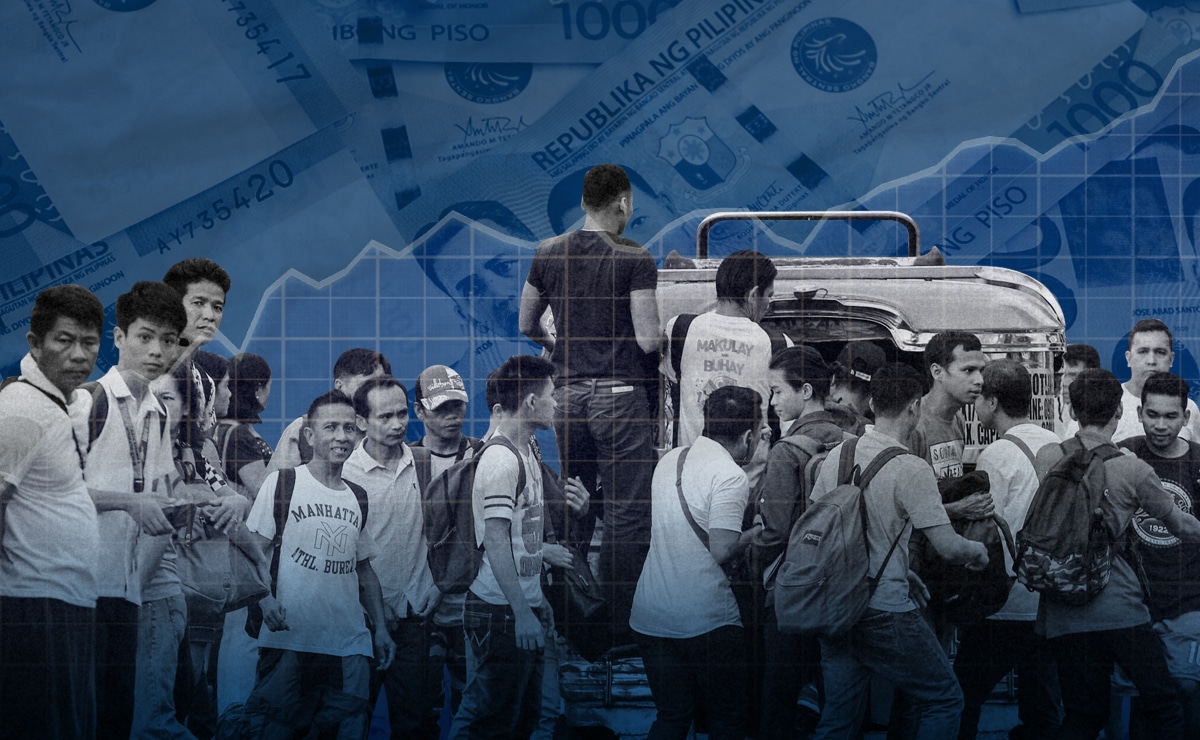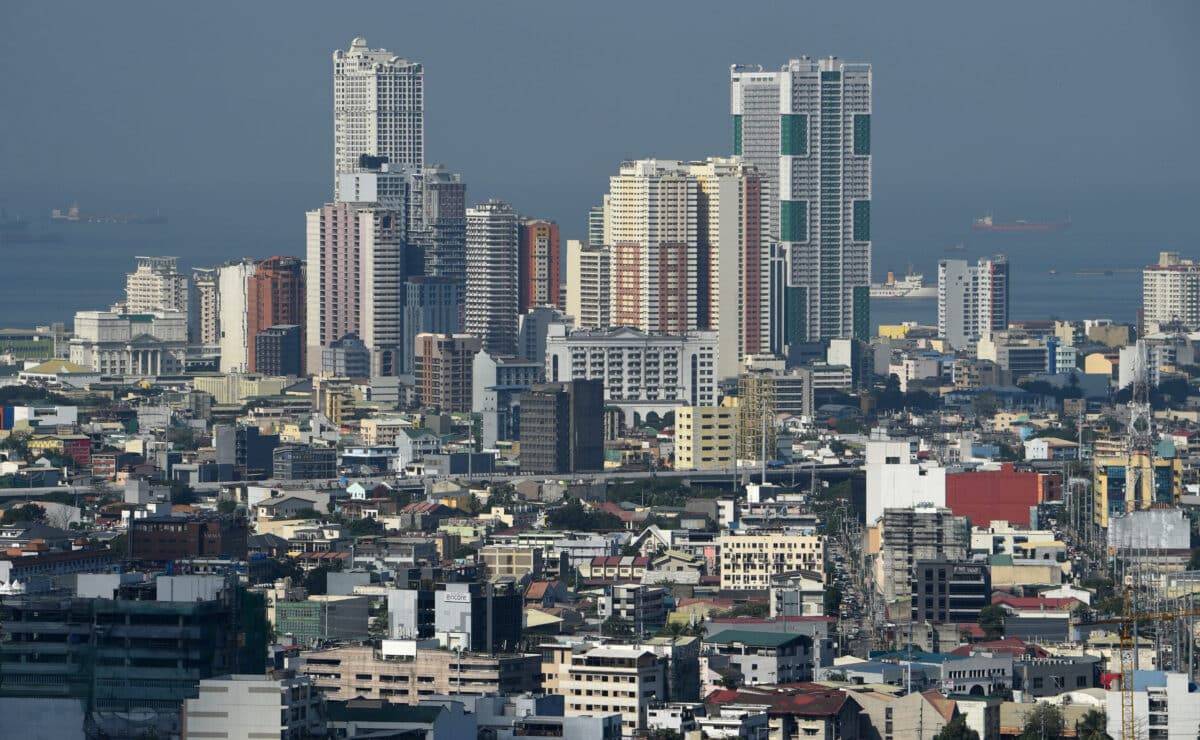
You may have seen the headlines: on July 1, the World Bank announced that the Philippines is now officially an upper-middle income country (UMIC). This came after the Philippines got stuck in the lower middle income club since 1987, or nearly four decades.
I noted before in this column that the government has been promising this milestone since at least 2017, during the time of former president Rodrigo Duterte. Now that it finally arrived, the government wasted no time basking in it.
The Department of Economy, Planning, and Development (DEPDev) called it a “historic economic milestone,” crediting sustained growth and long-term reforms. President Ferdinand Marcos Jr., speaking from an official visit in Canada, called it a “vote of confidence in our country’s future” that will attract more investments, adding it was “worth celebrating.”
Some celebration is in order. But as with all economic statistics, we need to be clear about what this new label means, and what it does not.
First, the basics. Every July, the World Bank sorts economies into four income groups based on their gross national income (GNI) per capita, converted to US dollars using a three-year average of exchange rates. In 2025, our GNI per capita reached $4,850, which is above the new upper middle income cutoff of $4,636.