Story audio is generated using AI
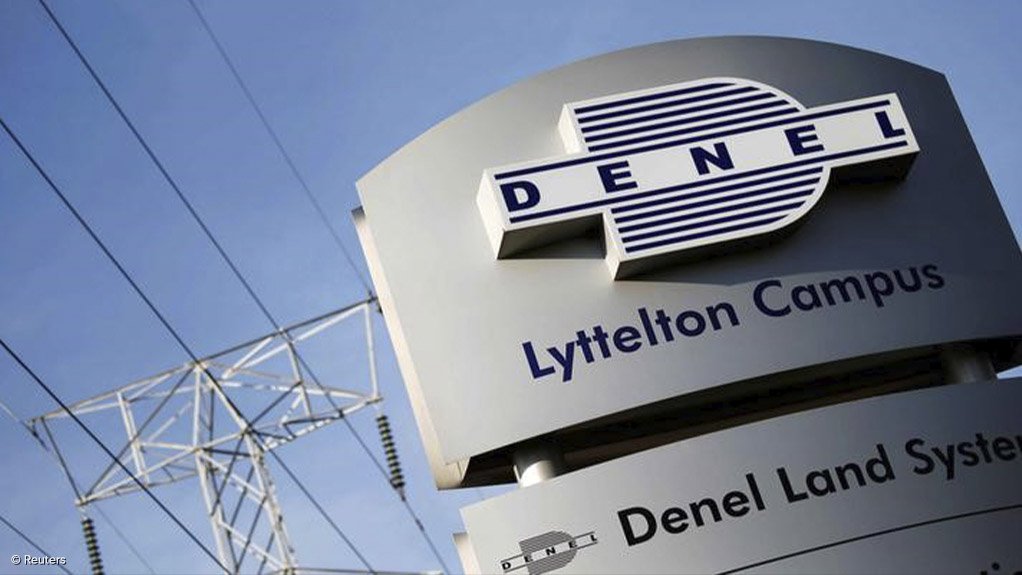
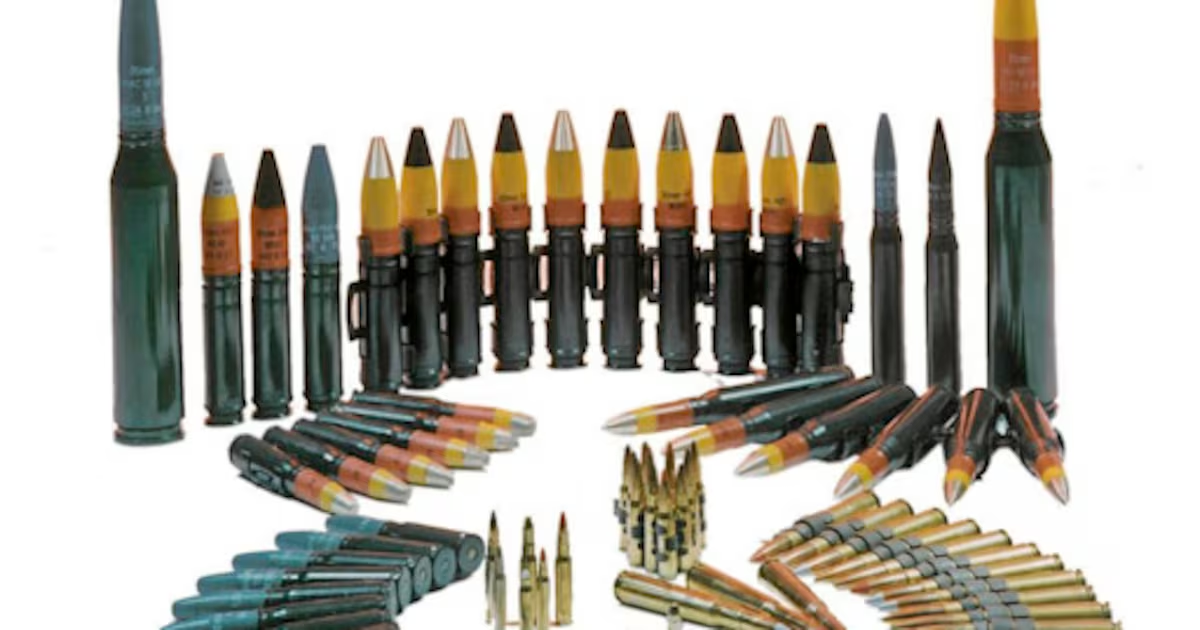
Embattled arms manufacturer Denel is laying the groundwork for private sector players to invest in its equally troubled Pretoria Metal Pressings (PMP) plant, which manufactures ammunition that supports the operational needs of the South African National Defence Force (SANDF) and the South African Police Service (SAPS).Denel PMP, Africa`s largest ammunition manufacturer, traces its roots to 1934. The company has seen better days, including playing a key role in World War 2, where more than 45% of the .303 rounds used by the Allied Forces came from South Africa. However, like its parent company, PMP, which manufactures small- and medium-calibre ammunition, detonics, brass products and power cartridges, has decayed, losing the confidence of domestic and export markets.The state-owned Denel on Friday issued an expression of interest to test investor appetite, asking “suitably qualified strategic partners and investors” to submit their expressions of interest for partnership opportunities aimed at “modernising the manufacturing capabilities for the PMP brass foundry”.Denel, in the document, said it is exploring partnerships for technology upgrades and automation opportunities and for the brass foundry to reliably supply products to the PMP ammunition factory and meet other country requirements. The expression of interest lists the following key areas in which investors can contribute to the partnership:• Mobilising capital for infrastructure renewal;• Access to modern technology and operational expertise; • Manufacturing capability enhancement and automation; • Skills transfer and sustainable capability development; and • Improved productivity, efficiency and cost competitiveness. Denel also seeks “appropriate risk-sharing models while preserving the company’s strategic mandate and control as a state-owned enterprise”.Denel’s move comes just two months after media reports identified US defence firm Omusha as having shown interest in investing in PMP, having submitted a proposal as early as five years ago.Omusha has insisted that its proposal is not privatisation but “stewardship”. Some of the challenges facing PMP include a severe combination of operational shortcomings, financial insolvency and structural dysfunction. The business is also facing acute skills shortages.Kobus Marais, an independent defence analyst, said PMP is more than just another Denel division, stating that the plant preserves industrial capabilities that cannot easily be recreated once lost.He said a disciplined partnership model could introduce capital, management expertise, technical support, export access and working-capital stability.Read: Denel’s capacity woes force Armscor to front exportsMarais was party to the advisory work relating to the approved recovery plan of PMP. He outlined guardrails that can be put in place to ensure private sector participation does not weaken the sovereignty of the state.“Whether structured as an operating lease, joint venture, public-private partnership or another protected commercial arrangement is ultimately less important than the governance principles underpinning it,” Marais said.“Those principles must be non-negotiable. South Africa’s sovereign interests must remain protected. New and updated intellectual property must remain under appropriate national control. Strategic supply to the SANDF and SAPS must receive priority attention.”State-owned arms procurement agency Armscor has taken the lead in exploiting “several substantial export opportunities” as Denel struggles to burnish its reputation in international markets after years of underperformance.Armscor’s primary clients are South Africa’s department of defence, SAPS and the Border Management Authority. Denel was spun off from Armscor in the early 1990s as a state-owned aerospace and military technology and arms manufacturing company under the department of public enterprises.Business Day