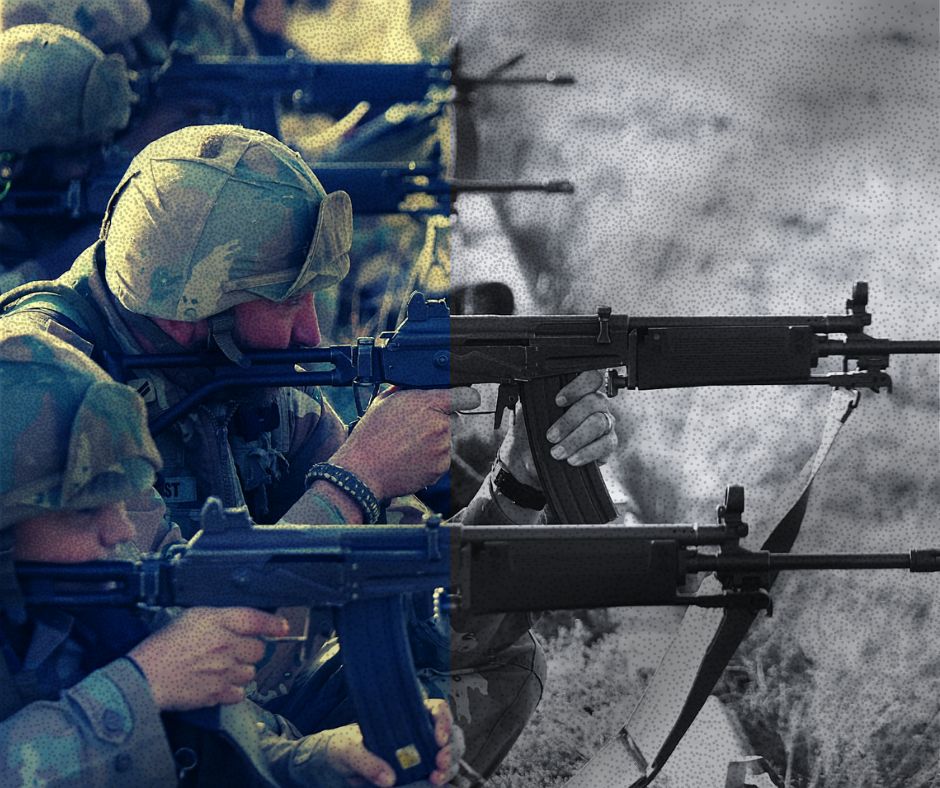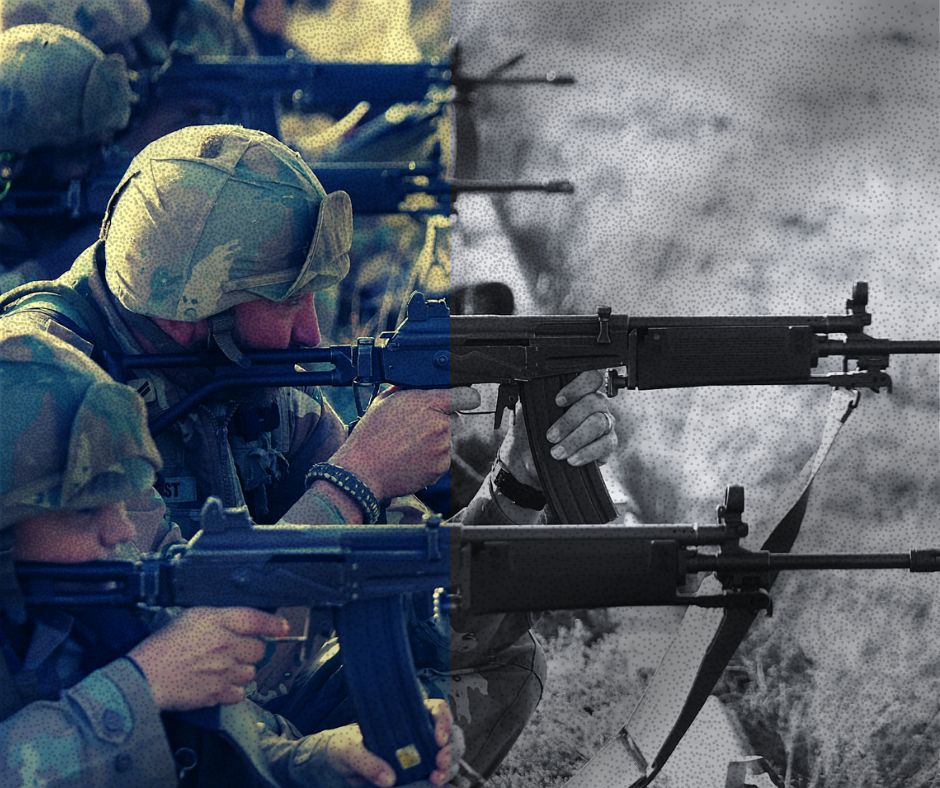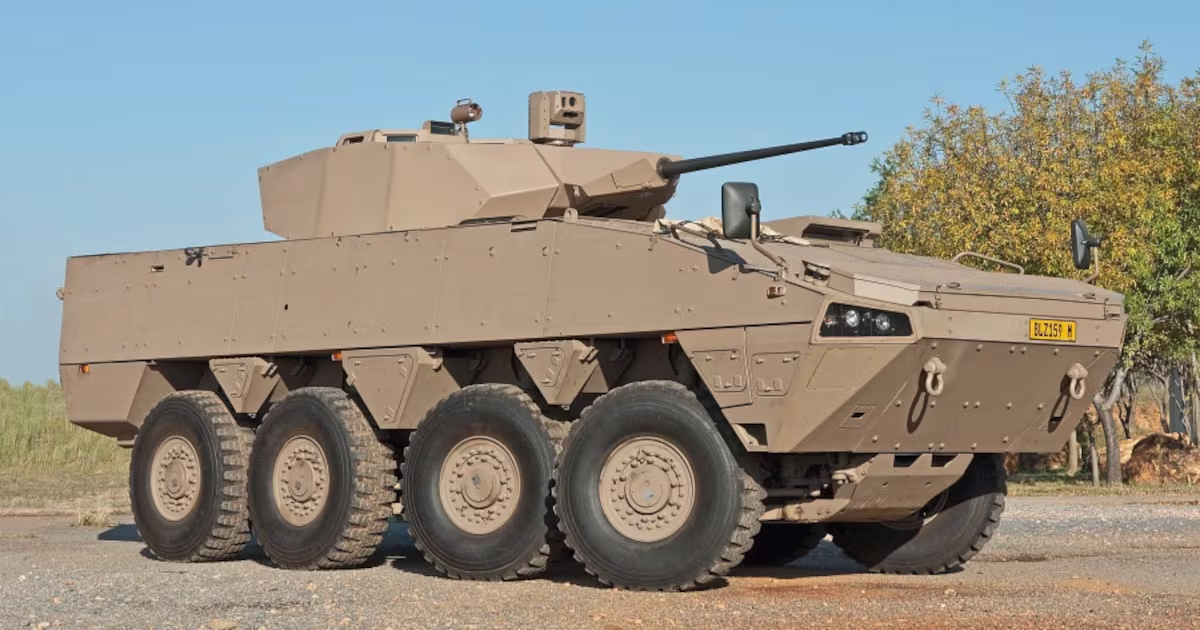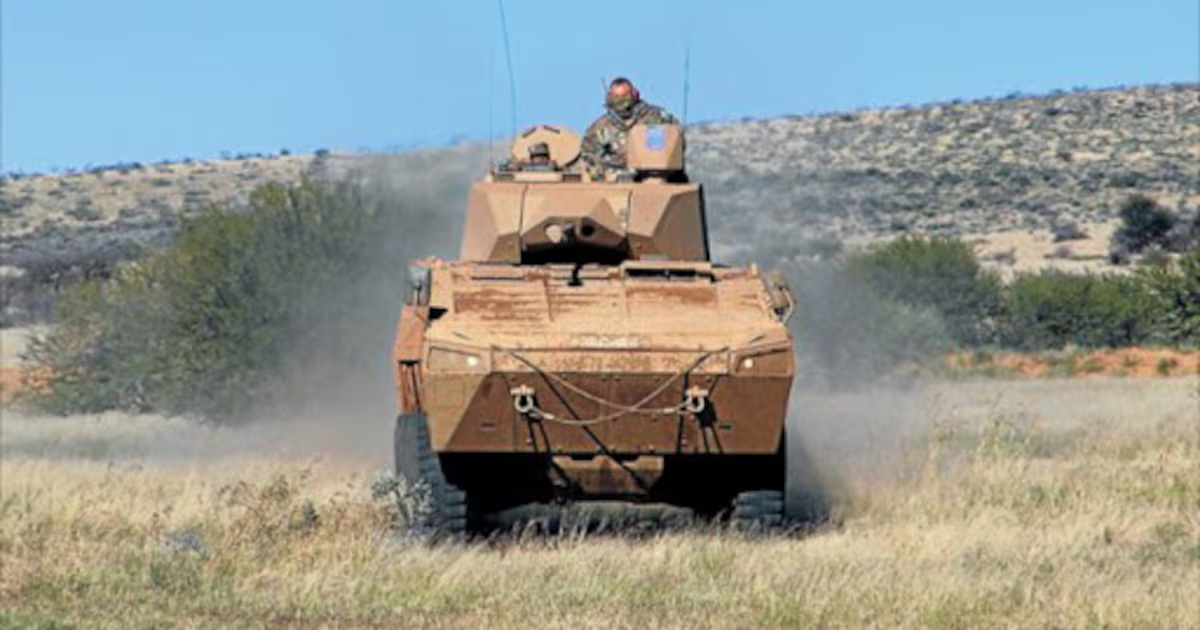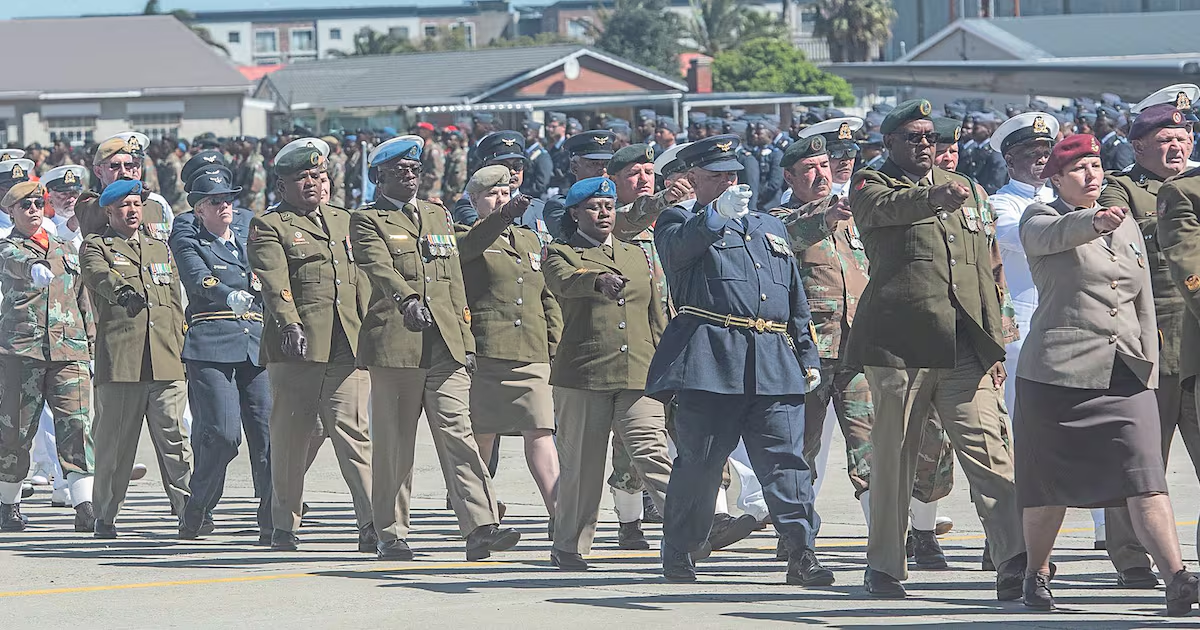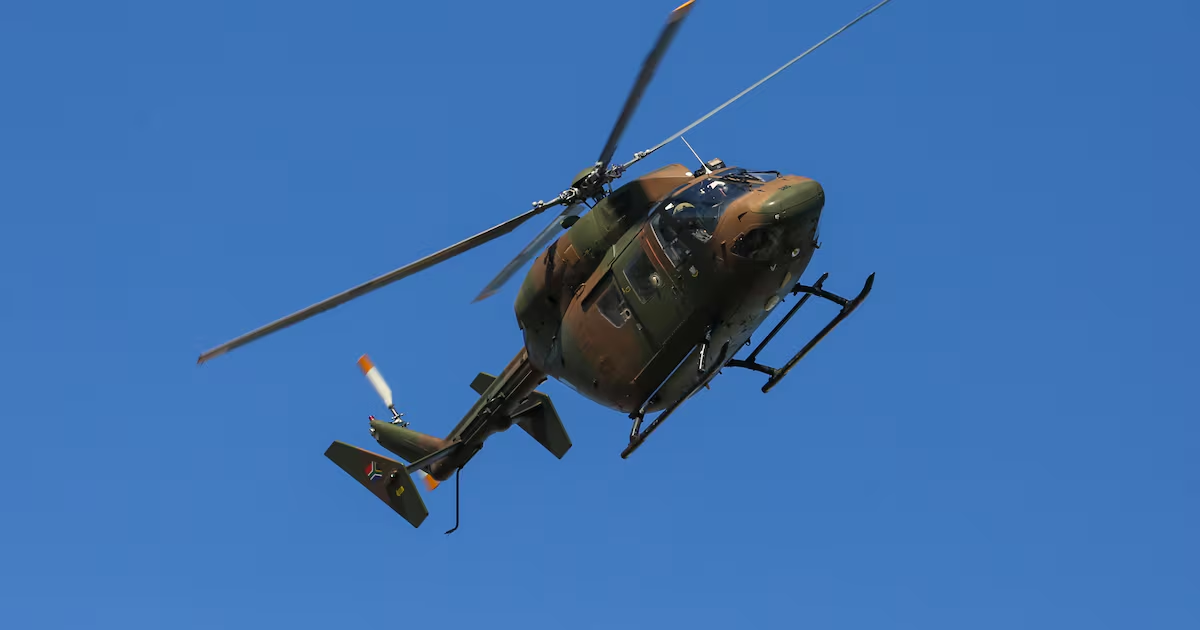
The department of defence has been hosting a defence industry lekgotla in Pretoria this week to chart a way forward for an industry that is on a steep, slippery slope to demise. The defence industry peaked in the late 1980s and early 1990s, employing about 130,000 people directly and indirectly and having helped change what had been a mainly mining and farming economy to a modern manufacturing economy by introducing new technologies and processes that spread to other sectors. As late as 2017, despite severe defence funding cuts since 1990, the industry employed about 25,000 and had a turnover of R19bn, of which R11bn comprised hard currency revenues from exports (R28.5bn and R16.5bn in 2026 rand).Now the industry is much depleted. Continued underfunding of defence, lack of government support, erratic implementation of export controls, problems at Denel and failures at Armscor have crippled much of the industry. Companies have closed, engineers have left the sector, many have emigrated across the globe, and key capabilities are on the verge of being lost. SANDF underfunding (Karen Moolman) It is not too late to stop the implosion and to begin rebuilding, but there is very little time left, and the government will have to make some decisions. Should we bother? The answer in strategic and economic terms is yes.Strategically, a defence industry is a key element of defence capability. It provides a degree of strategic independence; it can provide sovereign control of secure communications, command and control, electronic warfare and guidance systems; and it can provide equipment optimised for the needs of the South African National Defence Force (SANDF). It can also serve as a diplomatic tool, enabling support for friendly countries.Economically, a defence industry will reduce hard currency outflows, can earn hard currency revenues, provide skilled employment in a range of current and emerging technologies that spread to other sectors, and generate economic multipliers. Prof Gunnar Eliasson of the department of industrial economics at the Royal Institute of Technology found in 2010 that the 132-billion Swedish kronor Gripen project had brought returns of almost 320-billion kronor for Sweden by 2007, for a multiplier of 2.6. He argued “long-run effects” would take that to 3.38. Studies in Europe, Australia, Canada and New Zealand have produced similar results. A 2014 PWC study of the Rooivalk project in South Africa found similar effects, and the project resulted in exports of subsystems worth about R18bn by 2017 (R27bn in 2026 rand) and defence industrial participation work of about R10bn that would otherwise have had to be handled by foreign companies. How can we prevent the demise of the defence industry? There are several critical steps:Give the SANDF ring-fenced funds to acquire equipment from the South African industry. That will give companies throughput and revenue, keep engineers engaged, and assure foreign buyers the equipment will be supported.Provide research & development (R&D) funding and allow development of new equipment and systems, for instance drones and counterdrone systems. That will further engage engineers and draw notice among foreign forces. Encourage joint ventures with companies elsewhere and equity partnerships. That will further assure foreign forces of support, open new markets and bring new concepts and technologies.Draw in retired scientists, engineers, technicians and artisans to mentor new people in the industry, adding decades of experience to the ideas and enthusiasm of newcomers. Make it possible for companies to recruit the best, regardless of race and gender.Ensure arms control policy is rational and efficiently implemented.Provide full government support to the industry, particularly export support, and ensure efficient export permit management.The SANDF and the government must also be ruthlessly pragmatic and practical when considering whether to buy equipment, manufacture under licence, or invest in development. That “buy, manufacture, develop” decision is critical and must be based on what is optimal for ensuring defence capability, strategic independence and sovereign control where relevant.South Africa should:Develop and manufacture if that is critical for sovereign control, for instance the software for secure communications and similar systems, where optimised equipment will give a real tactical or operational advantage, or where there is potential for major job creation, technology and skills base expansion or export.Manufacture under licence where sovereign control is not essential but where the ability to manufacture is critical for strategic independence, for instance ammunition, special batteries and critical spares, or where there is potential for job creation, technology and skills base expansion or export.Buy if it is not possible or practical to develop or manufacture, for instance if the investment would not be practicable or if the production runs would not justify manufacture. Here the focus should be on establishing maintenance, repair and overhaul capability. This will not be a cheap exercise, but the cost of not turning the industry around will later be paid in hard currency outflows and dependence on foreign powers in times of crisis. While perhaps an extreme example, the situation of Ukraine should be kept in mind.It is worth noting the 1993 World Bank study of “The Economic Impact of Military Expenditures”, which found that “generally, military spending (typically about 4% of GDP) is not associated with lower rates of economic growth, of capital formation or of government spending on health, education and infrastructure, or with higher rates of inflation”.• Heitman is an independent security and defence analyst.
HELMOED RÖMER HEITMAN | South Africa cannot afford to lose its defence industry
Once a big economic and strategic asset, the sector is in decline due to government underfunding, lack of support, and mismanagement, leading to company closures and loss of key skills
877 words~4 min read